
Tito Says Sumatra Recovery Will Continue Despite Ongoing Disaster Risks
The government is accelerating its response to renewed floods and landslides in Aceh, North Sumatra and West Sumatra. Repairs to damaged roads and bridges are being prioritised to restore public access quickly and ensure rehabilitation and reconstruction work can continue.
Muhammad Tito Karnavian, head of the Task Force for the Acceleration of Post-Disaster Rehabilitation and Reconstruction (Satgas PRR) in Sumatra, said heavy rainfall had again affected infrastructure that had already been repaired. The situation requires a rapid response and sustained work by ministries, government agencies and local administrations.
“Bridges that had been built have been swept away again by flash floods. In Aceh, the road between Central Aceh and Bireuen, which had become passable, has been hit by landslides again. The Public Works Ministry must work even harder. That is the challenge we face, but we are continuing,” Tito said in a written statement on Tuesday (27 October 2026).
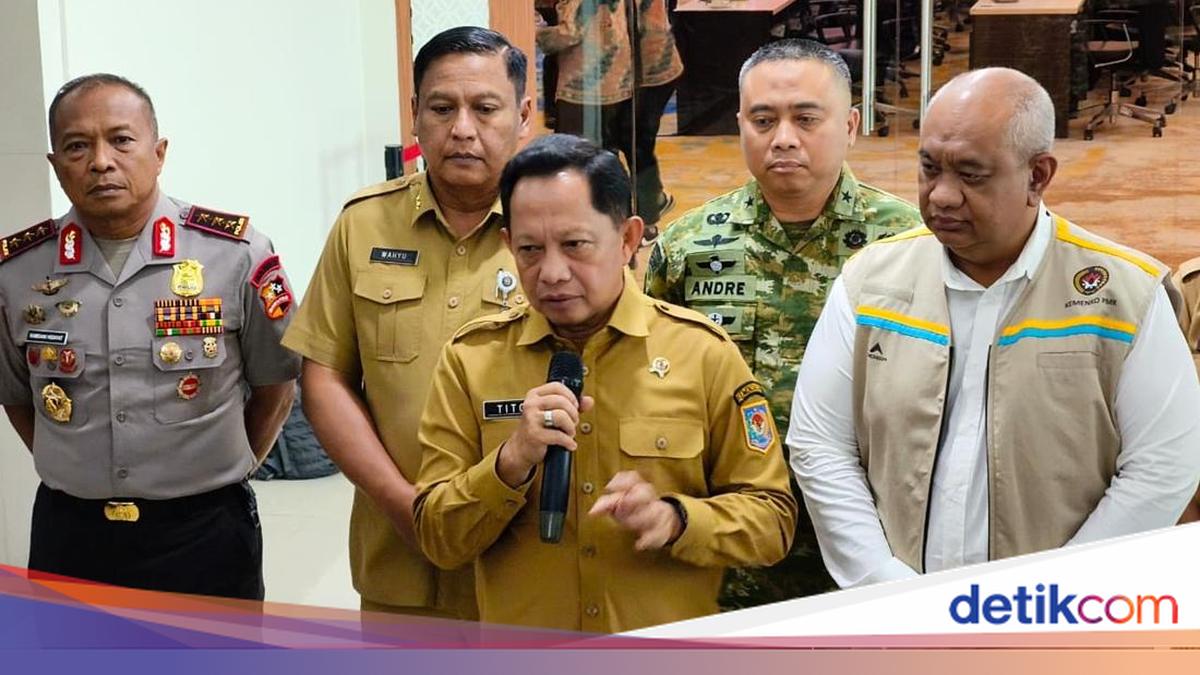
He made the remarks after a coordination meeting in Jakarta on accelerating post-disaster rehabilitation and reconstruction in Sumatra.
In Aceh, renewed flooding has hit Southeast Aceh, while landslides have again blocked the road linking Central Aceh and Bireuen. The government is continuing to address affected locations to prevent communities from being cut off for an extended period.
In North Sumatra, the response to renewed disasters is focused on several areas, including North Tapanuli, South Tapanuli and Central Tapanuli. In West Sumatra, floods have again struck Solok Regency and Padang city, following earlier response efforts focused on Agam, Padang Pariaman and Tanah Datar.
Tito stressed that recovery in the three provinces was taking place while the risk of further disasters remained. Heavy rainfall can cause new damage in areas that have already been repaired, making continued monitoring, equipment readiness and stronger field coordination essential.
“The disasters in these three provinces of Sumatra are not one-off events that end once they have happened. Very heavy rainfall is triggering further disasters. This is one of the obstacles to our recovery efforts,” Tito said.
Despite these challenges, the government has said all recovery programmes will continue. Tito asked the 29 ministries and government agencies that have received rehabilitation and reconstruction funding to accelerate thousands of activities, ranging from repairing schools and residents’ homes to building roads and bridges.
Projects funded for 2026 are expected to meet their targets before 31 December. Local governments have also been asked to make the best use of their budgets and additional funds already disbursed to address urgent needs and support programmes run by ministries and government agencies.
To prepare for needs arising from repeated damage, Tito asked the Ministry of National Development Planning (Bappenas) to review projects in the recovery master plan. The Ministry of Finance is also expected to prepare further budget support so that work affected again can proceed promptly without disrupting other programmes.
“We hope this coordination will speed up the whole process. Ministries and agencies must take action and encourage local governments to move faster, using their own budgets as well as additional funding. Our hope is, of course, to accelerate recovery, rehabilitation and post-disaster reconstruction in the three provinces of Sumatra,” Tito concluded.