
Tito Chides Regional Leaders over Post-Disaster Spending in Sumatra
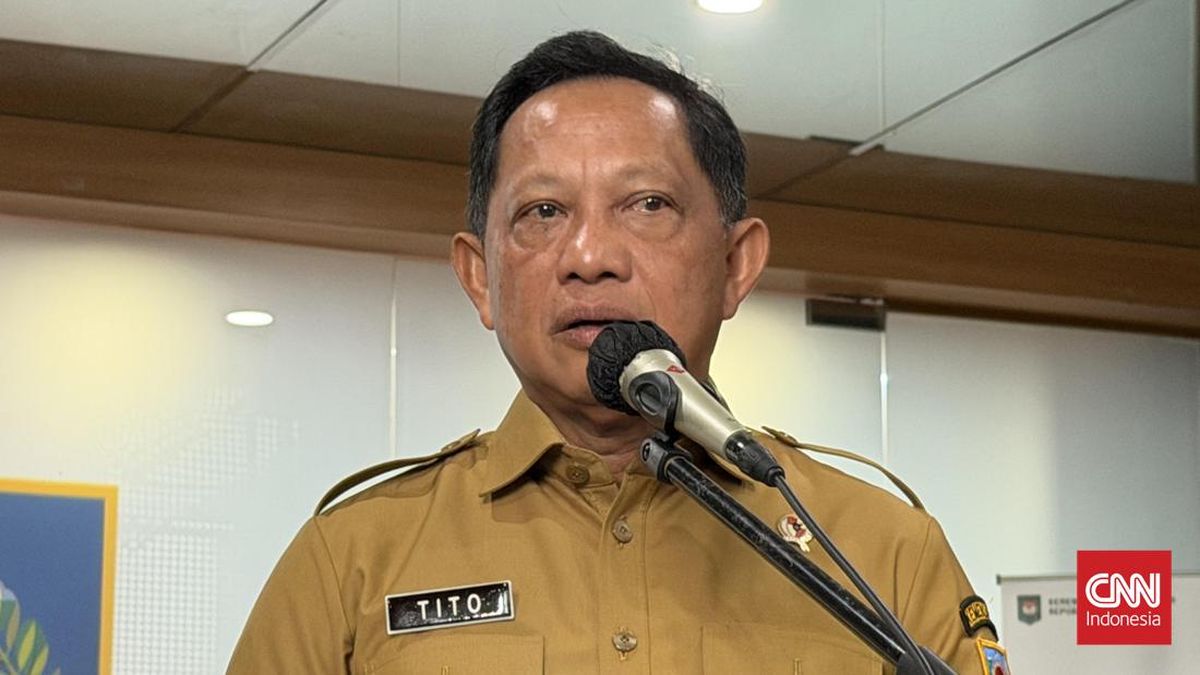
Home Affairs Minister Tito Karnavian has criticised regional leaders over the use of post-disaster funds in Sumatra.
He said President Prabowo Subianto had provided funding to Aceh, North Sumatra and West Sumatra on three occasions: about Rp268 billion initially, a further Rp10.6 trillion in February 2026, and Rp1.9 trillion in August 2026.
Tito said he was concerned that some regional leaders had spent only 10 per cent of the total assistance provided.
“Some have used as much as 60 per cent — thank you for putting the President’s assistance to use — but others are still below 10 per cent, even though it is already October,” Tito told reporters at the Home Affairs Ministry building on Thursday (15 October).
He said regional leaders needed to work with the central government to restore areas affected by the disaster.
“Recovery must be a joint effort; they should not expect the central government to do all the work,” Tito said.
Tito added that many facilities and public infrastructure, particularly healthcare facilities, had been damaged in the disaster in Sumatra last November. He urged local governments, especially in Aceh, North Sumatra and West Sumatra, to make proper use of central government funding.
“Dozens of regional public hospitals, hundreds of community health centres and hundreds of village-level auxiliary health centres, as well as sub-district health centres, were affected,” he said.
Health Minister Budi Gunadi Sadikin said the post-disaster recovery effort in Sumatra was also focused on healthcare facilities and infrastructure.
“Our target, after seeing how many health facilities were affected, was to restore them. Nine hospitals had completely stopped operating because of the severe flooding and high levels of mud,” Budi said.
He said restoring hospitals was vital because they must continue providing services during disasters and emergencies.
“Services such as surgery, childbirth and dialysis cannot wait. We had to rebuild that capacity quickly, and fortunately all the hospitals in the three provinces were operating again within a month,” Budi said.
After restoring the hospitals, Budi said, the ministry also renovated thousands of community health centres affected by the disaster. Thousands of centres had resumed operations within two and a half months.
“Community health centres are needed to triage patients so that everyone does not go to hospital and overcrowd it. Services such as immunisation and health checks can still be provided at these centres,” Budi said.