
Tips to prevent fires in homes and the environment
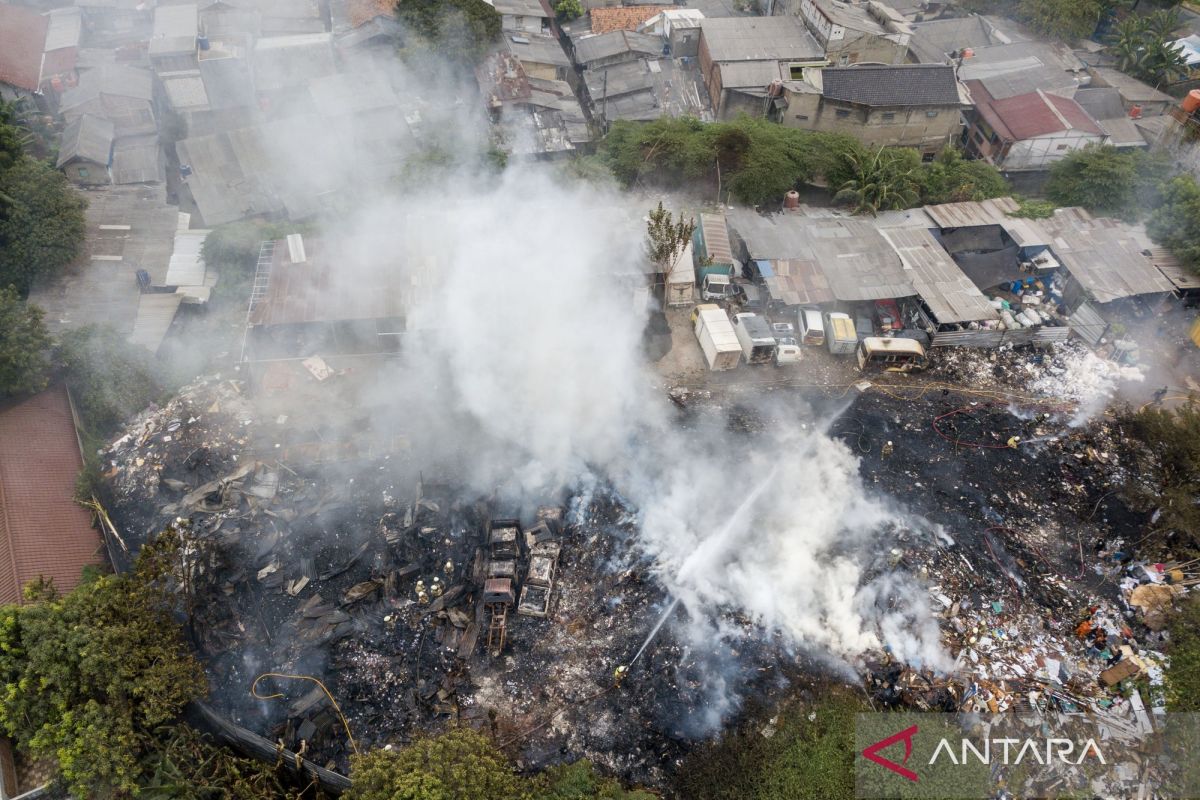
Jakarta (ANTARA) - Hot and dry weather currently affecting several regions in Indonesia has increased vigilance regarding the potential for forest, land, and residential fires. The public needs to enhance preventative measures, particularly in areas experiencing a long dry season.
The Meteorology, Climatology, and Geophysics Agency (BMKG) previously predicted that the peak of the 2026 dry season would occur from July to September. Most regions are also expected to experience a drier and longer dry season compared to normal conditions.
Entering early September, hot and dry conditions persist in several areas. BMKG has noted high-confidence hotspots, particularly in Kalimantan and Sumatra. On 2 September 2026, 463 hotspots were recorded in Kalimantan and 264 in Sumatra.
These conditions necessitate close attention to the potential for forest and land fires. Dry weather causes vegetation and flammable materials to become more desiccated, allowing fire to spread more rapidly in the event of uncontrolled burning.
Do not burn rubbish indiscriminately
One simple step to reduce fire risk is to avoid burning rubbish in open spaces, especially when winds are strong and environmental conditions are very dry. Fire from rubbish burning can easily spread to grass, shrubs, vacant lots, or other flammable materials. If burning is necessary, the public must ensure the fire is completely extinguished and no embers remain. However, during periods of high fire risk, open burning should be avoided altogether.
Ensure fire sources in the home are safe
Fire potential does not only originate from land. Homes also require attention, particularly regarding the use of stoves, electricity, candles, mosquito coils, and other equipment that generates heat or flames. Before leaving the house, ensure the stove is turned off. Unused electrical appliances should also be unplugged to reduce the risk of short circuits. Damaged or frayed electrical cables should be repaired immediately. Additionally, avoid stacking flammable items near heat sources.
Clean areas filled with dry materials
Dry grass, leaves, twigs, and accumulated rubbish around the house can serve as fuel when exposed to fire. The public can clean these materials regularly, especially in yards, vacant lots, or areas bordering vegetation. This step is vital to reduce materials that could accelerate fire spread if a fire occurs.
Those living in forest or dry land areas must also be more cautious when performing activities that could produce flames or sparks. Discarding cigarette butts carelessly, lighting unsupervised campfires, or using equipment that produces sparks near dry materials can increase fire risks. Therefore, activities with fire potential should be conducted with consideration of the weather and surrounding environmental conditions.
Monitor weather information and hotspots
The public can monitor weather information and environmental conditions through official BMKG channels and government disaster information. BMKG stated that dry conditions in early September still require caution, as hotspots and smoke distribution are still being monitored in several regions. Smoke distribution can also expand following the direction of the wind. This information is particularly important for those living near forest and peatland areas or regions with a history of fire.
Report fires immediately
If smoke or fire is detected in forest, land, or residential areas, the public should immediately report it to firefighters, the Regional Disaster Management Agency (BPBD), or local authorities. Early reporting can assist officers in managing the situation before the fire spreads.
Vigilance is increasingly important as BMKG predicts the 2026 El Niño phenomenon could persist until the beginning of the first quarter of 2027. This condition has the potential to make the dry season even drier, increasing the risk of drought as well as forest and land fires. Amidst these conditions, fire prevention is not solely the responsibility of the government and firefighters. The public plays a vital role by avoiding activities that could trigger fire, keeping the environment clean of flammable materials, and reporting signs of fire immediately. With vigilance and early preventative action, the risk of fire due to hot and dry conditions can be suppressed, especially while the dry season continues in several parts of Indonesia.