
Tips to Keep Children Healthy During El Niño, from Drinking Water to Wearing Hats
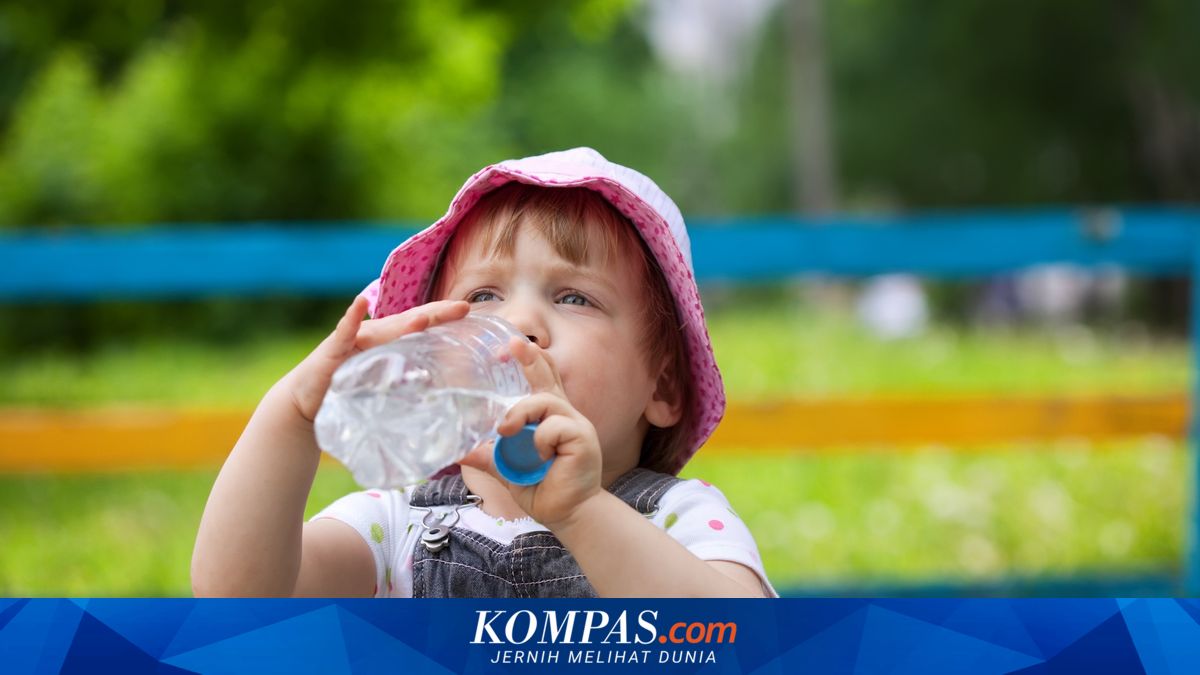
KOMPAS.com - Extreme heat during El Niño makes children more vulnerable to dehydration, heat stroke, and respiratory problems. Therefore, the Indonesian Pediatric Society (IDAI) reminds parents to pay closer attention to their children’s daily activities and fluid needs.
Chairman of IDAI’s Environmental Health and Climate Change Task Force, Dr. Darmawan Budi Setyanto, Sp.A, Subsp.Respi(K), said climate change and high temperatures can affect children’s health more quickly than adults.
‘Children are among the groups at risk because their bodies’ ability to regulate temperature and fluids is not as good as adults,’ Dr. Darmawan said during IDAI’s online webinar on the topic ‘Dampak El Nino pada Kesehatan Anak’ which Kompas.com attended online, Tuesday, 19 May 2026.
He said that protecting children’s health during hot weather can actually start with simple habits at home.
Darmawan said that one of the most important things during hot weather is ensuring children drink enough fluids.
He reminded that many children often forget to drink because they are too absorbed in playing or activities.
‘Parents need to actively remind children to drink regularly, do not wait until they feel thirsty,’ he said.
He noted that a child’s body can lose fluids more quickly as air temperatures rise. If not replenished promptly, this can trigger dehydration.
Chairman of IDAI’s Central Board, Dr. Piprim Basarah Yanuarso, Sp.A, Subsp.Kardio(K), added that early signs of dehydration in children can include dry lips, limpness, reduced urination, and drowsiness.
‘If a child already looks very weak or has difficulty drinking, do not delay getting them checked,’ said Dr. Piprim.
Darmawan said that excessive heat exposure can increase the risk of heat exhaustion up to heat stroke in children.
‘If the weather is indeed very hot, outdoor activities can be reduced for now or moved to morning and late afternoon,’ he said.