
Tips for Running Safely When Air Quality Is Poor
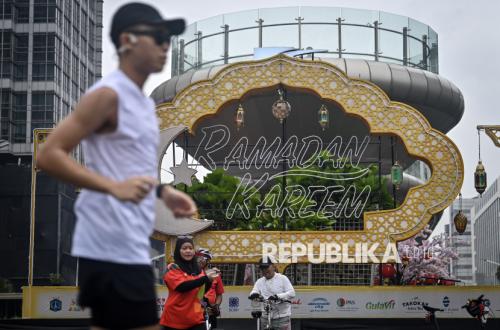
Jakarta’s air quality on Thursday morning (22 October 2026) was classified as unhealthy, with the AQI reaching 160, according to IQAir data. The conditions pose a challenge for urban residents who enjoy exercising outdoors, particularly runners.
A doctor who is also secretary-general of the Indonesian Association of Doctor-led Health Facilities (HIFDI) said unhealthy air quality should be considered before exercising outdoors. Physical activity such as running increases the body’s need for oxygen and the volume of air inhaled.
“When running, the volume of air inhaled can increase more than tenfold. Runners also tend to breathe through their mouths, which limits the nose’s ability to filter the air,” Dr Putro told Republika on Thursday (22 October 2026).
To reduce exposure to pollution, Dr Putro advised runners to shorten and reduce the intensity of their training and take more rest breaks. Brisk walking may also be a better option than jogging when air quality is poor.
“The recommended time to exercise is between 10am and 3pm. But keep monitoring air quality, as it can change throughout the day,” Dr Putro said. The advice coincided with HIFDI’s anniversary, which is marked every 22 October.
Jakarta’s variable air quality is also a concern ahead of the Jakarta Running Festival, scheduled for 24 and 25 October. To complete the race safely, Dr Putro urged runners to check air quality beforehand. He also recommended setting a safe finishing goal and not pushing themselves to beat their time.
At the start of the race, runners are advised to position themselves towards the back and avoid running at a high speed during the first two kilometres. Participants can also make use of health checks at the Expo before the event.
“Runners with a history of asthma or allergies should bring an inhaler for use as needed. They are also advised to avoid parts of the route close to major roads to reduce exposure to vehicle emissions,” Dr Putro said.
Runners should watch for symptoms during the race, including an unusual cough, chest tightness, wheezing, shortness of breath, excessive fatigue, dizziness, nausea or a burning sensation in the throat. Anyone experiencing these symptoms should stop exercising and seek help at a medical post.
More serious symptoms—including radiating chest pain, shortness of breath that does not ease after stopping, blue lips or fingernails, and confusion—require immediate medical attention. “Runners experiencing these signs should stop immediately and seek help at a medical post, rather than pushing themselves to finish the race,” Dr Putro said.
Dr Tirta Mandira Hudhi, a doctor and public figure, also warned runners not to push themselves to achieve a personal best when air quality is poor. In an Instagram post, he urged runners to make sure they were in good health before taking part.
“Make sure you are fit. You should not be experiencing an acute respiratory infection, fever or cough,” Dr Tirta said in the post, quoted on Thursday (22 October 2026).