
Tips for Maintaining a Stable Weight During Ramadan 2026: Expert Advice to Avoid Overeating
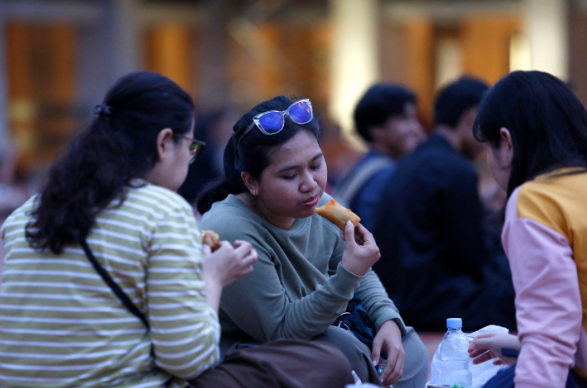
Fasting during Ramadan is often seen as an opportunity to improve health and lose weight. However, many people experience weight gain after a month of fasting. This is often triggered by uncontrolled eating habits and reduced physical activity.
Quoted from Antara, Dr. Andi Kurniawan, a sports medicine specialist and a graduate of the University of Indonesia, shared scientific strategies to maintain a stable weight during the holy month of Ramadan 2026.
According to Dr. Andi, after fasting for 12 to 14 hours, the human body undergoes significant hormonal changes. The level of the ghrelin hormone (which triggers hunger) will increase sharply, while the leptin hormone (which signals fullness) will decrease drastically.
This condition causes people to often experience “eye hunger” and overeat unconsciously when breaking the fast. Research shows that the risk of weight gain increases due to the following factors:
One of the key tips from Dr. Andi is to allow time before consuming the main meal. “Don’t immediately eat heavy food in large portions when breaking the fast. Start with 2-3 dates plus water, then take a 15-20 minute break before eating the main meal,” he explained.
This waiting time is crucial because the satiety signal mechanism from the stomach to the brain takes about 20 minutes to activate. By waiting, you give time for the leptin and cholecystokinin hormones to work, so that when you eat a large meal, you are no longer in a state of “overeating”.
The quality of nutrition is much more important than simply limiting portions. Here are recommendations for the composition of meals during suhoor (pre-dawn meal) and iftar (breaking the fast) to maintain optimal metabolism:
Protein is highly recommended because it has a high Thermic Effect of Food (TEF), where 20-30 percent of its calories are used by the body just to digest it, while also providing a longer feeling of fullness.
By implementing the above steps, you not only gain religious merit, but also maintain a healthy body and stable weight until the day of Eid arrives. (Ant/P-4)
As a simple benchmark, ideal weight loss ranges from 0.5-1 kg per week, or no more than 4 kg during a full month.
About 19 percent of people experience weight gain during Ramadan due to overeating during iftar.
People who exercise more burn extra calories, but they do not lose as much weight as expected based on the number of calories burned.
The carnivore diet is not recommended because it contradicts the basic principles of a balanced diet and is not recommended for the general public.
Each person has a different metabolic response that can be influenced by hormones, eating habits, and health conditions.
The Ministry of Health (Kemenkes) appeals to the public to continue paying attention to the principles of a balanced diet in choosing iftar menus during Ramadan 2026.
The price of this Iftar buffet package is IDR 300,000++ per person and is available from February 20 to March 20, 2026.
Doctor and nutritionist Tan Shot Yen reminds that iftar is not a time for a large meal. Just water and 3 dates are enough to rehydrate the body when breaking the fast. Check out the healthy tips here.
Be careful, feeling full from iftar can risk triggering protein deficiency during fasting. See nutritionist Dr. Rita Ramayulis’ explanation about healthy eating patterns.
Hotel Santika Premiere ICE-BSD City is ready to pamper guests with the best dishes through a promotion entitled “Iftar Mubarak”.
Copyright @ 2026 Media Group - mediaindonesia. All Rights Reserved