
Timing and benefits of exercise for pregnant women
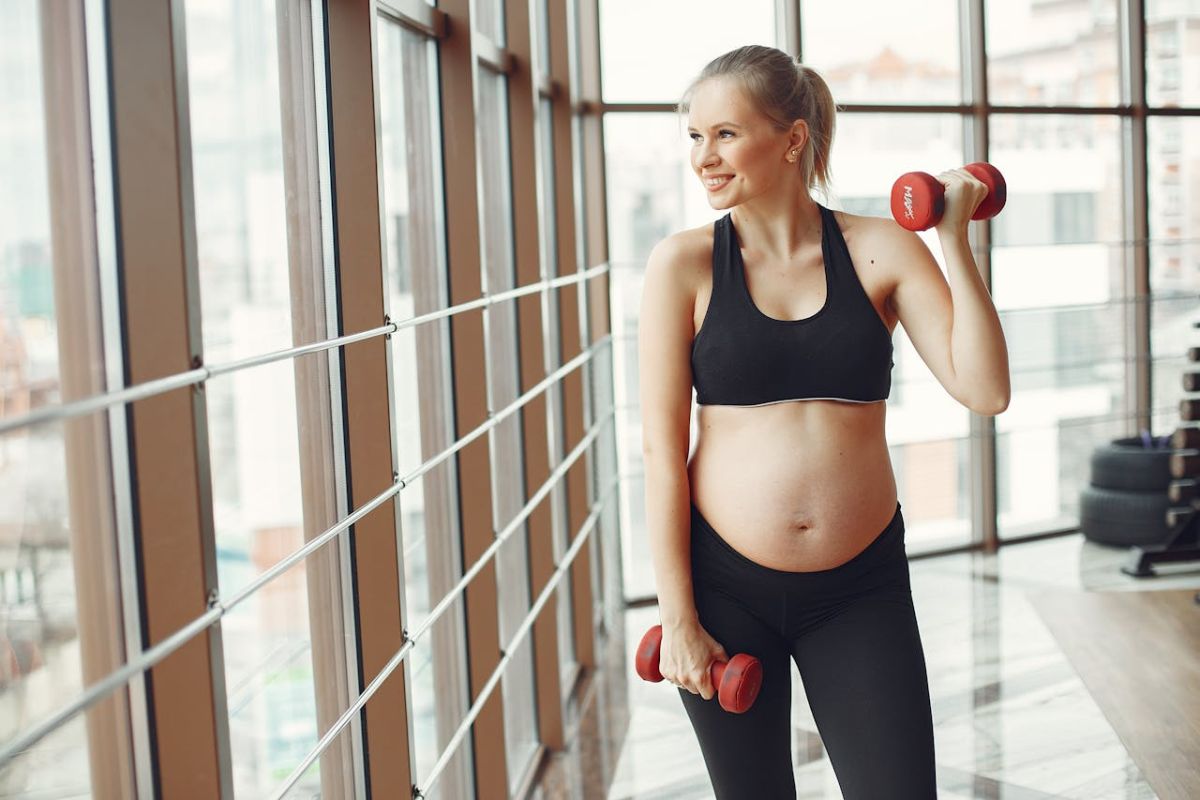
Obstetrics and gynaecology specialist Dr. Natasya Prameswari, Sp.OG, has outlined the recommended timing and benefits of exercising for pregnant women.
"Pregnant women may exercise provided there are no complications identified from a prior obgyn examination," said Dr. Natasya, who practises at the University of Indonesia Hospital (RSUI), during an interview in Depok, West Java, on Monday.
Dr. Natasya noted that there is no specific gestational age that strictly determines when a pregnant woman can begin exercising. However, the second trimester is generally regarded as a more suitable time compared to the first trimester.
"Pregnant women are also permitted to engage in more intense exercise in the third trimester. Activities already performed previously, such as walking more frequently, can indirectly help facilitate the birth canal. But the idea that squatting to mop floors is beneficial is actually a myth," she added.
According to Natasya, pregnant women should ideally continue with exercises they were accustomed to before pregnancy. She gave the example that if a pregnant woman previously did strength training with professional guidance, that activity is still permissible.
"Running is allowed if she frequently ran before pregnancy. Running should also be gradual; we need to observe the body’s adaptation to an increased heart rate and body heat," she added.
Natasya said pregnant women are advised to exercise for at least 150 minutes per week. The effects of exercise are beneficial for pregnant women, with research suggesting it can lower blood pressure, reduce the risk of preeclampsia and gestational diabetes, and prevent excessive weight gain.
"Some studies also show that pregnant women who are more active and exercise regularly find it easier to have a normal delivery," she stated.
Furthermore, Natasya stressed the importance of maintaining a balance between nutritional intake and physical activity during pregnancy. Pregnant women must pay attention to nutrition, increasing protein intake without simply doubling calorie consumption. Therefore, nutritional intake must be tailored to the body’s needs during pregnancy.
"Often, pregnant women increase calories with only carbohydrates and fats, while protein and micronutrients are overlooked," she said.