
Time to Manage Waste at the Source
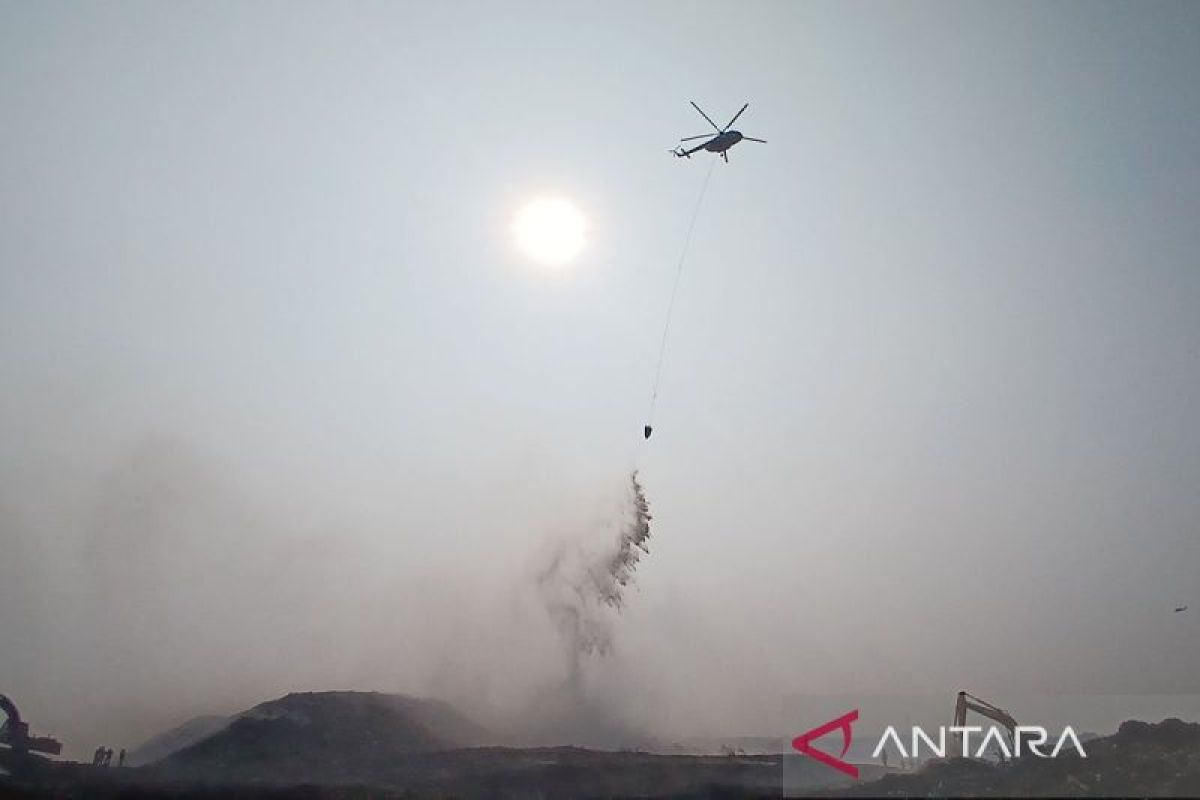
The fire at the Jatiwaringin Final Processing Site (TPA) in Tangerang Regency, Banten, was only extinguished 10 days after it first escalated at the end of June. Approximately 15 of the total 33 hectares of the landfill were scorched, and the smoke caused 154 residents to suffer from acute respiratory infections (ISPA). The fire was triggered by an accumulation of methane gas from years of piled-up organic waste that was never processed, similar to previous incidents at the Sarimukti TPA in West Bandung and the Rawa Kucing TPA in Tangerang.
One day after the Jatiwaringin fire, the Ministry of Environment (KLH) issued a circular regarding preparedness for potential landfill fires during the dry season. KLH data reveals the scale of the problem is far wider than a single incident in Tangerang. Of the 485 operational landfills in Indonesia, 369 of them, or 76 percent, still employ open dumping practices without any waste treatment.
This is despite Law Number 18 of 2008 on Waste Management, which gave all landfills a five-year deadline to cease such practices. The question remains as to why the obligation, which should have been fulfilled by 2013, has still not been met. The root of the problem is not solely technological but lies in the status of waste management within the public service system.
To date, the obligation to manage waste in the regions is still classified as a non-basic service, which is not bound by the Minimum Service Standards (SPM). Consequently, its budget allocation in the Regional Budget (APBD) is far smaller than that for SPM-based basic services such as education and health. As a result, regional governments struggle to build environmentally friendly waste management systems, such as controlled landfills or sanitary landfills. Moreover, the waste management budget is often one of the first items to be cut when fiscal transfers to the regions are reduced.