
Time for Water Meter Recalibration to Become a Standard for Public Trust
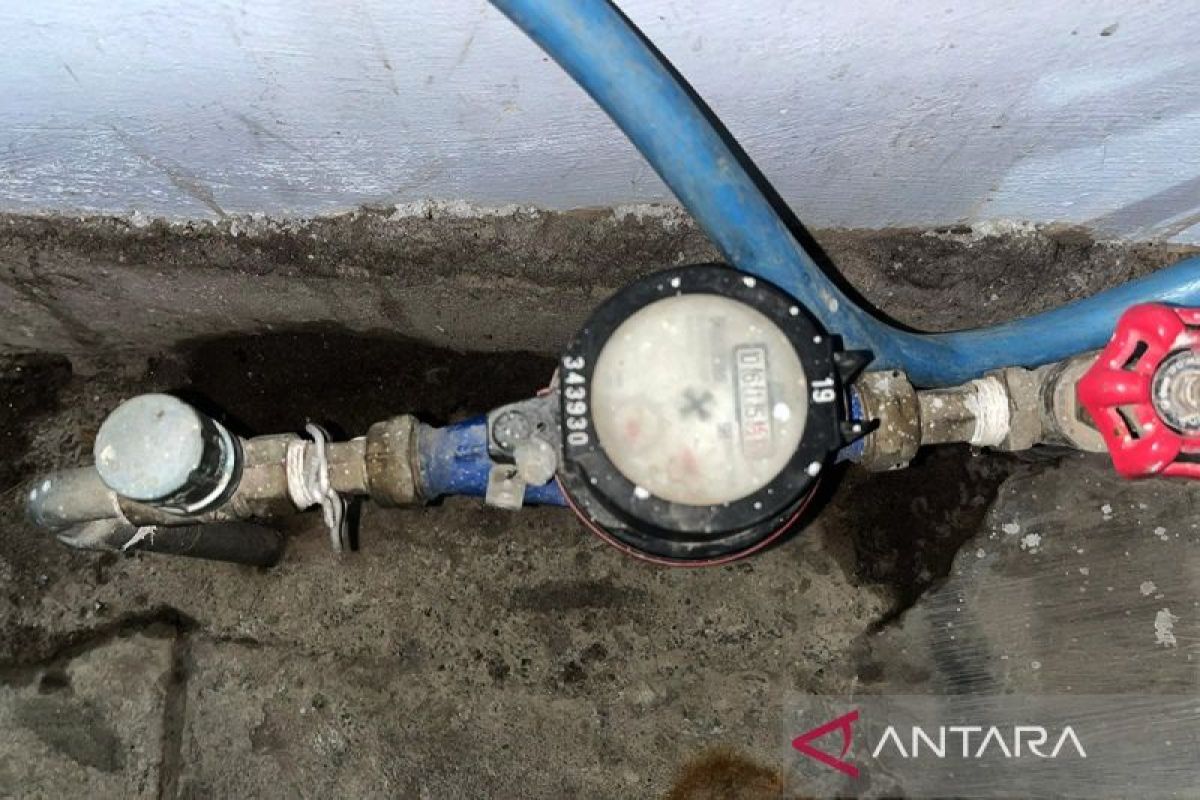
One afternoon, a housewife opened her newly received water bill. Her expression turned to confusion. Usually, she pays around Rp180,000 each month, but this time the bill had surged to almost Rp500,000.
Household activities had not changed, the number of residents remained the same, and there were no visible leaks. A simple question arose: was that much water truly used? This illustration depicts a situation that can raise questions regarding the accuracy of water meters as the basis for billing.
The issue is not merely the size of the bill, but the need for certainty that the figures recorded on the water meter truly reflect actual usage.
Clean water is not just a commodity, but a basic necessity that affects the quality of life for the community. Every month, millions of customers pay for water services based on the figures shown by the water meters in their respective homes.
Therefore, the accuracy of measuring instruments is the foundation of a healthy relationship between the public as customers and the Perumda Air Minum/Regional Water Utility Companies (PDAM) as public service providers.
Trust in drinking water services is built through measurement certainty. When water meters function precisely, customers feel confident that the bills paid correspond to their actual consumption.
The scale of this issue is significant. According to 2024 data from the Central Bureau of Statistics (BPS), the number of clean water company customers in Indonesia has reached 17,492,760. Meanwhile, data from the drinking water sector in the same year shows there are 428 Regional Water Utility Companies serving the public across various regions in Indonesia.
This means that the quality of the water measurement system will impact millions of households, business actors, and clean water service customers who pay monthly bills based on meter readings.
In practice, water meters operate continuously for years as measuring tools that serve as the basis for determining customer bills. Over time, operational conditions such as sediment in the pipes, corrosion, changes in water pressure, and component wear can affect the performance of the measuring instrument. Differences in meter characteristics, whether mechanical or digital, mean that each has different ways of reading water flow, particularly at very low flow rates.