
TII: Integrating DTSEN and PBI JK protects vulnerable patients during deactivation
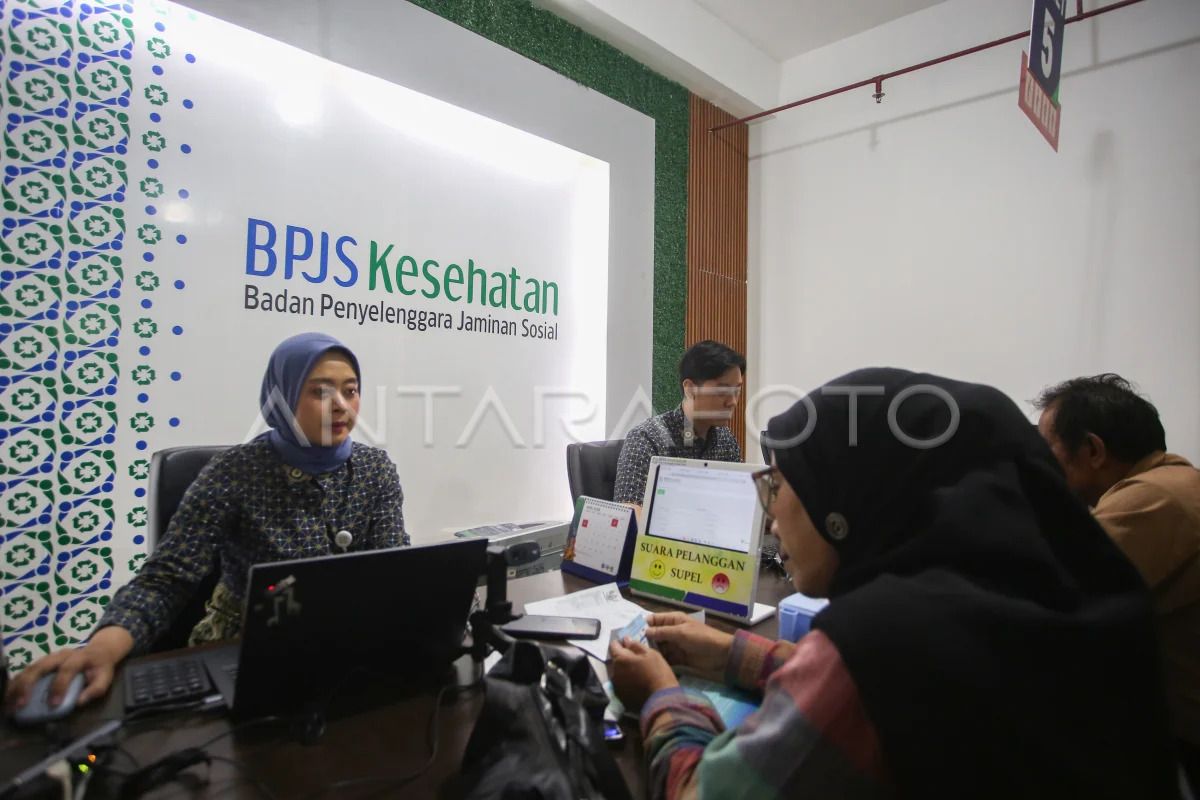
Jakarta (ANTARA) - The Indonesian Institute (TII) has stated that strengthening verification and integrating the National Socioeconomic Single Data (DTSEN) with the governance of Recipients of Health Insurance Premium Assistance (PBI JK) membership could reinforce protection for vulnerable patients during deactivation.
TII researcher for the Social Division, Made Natasya Restu Dewi Pratiwi, said in Jakarta on Thursday that the aim of updating data to improve targeting accuracy is the right step. However, its implementation still faces a number of challenges.
“A well-targeted policy is measured not only by who is successfully removed from the list of social assistance recipients, but also by the capability and readiness of the system to ensure that not a single vulnerable group loses access to healthcare services, let alone has their life threatened,” said Natasya.
Those challenges, she said, include suboptimal cross-sector coordination, minimal notification to members, the absence of special protection for chronic patients, and limited transition mechanisms for affected members.
She therefore recommended such integration, as linking social data with medical status would make it possible to exclude chronic patients from PBI deactivation targets.
“Essentially, the accuracy of socioeconomic data must go hand in hand with a system that is ready to protect the life of every vulnerable patient,” said Natasya.
Meanwhile, the Secretary of the Directorate General of Advanced Health at the Ministry of Health, Dr Sunarto, said the ministry has issued a circular instructing health facilities not to refuse patients while their membership administrative matters are being resolved.
“We continue to improve coordination across ministries and agencies, refine the reactivation mechanism, and ensure that affected patients continue to receive healthcare services,” he added.
The Chairman of the Indonesian Dialysis Patients Community, Tony Richard Samosir, stressed that membership deactivation is not merely an administrative matter for patients with chronic illnesses.
“Cleaning up the data is fine, but the next round of deactivations must not rob patients of their right to live. The public must receive information before deactivation is carried out, and the reactivation process must not burden patients,” said Tony.
The discussion also highlighted the importance of strengthening cross-ministerial coordination, opening space for dialogue with the public and patient communities to gather suggestions for improving BPJS Kesehatan, pushing for an audit of BPJS Kesehatan, and improving the quality of data and notification systems so that future membership updating processes are more accountable and no longer sacrifice vulnerable groups.