
Tidal Flooding on North Coast Recedes, Surabaya-Gresik Traffic Returns to Normal
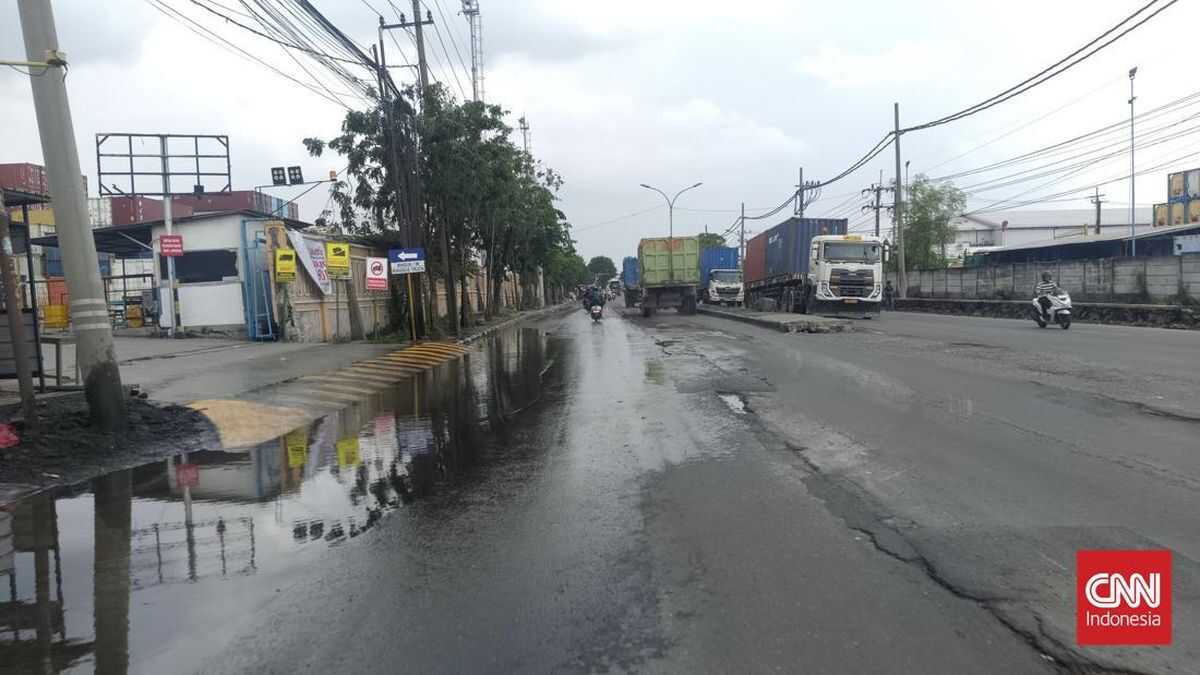
Flooding and tidal surges that struck the northern coastal area of Surabaya, specifically in Osowilangun, were reported to have receded by midday on Tuesday (17 February). Traffic on the Surabaya-Gresik route, which had been paralysed, has gradually returned to normal.
The Head of Surabaya’s Water Resources and Highways Agency (DSDABM), Hidayat Syah, said that once the floodwaters subsided, officers immediately carried out a thorough inspection of underground drainage channels.
He explained that water had overflowed onto the main road, necessitating coordination with traffic officers to ensure clean-up activities could proceed safely and smoothly.
“Since Monday morning (16 February), we have been on the ground to check the condition of the drainage channels. Our focus has been on clearing rubbish from the underground channels beneath the road so that water flow returns to normal. Dredging is still being carried out in stages to ensure no material remains that could obstruct the water flow,” Hidayat said.
He explained that the response operations were centred on the Kalianak River. Culverts that had previously been blocked were opened via manholes to allow optimal cleaning. Where necessary, access around the site was also temporarily closed to facilitate rubbish removal.
“We urge everyone to play their part in keeping drainage channels clean so that water flow remains unobstructed in future,” he said.
In addition to field operations, the Surabaya municipal government is continuing to optimise pump station operations and strengthen cross-agency coordination as a preventive measure going forward. All personnel have been placed on standby with a rotating 24-hour shift system to ensure rapid response should water levels rise again.
“Our pumps are running continuously on a shift system. Morning, afternoon and night teams are all on standby, including rubbish clearing crews at the channels and screens. We have also ensured that fuel supplies and supporting facilities are secure,” he said.
He added that the Osowilangun area is connected to a number of river networks and main drainage channels, including those under the jurisdiction of the central government. Consequently, flood management requires cross-agency synergy to achieve optimal results.
“For major channels such as the Kalianak River, Kandangan River and waterways leading to the sea, we continue to coordinate with national-level agencies. The Surabaya municipal government stands ready to collaborate in support of smooth channel management and to safeguard the safety and comfort of residents,” he said.
The BMKG Juanda meteorological station had previously urged residents of coastal Surabaya to remain vigilant against potential tidal flooding during the period of 13-20 February 2026 due to maximum sea tide levels. The BMKG also forecast the potential for extreme weather between 15-21 February 2026, including heavy rainfall, strong winds, hail and waterspouts.
“The Surabaya municipal government hopes that once the entire clean-up process is completed, water flow can return to normal and environmental conditions in the Osowilangun area will become conducive again. The public is also urged to play an active role in keeping drainage channels clean so that flood risk can be minimised,” he said.