
Tidal Flooding Engulfs Surabaya's Coastal Areas
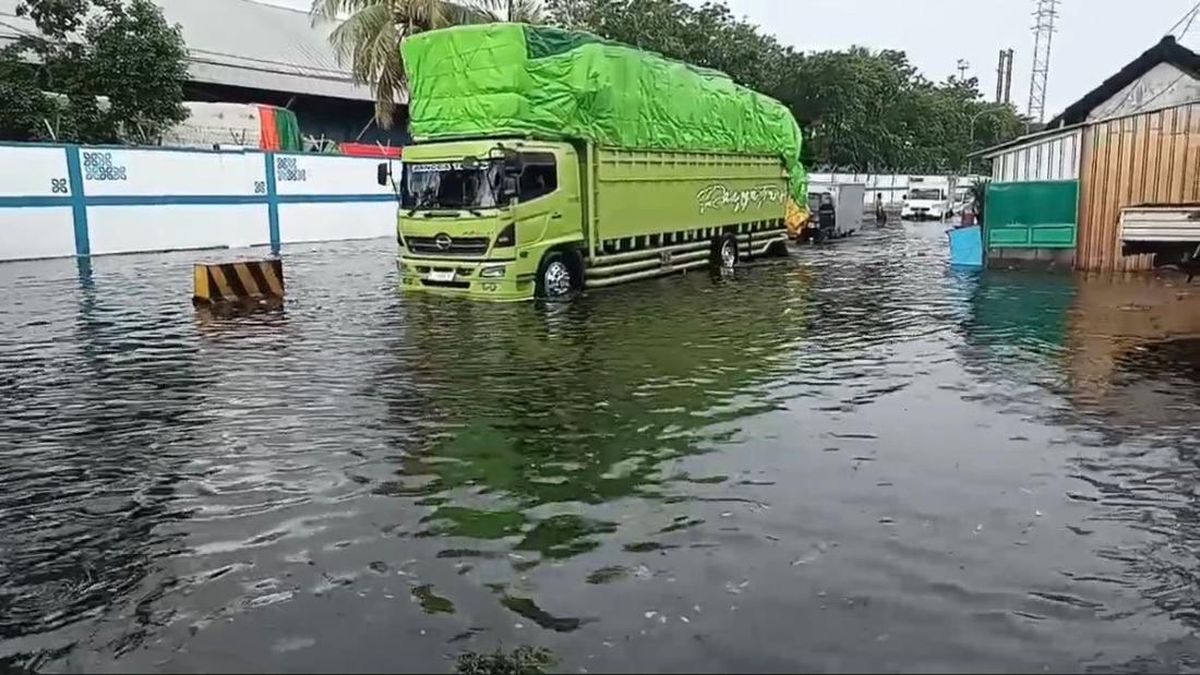
Tidal flooding has once again submerged several points in Surabaya’s coastal areas, East Java, on Wednesday afternoon (22/4). The rise in sea levels was worsened by rain. Several protocol road accesses and residential areas were inundated. Field observations revealed water pooling in vital spots, including Jalan Kalimas and the Kalianak area. This condition caused traffic congestion as drivers had to exercise extra caution while navigating the flooding. Coordinator of the Observation and Information Division at the Tanjung Perak Surabaya Maritime BMKG, Sutarno, confirmed that the water level on Jalan Kalimas had reached 25 cm. “Currently, on Jalan Kalimas, the water level is 25 cm due to the rise in sea levels or tidal flooding and moderate rain, which adds to the water height,” said Sutarno on Wednesday (22/4). Besides logistics routes, the tidal flooding also spread to densely populated areas in Kalianak, with average water levels of 15 cm. According to Sutarno, this phenomenon is a result of the new moon phase and perigee, or the moon’s closest position to Earth, which triggers an increase in the maximum high tide. “Usually, the tidal water starts rising around 10:30-12:00 WIB. It often occurs at the beginning of the month and during full moon,” he stated. BMKG warns the public, especially drivers, to be alert to the corrosive nature of seawater, which can damage motor vehicle components. Not only disrupting mobility, the overflow of seawater is also beginning to hinder the economic pulse in coastal areas. Several productive activities are affected, from port operations to the fisheries sector. “This tidal flooding also impacts community activities around the port and coastal areas, including loading and unloading activities as well as salt ponds and land-based fisheries,” he said. Residents are urged to continuously monitor weather developments and tidal fluctuations regularly to anticipate broader impacts.