
Ticket Discounts and Free Tolls Boost Economic Activity During 2026 Lebaran Migration
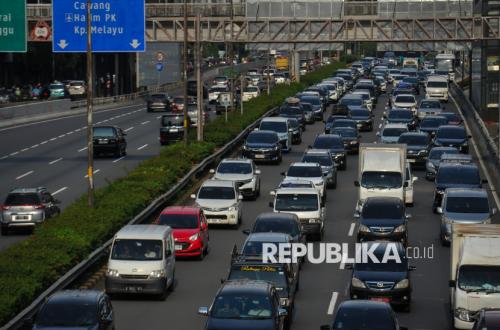
Jakarta — The Lebaran migration season continues to be a significant catalyst for national economic movement. Ahead of Eid al-Fitr 2026, the Ministry of Transport projects that 143.9 million people will travel during this year’s migration period.
This substantial mobility is expected to drive economic activity across multiple sectors, including transport, tourism, and accommodation. Some members of the public have booked travel tickets several weeks in advance, whilst many others are only finalising their migration plans closer to their departure dates.
This year, the government is supporting the smooth progression of Lebaran travel through several policies designed to maintain accessibility and reduce travel costs. These measures include up to 18 per cent discounts on domestic airline tickets, the addition of 60 train services with ticket discounts of up to 30 per cent on certain routes, and the temporary opening of six toll road sections that may be used free of charge during the Lebaran period.
The infrastructure support and policies are considered effective in helping the public plan their migration journeys more efficiently, whilst sustaining economic activity during the Lebaran holiday season.
Baidi Li, Vice President of Commercial at Traveloka, stated that the Lebaran period consistently represents a time of exceptionally high public mobility, which in turn drives increased demand for travel services.
“Lebaran is always a tradition greatly anticipated by Indonesian society for returning to their home towns and gathering with family. Through our Ramadan FULL Promo, we wish to provide convenience for the public in planning their migration journeys more efficiently and affordably,” said Baidi Li in a statement on Monday, 9 March 2026.
He added that various travel promotions are expected to assist the public in managing travel costs more flexibly, including those planning their migration near their departure dates.
When planning their migration, the public now considers various more flexible transport options, ranging from aeroplanes, trains, buses, to private vehicles.