
Through Newscraft & Relationlab, KAI Strengthens Branding in the Digital Era
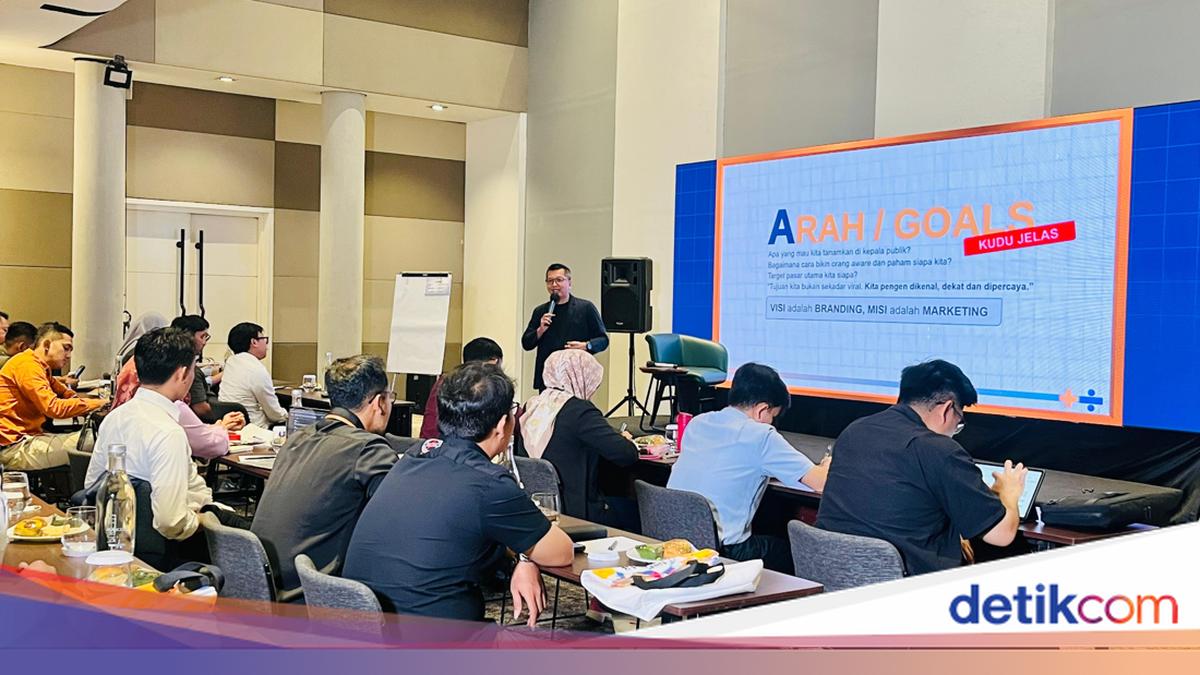
PT Kereta Api Indonesia (KAI), in collaboration with detikcom, organised a public training session titled ‘Newscraft & Relationlab’ on Wednesday (6/5). Through this training, KAI delved into communication and branding strategies that not only focus on the message but also on the ‘feeling’ to be conveyed to the public.
KAI’s Manager of Internal & Engagement Communication, Nova Adrian Nugraha, emphasised in his opening remarks the importance of the public relations (PR) role in the digital era. He stated that the PR function extends beyond merely disseminating information to building strong and strategic narratives.
“Friends all, in the current digital era, we know that public relations (PR) plays a very important role for our company,” he said at Artotel Thamrin, Central Jakarta, on Wednesday (6/5/2026).
“Where we not only convey messages but also create good storytelling, and convey strategic messages from the company to the public,” he continued.
He also appreciated the training opportunity, which featured practitioners from detikcom as a space for collective learning.
“With today’s opportunity, all of you have been given the facility to learn together with the presenters from the detikcom team. Later there will be Mr Karel Anderson, as well as Mr Ardhi Suryadhi, who are experienced in their fields, so we can discuss, exchange knowledge here, and apply it in our respective work areas,” he explained.
In the first material session, detikcom’s Head of Brand Communication, Karel Anderson, discussed corporate branding and the role of public relations in building the company’s image. Participants were guided to understand the process of compiling information, managing PR relations, and building strong and credible narratives.
On that occasion, Karel explained that branding is not just about following trends but about building long-term value in the public’s mind.
“Branding is not about following hype (trends), but building long-term value,” he clarified.
He highlighted that many communication practitioners are still trapped in pursuing virality or merely following trends. However, such an approach is deemed insufficient for building a strong and sustainable image.
According to him, effective communication does not only focus on the message to be conveyed but also on the feeling to be imparted to the audience.
“We can control the message, but we can’t force the impression. So the narrative may be the same, but the feeling must be different,” he stated.
He also emphasised the importance of involving all company elements in building branding, not limited to the communication team.
“Ensure that the branding done is understood by everyone in the company, not just from the brand team, but from all elements,” he asserted.
According to him, this is becoming increasingly important, especially for public service institutions in building effective communication with the community.
“Because as a public service institution, branding and communicating to the people are very important so that all services, all services provided to the community and customers, can receive excellent service,” he said.
“So it’s not just serving like that, but there’s something different from others,” he added.
Furthermore, Karel outlined three main mindsets in packaging communication into reputation: conveying messages in a different way even based on the same data, shifting the communication focus to the audience’s experience, and managing public perception of the brand.
Through this approach, communication is expected to build trust, closeness (loyalty), and engagement with the public.
In addition to the material presentation by Karel Anderson, this event will also feature detikcom’s Editor-in-Chief, Ardhi Suryadhi, as the presenter in the second session. The event is complemented by case studies to sharpen participants’ understanding, as well as interactive games with prizes to be announced at the end of the event.