
Three Waste-to-Energy Projects Under Construction, PLN Ready to Purchase the Electricity
PT PLN (Persero) is supporting the acceleration of three domestic Waste-to-Energy (PSEL) projects. The three projects are located in Denpasar, Bogor, and Bekasi respectively.
PLN’s President Director, Darmawan Prasodjo, affirmed the company’s readiness to serve as the buyer or off-taker of the electricity produced from these waste processing facilities.
He has also instructed the technical team to map interconnection routes to ensure efficient integration into the national electricity system.
“PLN has mapped the nearest interconnection points from the PSEL locations to be built, so that the connection process is faster and more efficient in line with the project development targets. PLN is also accelerating the initial PJBL discussions, so that stages that usually take several months can be shortened,” he stated in an official remark, quoted on Monday (27/4/2026).
The construction of this infrastructure involves collaboration between local governments and several project implementing business entities.
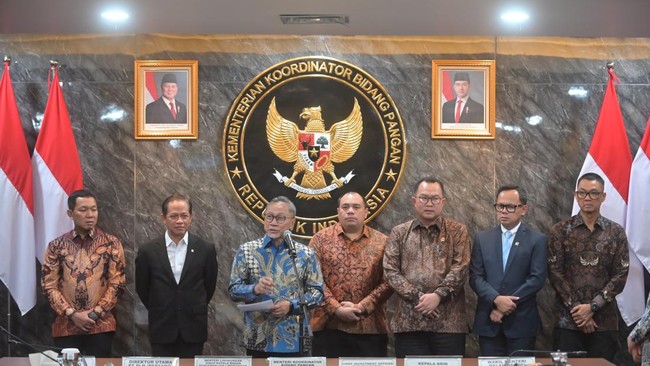
This commitment was marked by the signing of Cooperation Agreements between the Bali Provincial Government and Bogor with PT Zhejiang Weiming, as well as the Bekasi City Government with PT Wangneng Bekasi Environmental Nusantara.
The signing was witnessed directly by the Coordinating Minister for Food Affairs Zulkifli Hasan, Minister of Environment Hanif Faisol Nurofiq, Deputy Minister of Home Affairs Bima Arya Sugiarto, CIO of Danantara Indonesia Pandu Patria Sjahrir, West Java Governor Dedi Mulyadi, Bali Governor I Wayan Koster, and PLN President Director Darmawan Prasodjo.
The signing of this Cooperation Agreement took place at the Office of the Coordinating Ministry for Food Affairs, Jakarta, on Tuesday (21/4/2026).
PLN as the electricity buyer is considered vital to improving project viability and opening access to financing for green infrastructure developers.
“PLN welcomes this cooperation signing as a concrete step to accelerate the PSEL project. We ensure that the generated electricity can be integrated into the national electricity system and reused by the community,” he continued.
On the other hand, Coordinating Minister for Food Affairs Zulkifli Hasan reminded of the importance of ensuring a steady daily supply of waste as the main raw material so that power plant operations are not disrupted. He encouraged local governments in agglomeration areas to collaborate in meeting the required waste volume quota.
“We are already in a waste emergency category. Therefore, this project must be monitored to be completed on time, while ensuring the availability of raw materials,” explained Zulkifli Hasan.
The implementation of PSEL in these three major cities is expected to significantly reduce urban waste accumulation while improving the quality of living environment. In addition, this project is part of President Prabowo Subianto’s directives to accelerate the resolution of national waste issues through the utilisation of clean energy technology.