
Three Waste-to-Energy Projects Gain National Strategic Project Status
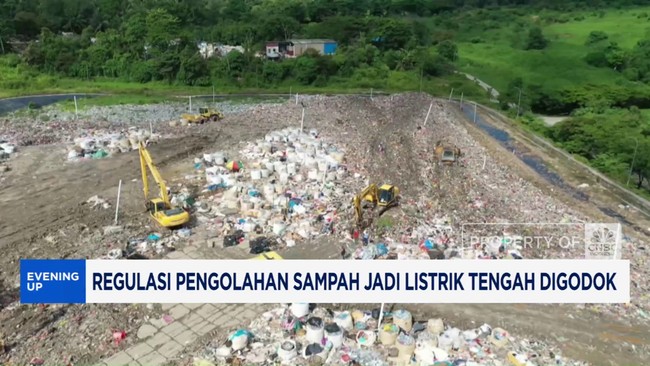
PT Danantara Investment Management (DIM) and its subsidiary PT Daya Energi Bersih Nusantara (Denera), which focuses on developing waste-to-energy (PSEL) infrastructure, have welcomed the government’s designation of three PSEL facilities as National Strategic Projects (PSN). The three projects cover PSEL facilities in Bekasi, Bogor Raya, and Denpasar Raya, and constitute the first wave of PSEL project implementation. The designation is based on Coordinating Ministry for Economic Affairs Regulation No. 16 of 2025, which includes the Integrated Waste Management Programme in the list of National Strategic Projects, as well as Presidential Regulation No. 35 of 2018 and Presidential Regulation No. 109 of 2025 concerning the acceleration of environmentally friendly technology-based waste-to-energy facility development. The PSN status confirms that the construction of waste processing facilities for energy is now part of the national priority agenda. Beyond contributing to solving urban waste problems, these projects are also expected to support an increase in the renewable energy mix, emission reduction, and more sustainable urban infrastructure development. As a company established to develop a national PSEL platform, Denera is tasked with developing waste-to-energy projects through strategic investment, technology selection, and cross-sector partnerships. Pandu Sjahrir, Chief Executive Officer of DIM, stated that the PSN designation for these three projects is an important momentum in building the foundation of Indonesia’s PSEL industry. ‘Through Denera, we aim to help accelerate the realisation of a Waste-to-Energy ecosystem that can be part of a long-term solution to Indonesia’s waste management challenges. The PSN designation for these three first-wave locations demonstrates the government’s commitment to delivering integrated solutions to tackle the waste crisis,’ Pandu explained in a press statement. The PSN designation was delivered through a National Strategic Project Certificate issued by the Committee for the Acceleration of Priority Infrastructure Provision (KPPIP) at the Coordinating Ministry for Economic Affairs to the respective Developer and Operator Business Entities (BUPP) in the three locations. The three BUPPs that have obtained PSN status are: PSEL Bekasi City in West Java Province, implemented by Bekasi Environment Nusantara; PSEL Bogor Raya in West Java Province, implemented by Nusantara Bogor New Energy; and PSEL Denpasar Raya in Bali Province, implemented by Nusantara Bali New Energy. These three BUPPs were formed based on partner selection by DIM, where each BUPP will be responsible for the development and implementation of the project at its respective location according to plans and governance agreed upon with the government. With the PSN status, these projects will receive implementation support through strengthened cross-ministerial and agency coordination, facilitation in resolving project obstacles, and various instruments necessary to ensure efficient and on-target construction. Fadli Rahman, Chief Executive Officer of Denera, said the PSN designation shows that waste management through PSEL is no longer just a regional need, but part of national strategic interests. ‘For Denera, this status not only accelerates realisation at the three initial locations, but also serves as an important foundation for developing PSEL facilities at subsequent locations.’ As part of the effort to transform national waste management, DIM and Denera view these three projects as the initial foundation for developing a PSEL ecosystem in Indonesia. Through collaboration with the government, regional governments, technology partners, and various stakeholders, Denera strives to present solutions that not only address urban waste challenges but also create sustainable environmental, social, and economic value for the community.