
Three Types of Shame a Muslim Must Possess
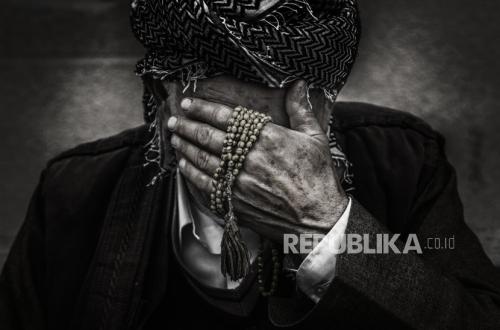
Islam places shame as part of faith. A believer certainly possesses the trait of shame. The trait of shame within a person will make them increasingly moral, because the essence of shame is a character that drives one to abandon bad things and prevents neglecting the rights of others.
From Imran bin Hushain, he said, “The Messenger of Allah said, ‘Shame brings nothing but good.’” (Muttafaq ’alaih). The Prophet Muhammad SAW said, “Faith consists of more than seventy or sixty branches. The highest branch of faith is saying ‘La ilaaha illa Allah’, and the lowest branch of faith is removing a thorn (obstruction) from the path. Shame is also a branch of faith” (HR Bukhari-Muslim).
In this context, shame does not mean low self-esteem or weakness, but rather a noble character that directs a person to avoid sin, restrain themselves from evil, and act fairly regarding the rights of others. The trait of shame can prevent a person from committing bad deeds and reprehensible behaviour, while simultaneously encouraging them to behave nobly. As some of the pious predecessors said in the translated book Riyadush Shalihin, “I saw that disobedience is a disgrace, so I abandoned it to preserve my honour, and it is impossible for disobedience to be my religion.”
If a person loses their shame, their behaviour will gradually worsen, then descend to something worse, and continue to slide downwards. The Prophet Muhammad SAW said, “Indeed, when Allah intends to destroy a person, He removes shame from that person. When his shame has been removed, you will not find him except as someone detested. When you do not find him except as someone detested, trustworthiness is removed from him. When trustworthiness has been removed from him, you will not find anything from him except a traitor who is betrayed. When he has become a traitor who is betrayed, mercy is removed from him. When mercy has been removed from him, you will not find anything from him except a cursed person who curses. When a cursed person who curses has been removed from him, then finally the bond of his Islam is removed” (HR Ibnu Majah).
There are three types of shame that a Muslim must possess. First, shame towards Allah, which means a Muslim must feel ashamed before Allah SWT when they are neglectful in worship or commit a sin. Second, shame towards oneself, which is shame that drives a person to be content with few material possessions and to be brave in self-correction. Third, shame towards others, which is shame that prevents a person from disturbing others, speaking rudely, or acting inappropriately in public.