
Three Tobacco Excise Challenges for the Finance Minister
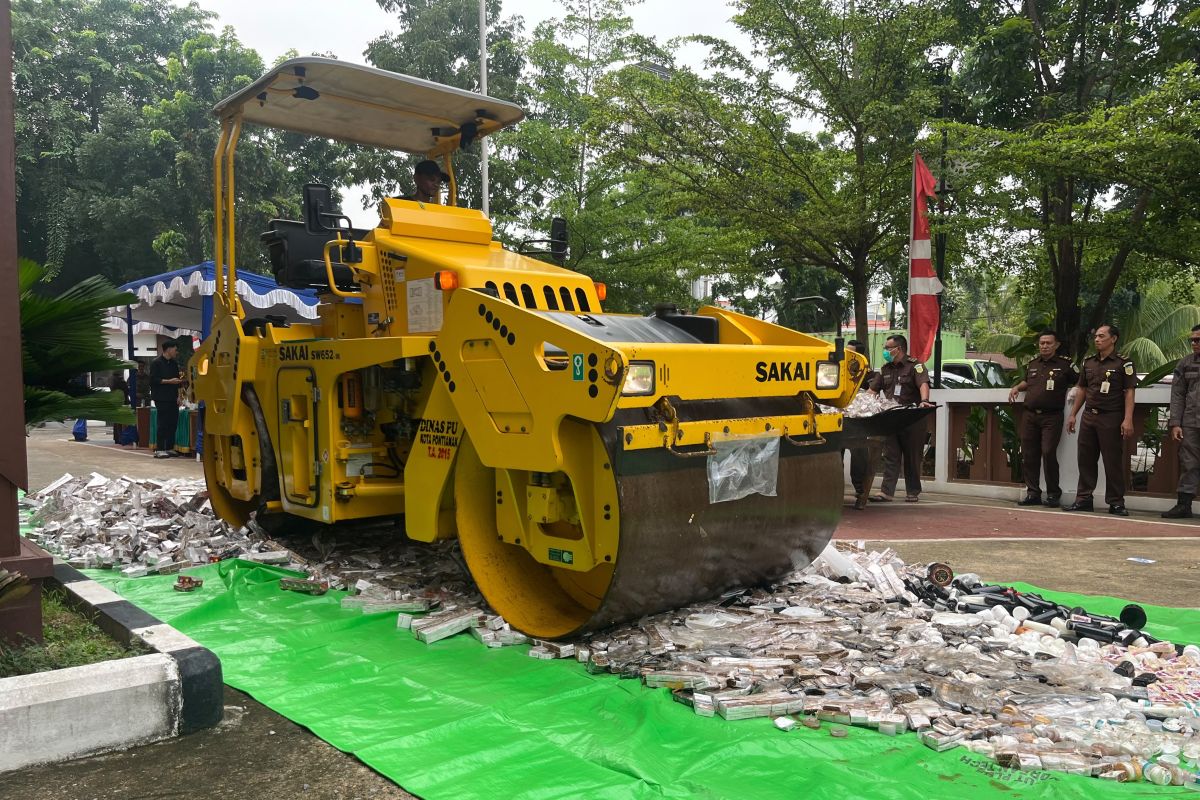
While cigarettes remain far cheaper than the healthcare costs borne collectively, this opportunity is too valuable to miss.
Jakarta (ANTARA) – Smoking not only increases the risk of respiratory illness but also places a burden on the National Health Insurance scheme (JKN).
In 2024, BPJS Kesehatan paid an average of Rp12.1 million to treat one lung cancer patient for a year, while the average cigarette excise paid per Indonesian was just Rp873,934.
These figures were calculated by researchers at the University of Indonesia’s SDH Center for Equity using 2024 JKN claims and excise revenue data. The cost of treating one lung cancer patient alone is equivalent to the excise paid by around 14 people.
Meanwhile, excise rates have remained unchanged for the past two years. Since Finance Minister Regulation No. 97 of 2024, the government has not raised rates in 2025, and the same rates are in effect again in 2026.
Under the Customs and Excise tariff schedule, machine-made kretek cigarettes in Group I, the market’s best-selling category, have continued to incur excise of Rp1,231 per stick since 2024. The freeze applies across the board: rates have not risen for any type or category.
With new leadership at the Finance Ministry, there is now room to review the direction of excise policy, including a plan announced by the previous finance minister in July 2026 to add another tariff tier. Such a review would be valuable, because the policy direction most likely to help curb consumption is the opposite: reducing the number of tiers.
Excise rates stand still as healthcare costs keep rising
When rates do not rise while incomes and the prices of other goods continue to increase, cigarettes effectively become cheaper. This is not because their prices fall, but because the same price feels more affordable. As cigarettes become more affordable, consumption is not curbed, exposure to smoke does not decline, and the number of patients with smoking-related illnesses does not fall.
Using BPJS Kesehatan sample data, the Transdisciplinary Institute and the National Commission for Tobacco Control (Komnas PT) tracked patient visits to BPJS Kesehatan in hundreds of regencies and cities from 2015 to 2024. They found a fairly consistent pattern.
In years when excise rates rose, visits for respiratory illnesses – acute respiratory infections, asthma and chronic obstructive pulmonary disease – fell more sharply in areas with higher numbers of smokers.
The SDH Center for Equity study also calculated how much excise revenue covers treatment costs. For every Rp100 spent on treating smoking-related illnesses, excise revenue covers only about Rp17.6. The remaining Rp82.4 is paid for through participant contributions and the state budget (APBN).
The two have also changed at different rates. From 2019 to 2024, the cost of treating each pulmonary tuberculosis patient rose around twice as fast as excise revenue, while the shortfall that public budgets must cover widened by more than half. With rates frozen, that gap widens on its own.
Curbing illicit cigarettes through stronger enforcement