
Three Tanzanian Insects Drive National Palm Oil Industry Efficiency
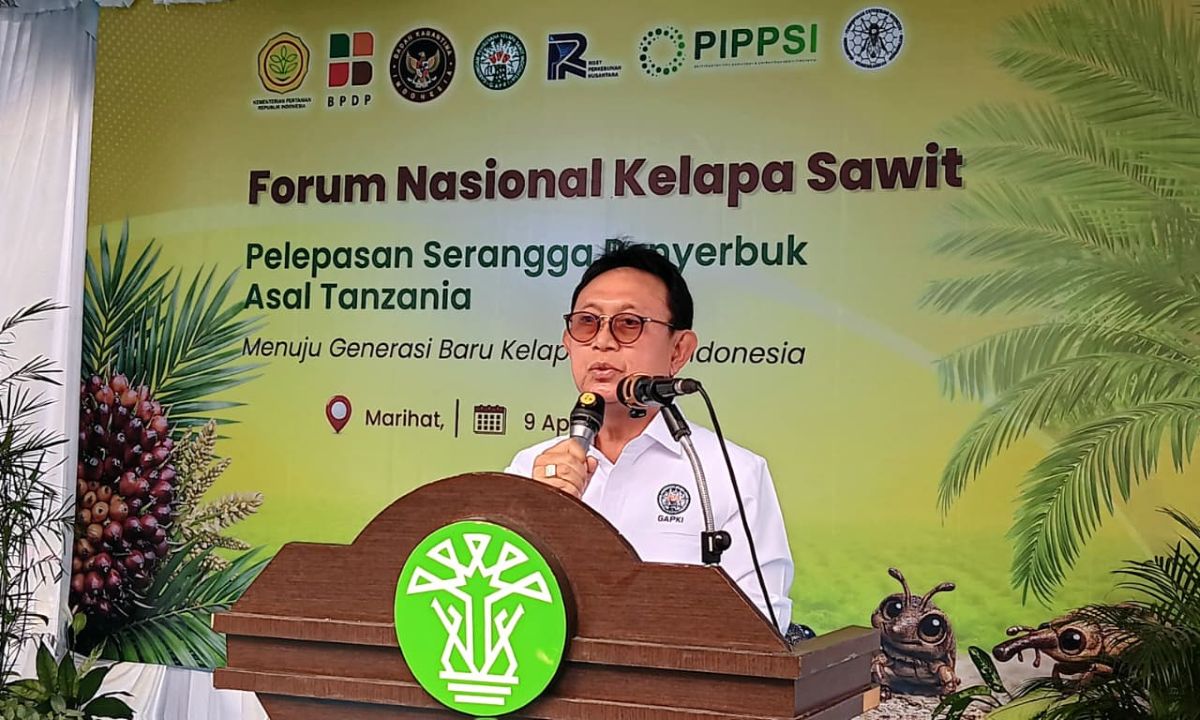
More than four decades since the introduction of the first pollinating insect in 1982, Indonesia’s palm oil industry is entering a new chapter through strengthened science-based innovation. At the Marihat Palm Oil Research Centre, three species of pollinators from Tanzania were officially introduced, namely Elaeidobius subvittatus, Elaeidobius kamerunicus, and Elaeidobius plagiatus.
Despite their small size, pollinating insects play a crucial role in the fruit formation process of oil palm, which is the main source of oil production. Agriculture Minister Andi Amran Sulaiman views this step as a continuation of the long history of innovation in the palm oil sector.
“Small innovations can bring big impacts,” he said in a speech read by the Director of Seedling of the Ministry of Agriculture, Ebi Rulianti.
So far, attention to the palm oil industry has focused more on aspects of land area and production volume. However, biological processes such as natural pollination by insects are key factors determining productivity.
Ebi stated that the introduction of these pollinating insects is a strategic step to maintain the sustainability of the palm oil industry while increasing efficiency. Their presence is expected to reduce production costs, particularly in the pollination process, thus directly impacting plantation productivity.
The programme involves various parties, including the Indonesian Palm Oil Entrepreneurs Association, the Plantation Fund Management Agency, the Indonesian Quarantine Agency, PT Riset Perkebunan Nusantara, and the Indonesian Palm Oil Farmers Association.
The entire introduction process was carried out through strict scientific stages, from exploration in the country of origin to comprehensive testing to ensure biosafety.
“This is a measured science-based policy that still upholds the principle of prudence,” said Ebi.
The General Chairman of Gapki, Eddy Martono, views this step not merely as a ceremony, but as a symbol of the continuity of innovation in the palm oil industry. He emphasised that the future of the national palm oil sector greatly depends on the ability to integrate science, experience, and cross-stakeholder collaboration.
The three pollinator species are expected to strengthen the natural pollination system, increase productivity, and maintain the ecological balance of plantations. From Tanzania to Simalungun, this small step brings great hope for the birth of a new generation of Indonesia’s palm oil industry that is more adaptive, efficient, and sustainable.