
Three Ships Burn in 12 Days, Sounding the Alarm on Maritime Safety
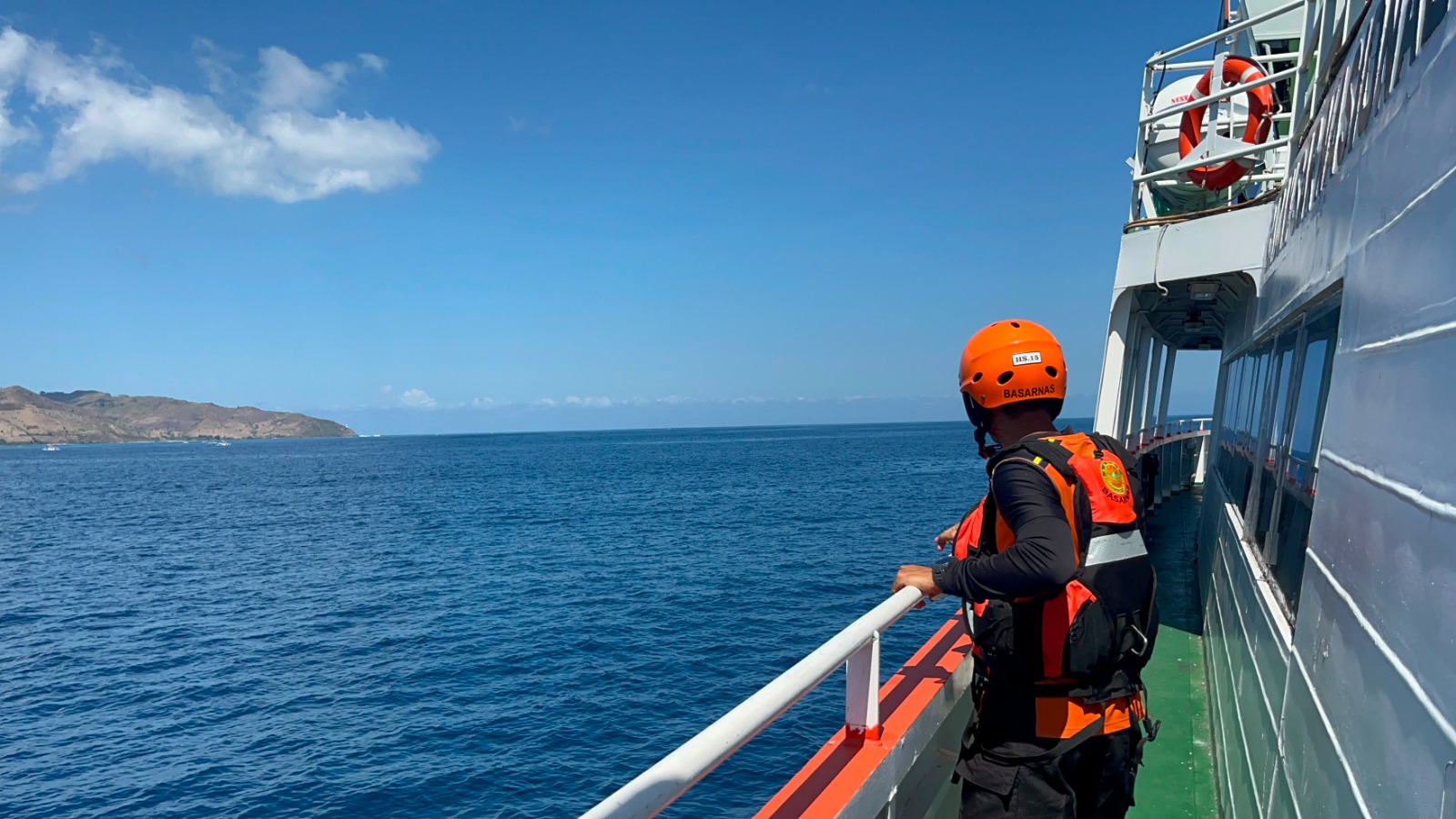
Bali shipping observer Komang Purnama stated that ship accidents occur frequently in Indonesia. Speaking in Denpasar on Thursday (13/8), he noted that within less than two weeks, three passenger transport-related vessels had caught fire in Indonesia.
“The incidents involved the KM Prince Soya in Samarinda Port on 1 August, the KMP Mutiara Sentosa II in the waters north of Sumenep on 2 August, and finally the KMP Putri Yasmin on 12 August 2026 around the Lombok Strait. This series of events should be a concern and a momentum to re-examine the safety aspects of passenger transport vessels, especially Ro-Ro ferries,” he said.
Purnama elaborated on the KMP Putri Yasmin fire. The KMP Putri Yasmin (IMO 9037575) is an Indonesian-flagged Ro-Ro ferry with a gross tonnage of 1,790, operated by PT Jemla Ferry. Built in 1992 in Japan, the vessel serves passenger and vehicle transport. On Wednesday, 12 August 2026, at approximately 04:30 WITA, authorities received a report of a fire on board the KMP Putri Yasmin. Initial reports indicated the incident occurred at a position of approximately 08°41’ S and 115°46’57” E. At the time, the ship was sailing from Padangbai to Lembar.
Early information suggests the fire likely started on the vehicle deck. Reports circulating in the media and on social media mentioned a suspected source of the fire from a box truck located on the vehicle deck. This information remains a preliminary suspicion and requires confirmation through an official investigation to ascertain the exact point of origin, the vehicles involved, and the cause of the fire.
Based on initial reports, the manifest recorded in Inaportnet listed 114 passengers. Also on board were 17 crew members and seven people working as canteen and cleaning service personnel. Evacuation efforts were subsequently carried out through coordination with various elements. “As of today, based on information updates up to 14:15 WITA, a total of 138 people have been evacuated to Lembar Port, with a temporary report of one fatality. A total of 35 people were evacuated via Padangbai Port, while 39 people remain on board the KMP Parama Kalyani. The total number of people temporarily recorded in the evacuation process is 212, consisting of passengers and crew,” he stated.
This incident once again highlights the high risk of fire on the vehicle decks of Ro-Ro ships. This area contains various types of vehicles with energy sources such as fuel, batteries, and electrical installations, and under certain conditions, they may carry goods or cargo that are flammable or hazardous. If the suspected source of the fire originated from a vehicle, one important aspect to consider is the inspection of vehicles and the declaration of their cargo before they enter the ship. A Cargo Declaration is not merely an administrative requirement but crucial information for the operator and crew to understand potential hazards that may be inside a vehicle.
In addition to monitoring vehicles and their cargo, fire detection and alarm systems, the readiness of portable fire extinguishers, pumps and hydrants, fire patrols, communication systems, and crew preparedness are essential parts of preventing a fire from escalating into a larger incident. In a large and relatively enclosed vehicle space, time is a critical factor. The sooner a fire is detected, the greater the chance of extinguishing it at an early stage. Conversely, a delay in detection can cause heat and smoke to spread rapidly, disrupting the passenger evacuation process.
The sequence of events involving the KM Prince Soya, KMP Mutiara Sentosa II, and KMP Putri Yasmin in close succession should not be viewed merely as three isolated accidents. These events should serve as a momentum to re-evaluate the safety systems of passenger transport vessels, especially Ro-Ro ferries. The evaluation needs to cover vehicle and cargo monitoring, Cargo Declaration, early fire detection, extinguishing systems, smoke control, crew readiness, emergency drills, and the effectiveness of the evacuation process.
Ultimately, passenger ship safety is not just a matter of the vessel possessing certificates and being declared seaworthy. What is more important is ensuring that all safety systems can function effectively when a real emergency occurs. A small fire must be detectable and controllable before it develops into a threat to the safety of everyone on board.