
Three Regencies in NTT End Earthquake Emergency Response, Enter Recovery Phase
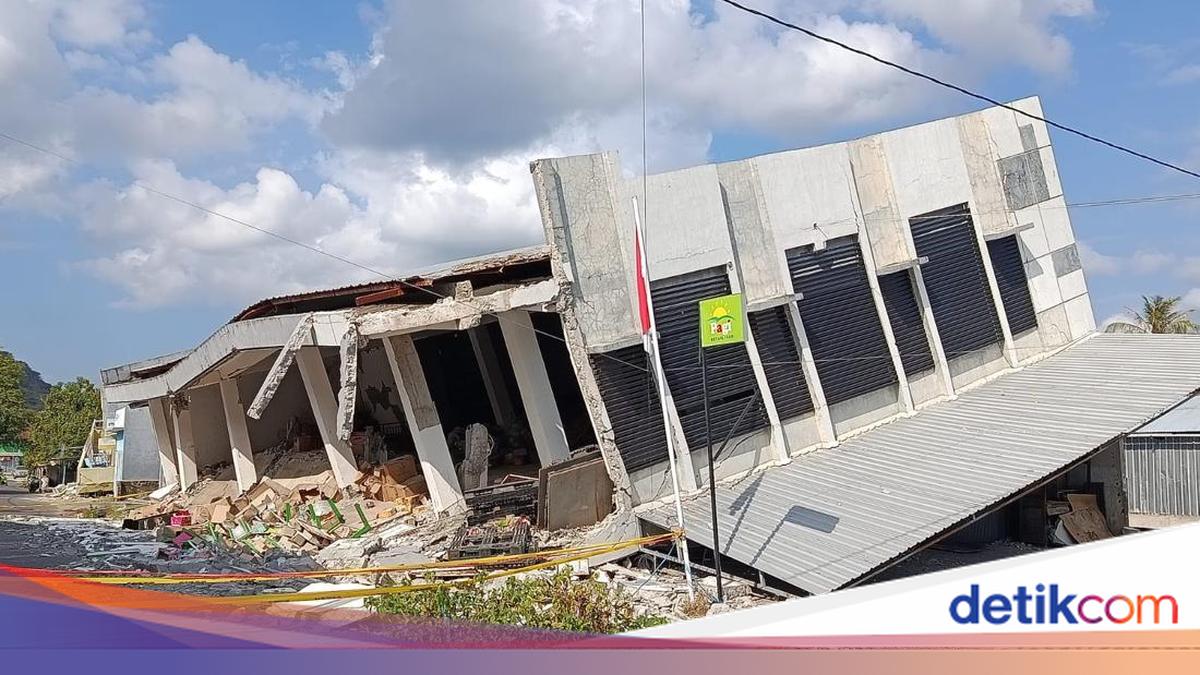
Three regencies have officially ended the emergency response status for the Flores earthquake disaster in East Nusa Tenggara (NTT), namely Manggarai, East Manggarai, and Nagekeo.
Previously, these three regencies had extended their emergency response period until Sunday (27/09/2026) and Monday (28/09/2026). Meanwhile, the emergency response period in other earthquake-affected areas in Flores ended approximately two weeks ago.
“The disaster emergency response status ends tonight,” said the Regent of Manggarai, Herybertumnus Geradus Laju Nabit, when confirmed on Monday (28/09/2026) evening.
The earthquake emergency response status in Manggarai had previously been extended for 14 days, from 15 to 28 September 2026.
Similarly, the earthquake emergency response status in Nagekeo Regency ended on 27 September 2026. The Nagekeo Government had previously implemented a second 14-day extension of the emergency response status.
“The emergency response period ended on 27 September 2026,” said the Head of the Regional Disaster Management Agency (BPBD) of Nagekeo Regency, Remigius Jago.
The East Manggarai Regency Government made a similar decision. Previously, the earthquake emergency response status in East Manggarai had been extended three times.
“The emergency response period has ended,” said the Head of Protocol and Leadership Communication (Prokopim) of East Manggarai, Yeni Maria Viani Wajong.
Following the end of the emergency response period, the earthquake-affected areas are now entering a transition from emergency to recovery. This phase will last for 90 days.
“The transition phase from emergency to recovery will last for 90 days,” said Herybertus.
The same applies to Nagekeo. “We are now in the transition period from emergency to recovery for 90 working days,” said Remigius.
Manggarai, East Manggarai, and Nagekeo were among the regions severely impacted by the magnitude 7.7 earthquake on 15 August, along with subsequent aftershocks.
Casualties and damage to buildings and public infrastructure were most concentrated in these three regions.
The emergency response period in these three areas had previously been extended more than once due to ongoing aftershocks in the region.