
Three Port-Connected Stations Serve 3.88 Million Passenger Movements in First Half of 2026
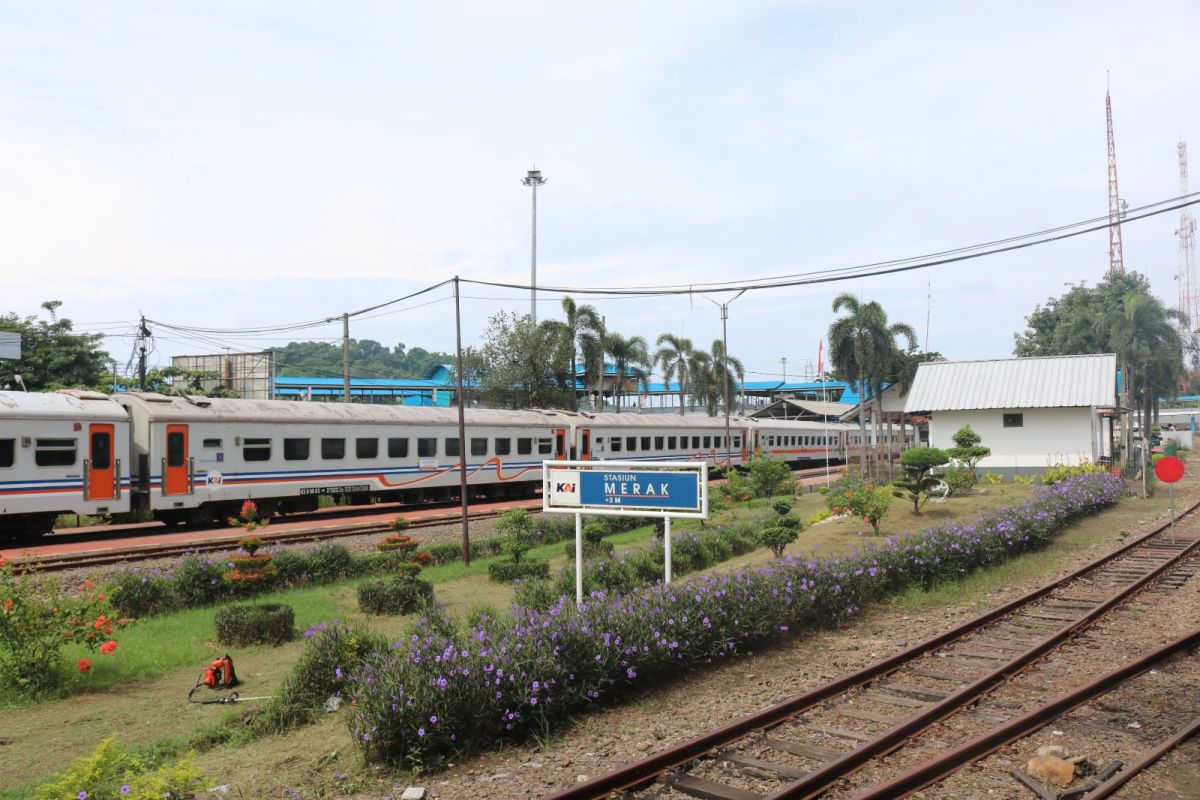
Merak, Ketapang, and Tanjung Priok are strengthening rail connectivity to ferry crossings and sea passenger terminals. State-owned railway operator PT Kereta Api Indonesia (Persero) reported positive performance for the three stations connected to passenger ports. Throughout the first half of 2026, these stations served 3,880,417 passenger movements, including both boarding and alighting, an increase of 5.12% compared to 3,691,429 passengers in the same period of 2025.
KAI Vice President of Corporate Communication Anne Purba stated that this achievement demonstrates the railway’s role as a vital link to maritime transport hubs serving travellers. ‘Not all ports have passenger services. Therefore, stations connected to ferry crossings and sea passenger terminals play a strategic role in helping the public continue their intermodal journeys more easily,’ she said.
Merak Station serves as a crucial node for passengers continuing their journey to Merak Port for crossings to Sumatra. During January to June 2026, the station recorded 306,571 gate-in passengers and 331,640 gate-out passengers. Total passenger movements reached 638,211, a 16.64% increase compared to 547,171 passengers in the first half of 2025. Merak Station serves the Commuter Line on the Rangkasbitung–Merak route. On this line, KAI also operates the Kereta Petani Pedagang (Farmers and Traders Train), which provides more accommodating travel space for farmers, traders, and the public carrying merchandise or agricultural produce. During the first half of 2026, this service carried 26,074 passengers. Since commencing operations on 1 December 2025, the service has been used by 30,189 passengers, comprising 4,115 passengers during the initial December 2025 operational period and 26,074 passengers throughout January to June 2026. The regular local train service on the Rangkasbitung–Merak route also showed positive performance, serving 2,414,115 passengers in the first half of 2026, a 9.40% increase from 2,206,671 passengers in the same period of 2025. ‘The Rangkasbitung–Merak line plays a role closely tied to the daily needs of the community. There are passengers who commute for work, trade, carry agricultural produce, travel for leisure, and continue their journey to Merak Port,’ Anne explained.
Beyond Merak, Ketapang Station in Banyuwangi is also a vital rail connectivity hub with Ketapang Port, which serves crossings to Gilimanuk, Bali. The station, previously known as Banyuwangi Baru Station, is located very close to the port. After alighting from the train, passengers can walk to the port area to continue their journey by ferry. Throughout the first half of 2026, Ketapang Station served 191,115 boarding passengers and 211,347 alighting passengers. Total passenger movements reached 402,462, growing 7.06% compared to 375,927 passengers in the first half of 2025.
In North Jakarta, Tanjung Priok Station also plays a role as a station connected to the passenger port area. Unlike Merak and Ketapang, which provide access to ferry crossings, Tanjung Priok is connected to a sea passenger terminal. Throughout the first half of 2026, Tanjung Priok Station recorded 1,488,531 gate-in passengers and 1,351,373 gate-out passengers. Total passenger movements reached 2,839,904, an increase of 2.59% compared to 2,768,331 passengers in the first half of 2025. Tanjung Priok Station currently serves the Commuter Line on the Jakarta Kota–Tanjung Priok route. This line has become increasingly relevant following the introduction of a Commuter Line service connected to Jakarta International Stadium (JIS) Station, thereby expanding mobility options for the public in the North Jakarta area.
Anne conveyed that the connectivity between stations and passenger ports provides direct benefits to the community. Passengers can use the train to reach ports with more scheduled, efficient journeys that are connected to centres of activity. ‘KAI will continue to strengthen services at stations that have a strategic role in intermodal connectivity. Merak, Ketapang, and Tanjung Priok demonstrate that the railway can be an important link to sea travel, both for ferry crossings and inter-island passenger ships,’ Anne concluded.