
Three Mindsets That Make It Harder for the Middle Class to Build Wealth, According to an Expert
Wealth is determined not only by how much a person earns, but also by how they think about money and the decisions they make. The right mindset can shape financial habits, from managing income and controlling spending to building assets for the future.
Many high earners struggle to preserve their wealth because they become caught up in consumerist lifestyles. By contrast, people with financial awareness and the discipline to manage their money have the opportunity to build wealth gradually, even on limited incomes.
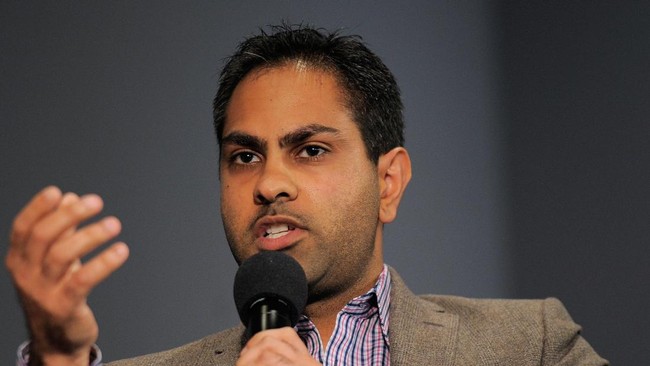
Ramit Sethi, author of I Will Teach You to Be Rich, believes that attitudes towards money are often the biggest obstacle to building wealth.
Sethi, who also hosts the Netflix series How to Get Rich, has identified three toxic mindsets that can make it difficult to achieve financial freedom.
He said building wealth takes time and consistency. Stories of people becoming rich overnight are often heard, but many people do not realise that some of them also lose that money within a short time.
“Real wealth-building takes time. The process is boring, systematic and consistent,” Sethi said, as quoted by CNBC Make It.
Here are three ways of thinking about money that he says people should avoid:
1. Treating money as a taboo subject
Sethi said many people grow up in households where money is rarely discussed. But this habit can prevent people from managing their finances effectively.
He believes financially healthy families generally make money an everyday topic of conversation, just as families might discuss healthy eating.
“Talking about money is a positive thing. For example, you can discuss savings, spending or shared financial goals with your partner or family,” he said.
2. Being trapped by beliefs instilled in childhood
The second harmful mindset, Sethi said, is accepting beliefs about money learned in childhood without questioning them.
On his podcast, Sethi often asks couples what phrases about money they heard most often while growing up. One of the most common answers is: “We can’t afford it.”
He said that when someone hears this repeatedly for years, the belief can stay with them into adulthood.
As a result, even after getting a good job or starting to invest, a person may still feel guilty about spending money on something as simple as a cup of coffee.
“Many people do not realise the connection between their childhood beliefs and their financial habits today,” Sethi said.
He recommends identifying and writing down these beliefs, then assessing whether they are still relevant to one’s life today.
3. Assuming investing is only for the rich
Another common misconception is that only wealthy people can invest. Sethi said investing is, in fact, one of the main ways to build wealth.
“You become wealthy by investing. Even if you can only set aside US$20 a month, that is a way to get started,” he said.
He added that investing automatically and regularly can transform a person’s and their family’s financial circumstances over the long term.
Sethi acknowledged that building wealth does not produce instant results. But he said the principle is no different from getting fit or learning a new language: it takes consistent practice over time.
“Getting a little better every day. That is the essence of building wealth,” he said.
Source: jawawa.id (https://jawawa.id/newsitem/three-mindsets-that-make-it-harder-for-the-middle-class-to-build-wealth-according-to-an-expert-1793587881)
Originally published by CNBC Indonesia (https://www.cnbcindonesia.com/lifestyle/20261102075603-33-781355/3-mindset-yang-bikin-kelas-menengah-susah-kaya-menurut-ahli), translated from Indonesian