
Three Main Pillars for Building a Healthy Crypto Ecosystem
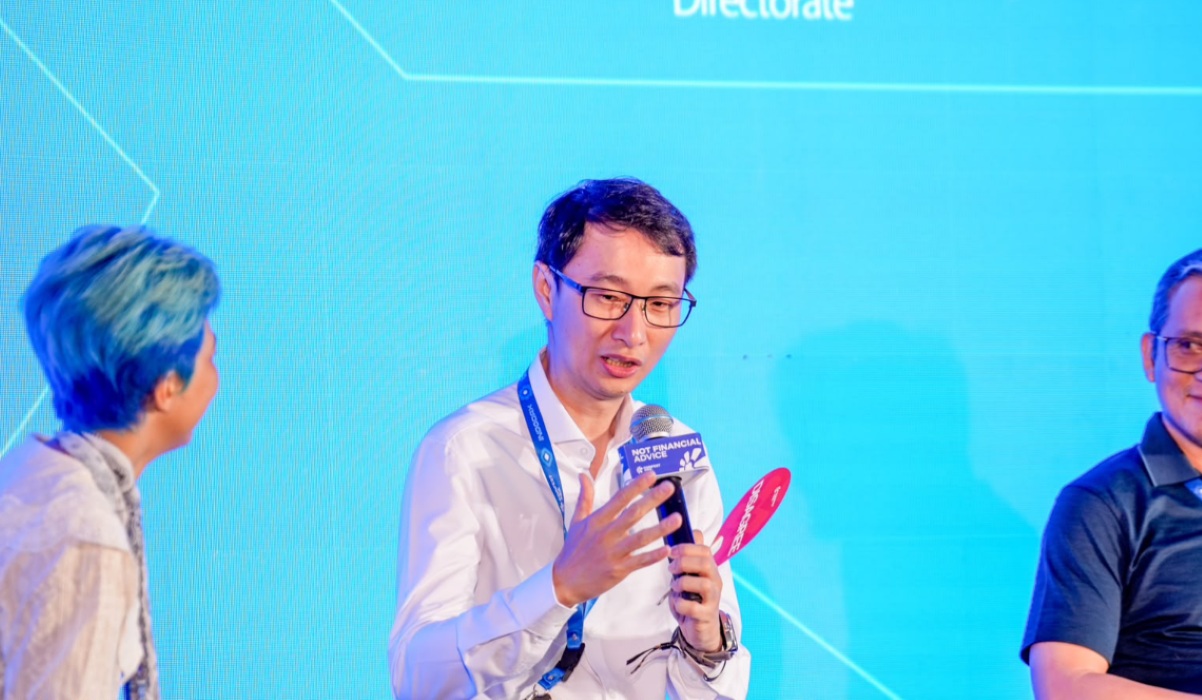
Indonesia’s crypto asset industry has entered a new chapter with user numbers reaching 22.69 million as of June 2026. At the Coinfest Asia 2026 forum in Bali, stakeholders affirmed that the industry’s focus is now shifting from mere market expansion towards building a healthy, innovative ecosystem that is welcoming to institutional investors.
Sustainable growth in this sector is believed to be achievable only if three main pillars are met: compliance, adaptive regulation, and continuous innovation. Indodax Co-Founder Oscar Darmawan stressed that regulatory compliance is the ‘entry ticket’ for institutions to enter the crypto industry. However, he cautioned that compliance alone is not enough to win the market.
‘Compliance is needed as a foundation for institutions to enter. But innovation must also continue. If domestic products and services become more relevant, users will have strong reasons to remain within a regulated and protected ecosystem,’ Oscar said during a Coinfest Asia 2026 panel session.
Oscar also highlighted the phenomenon of users still choosing offshore platforms due to service advantages. To stem this, he encouraged the optimisation of the OJK regulatory sandbox as a venue for testing innovations before mass launch.
Deputy Minister for Investment and Downstreaming, Todotua Pasaribu, stated that blockchain technology and digital assets play a strategic role in supporting national investment. He sees great potential for Bali to transform into a global Web3 technology and innovation hub.
‘The government builds the framework and regulators provide certainty. However, it is companies and innovators who hold the key role in building the future of this industry,’ Todotua asserted.
In line with this, Chairman of Commission XI of the Indonesian House of Representatives, Mukhamad Misbakhun, urged that digital financial sector regulations be adaptive. According to him, legal rules must not stifle technological creativity, but rather strengthen the ecosystem through cross-authority collaboration and human resource development.
From a market perspective, Indodax Vice President of Business Development James Eugene explained that the crypto asset listing process is now far more selective. The determining factors for a project’s sustainability are no longer merely trends, but liquidity, utility, and the ability to create market fit.
‘Market share and liquidity are indeed important. But ultimately, the quality of the project and its ability to provide real solutions will determine the sustainability of the ecosystem,’ James said.