
Three Main Drivers Behind Rupiah Hitting Rp17,900, From Middle East Geopolitics to Fed Signals
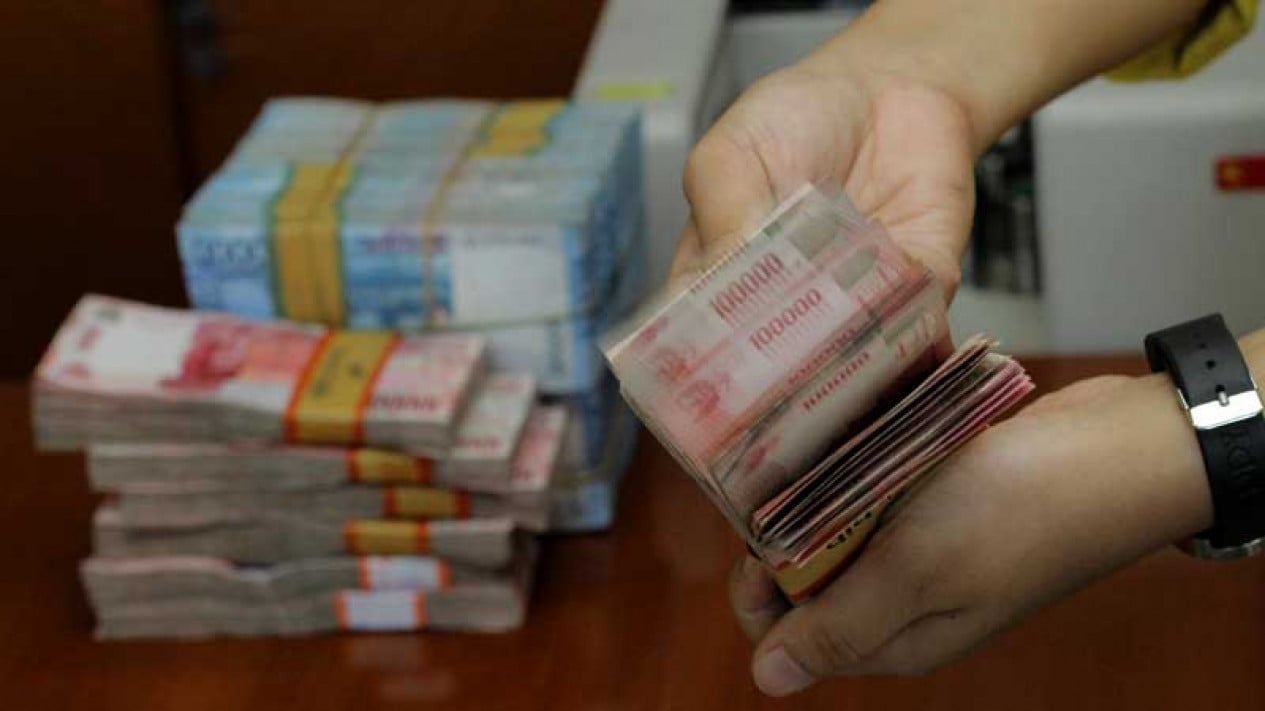
The Rupiah exchange rate has come under scrutiny once again after weakening to breach the psychological level of Rp1D17,900 per US Dollar. This movement has triggered concerns among market participants, as it reflects pressures originating not only from external factors but also from complex domestic conditions.
Money market observer Ibrahim Assuaibi suggests several primary factors are causing the Rupiah’s recent depreciation. One of the largest triggers stems from escalating geopolitical tensions in the Middle East, which have driven up global oil prices and strengthened the US Dollar’s position in the global market.
“Today, the Rupiah has weakened again due to the strengthening of global crude oil, with WTI at 94.58 (US Dollars per barrel), and Brent crude oil also rising to 96.72,” Ibrahim stated in Jakarta on Wednesday, 3 June 2026.
The surge in oil prices does not exist in isolation but is exacerbated by global uncertainty resulting from the deadlock in negotiations between the United States and Iran. This condition adds pressure to market sentiment as investors tend to avoid risky assets and opt for the US Dollar as a hedge.
Furthermore, tensions between Iran and Israel have worsened the situation. The escalation of conflict in the region raises concerns regarding disruptions to the global energy supply, causing oil prices to remain at high levels. This situation subsequently impacts global inflation, particularly in the United States.
According to Ibrahim, rising energy prices have the potential to keep US inflation high. This makes the US central bank, the Federal Reserve, inclined to maintain high interest rates for a longer period. There is even an open possibility of additional interest rate hikes if inflation does not show a significant decline.
“We see that one of the US central bank officials, Hammack, stated that immediate action might be necessary if the inflation trend does not subside,” he explained. “This indicates that there is a high probability of an additional interest rate hike once in 2026,” Ibrahim added.
From a domestic perspective, pressure on the Rupiah also stems from the increased demand for US Dollars to fund energy imports, which have risen alongside global oil prices. Additionally, demand for foreign exchange has increased due to dividend payment requirements and maturing foreign debt obligations.