
Three Legacies of Gus Yahya: Key to Nahdlatul Ulama's Second Century Transformation
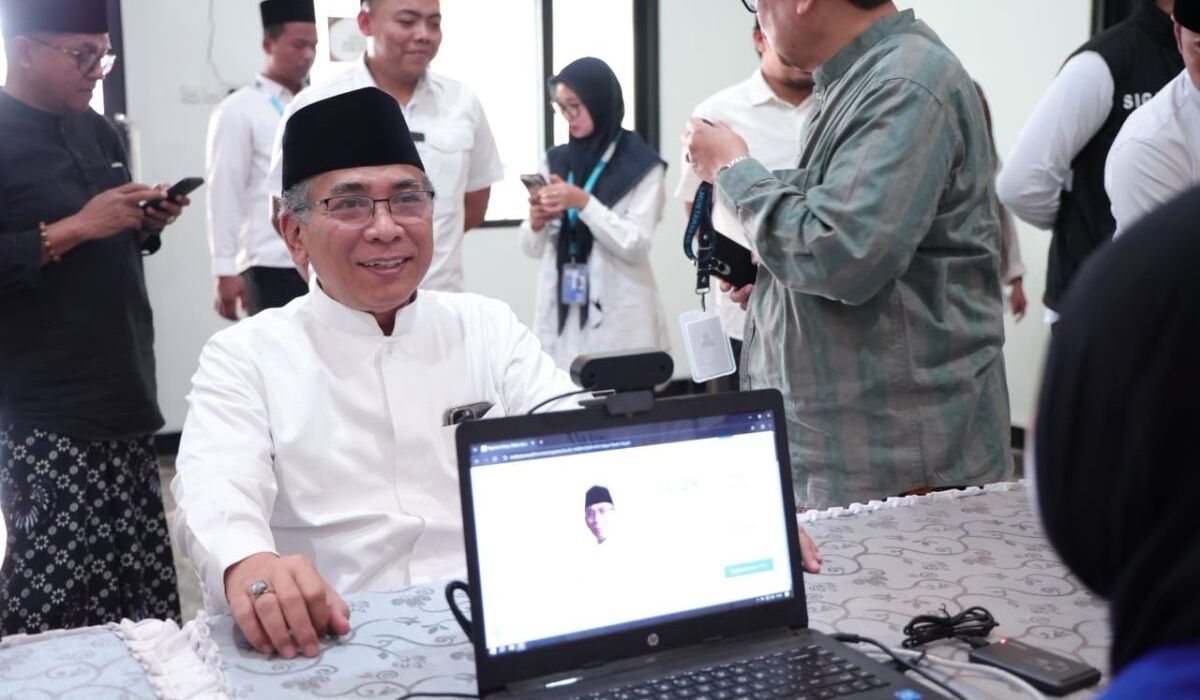
The Accountability Report (LPJ) of the Executive Board of Nahdlatul Ulama (PBNU) for the 2022–2027 term was accepted unanimously and by acclamation by all Regional Boards of Nahdlatul Ulama (PWNU) across Indonesia. This decision, made without a single note of reservation, was established during the plenary session of the 35th NU Congress held at the Tambakberas Islamic Boarding School, Jombang, on Sunday (30/08/2026).
The nearly 1,000-page accountability document was presented directly by the General Chairman of PBNU, KH Yahya Cholil Staquf (Gus Yahya), alongside the Vice General Chairman, KH Amin Said Husni. The Congress delegates expressed their highest appreciation for the solid foundation built over the past five years.
In his presentation, Gus Yahya emphasised that the leadership of NU’s second century requires continuity as well as a leap in the capacity of organisational governance. “NU is already very large, but the main challenge is how we expand NU’s capacity amidst a constantly changing world. The essence is not merely to enlarge NU, but to make NU’s greatness more capable of delivering results,” Gus Yahya asserted.
This continuity and transformation are translated through three strategic agendas that serve as the primary legacies of this PBNU period:
First, institutional strengthening. Gus Yahya emphasised the importance of transforming the social greatness of Nahdliyyin members into measurable institutional capacity. Concrete steps include the digitalisation of governance, known as ‘Digdaya NU’, the restructuring of correspondence systems, and the accountability of organisational asset management. Additionally, human resource development is being strengthened through structured, academy-based regeneration via AKN NU.
Second, maintaining the ‘Khittah Nahdliyyah’ and asserting a national political orientation. Under Gus Yahya’s leadership, PBNU has shifted its focus from short-term electoral mobilisation politics towards safeguarding long-term values of justice and public welfare. NU is positioned as a critical yet constructive partner to the state, while maintaining the organisation’s independence and moral autonomy.
Third, global engagement. PBNU has successfully transformed its global presence from being merely symbolic to providing tangible contributions. Through the concept of ‘Jurisprudence of Civilisation’ (Fikih Peradaban) and the ‘Religion of Twenty’ (R20) interfaith diplomacy forum, NU has brought the scholarly heritage of Islamic boarding schools to the world stage. This effort aims to address humanitarian crises, peace, and the management of pluralistic life at an international level.
The smooth acceptance of the accountability report proves strong internal consolidation and the immense trust placed by PWNU and PCNU across Indonesia in Gus Yahya’s leadership. The foundations of systems, regeneration, and governance laid down are set to serve as a firm footing for the continued service of Nahdlatul Ulama in the future.