
Three Key Facts About Former Ombudsman Member Charged in CPO Corruption Case
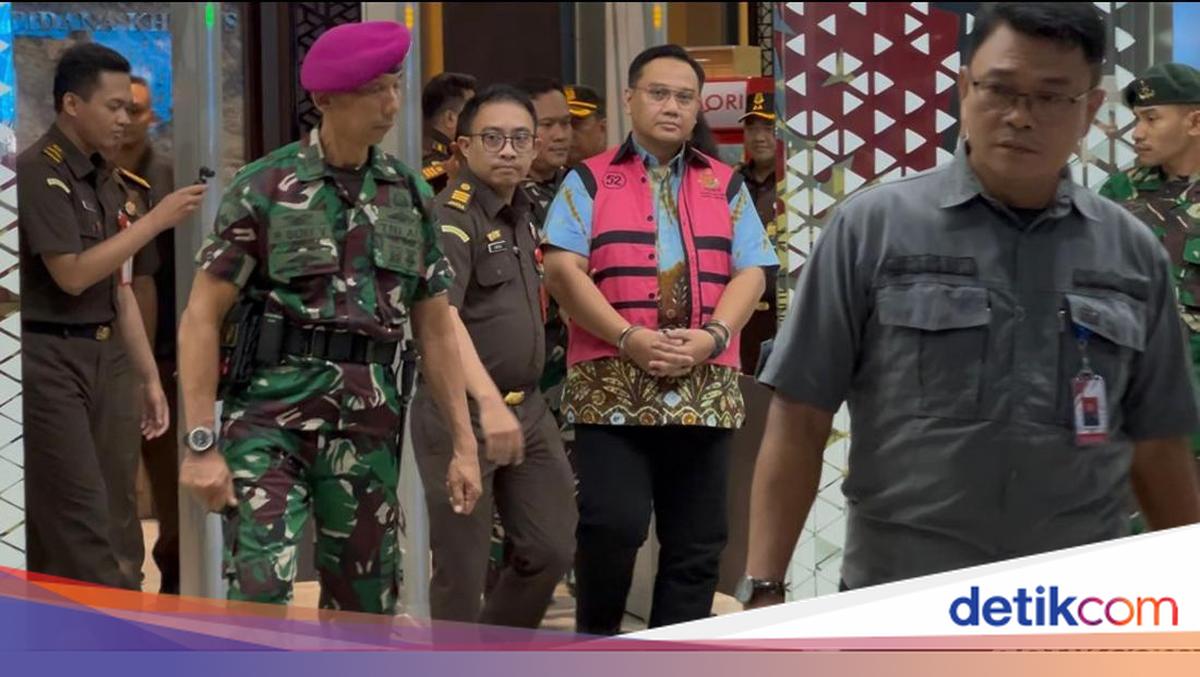
Former Ombudsman member Yeka Hendra Fatika has been named a suspect in an obstruction of justice case. He is alleged to have interfered with the investigation into corruption allegations in the management of crude palm oil (CPO).
The suspect designation was made by the Attorney General’s Office (Kejagung). Prior to being named a suspect, Kejagung conducted searches at Yeka Hendra Fatika’s office and residence on Monday, 9 March 2026.
The searches related to the corruption case in crude oil management, during which Yeka was still a Commissioner of the Indonesian Ombudsman. Yeka also underwent questioning at Kejagung on Monday, 25 May 2026, before being formally named a suspect.
Key points regarding Yeka’s suspect designation include:
- Development from Judge Bribery Case
Syarief Sulaeman Nahdi, Director of Investigation at Jampidsus Kejagung, stated that the suspect designation against Yeka stemmed from the ongoing investigation into a judge bribery case involving CPO, which previously implicated lawyer Marcella Santoso.
“Following a series of investigations and the collection of evidence, our investigative team has named Mr. YHF, a member of the Indonesian Ombudsman for the 2021-2026 term, as a suspect in this case,” Syarief said during a press conference at the Jampidsus building in South Jakarta on Monday evening, 25 May 2026.
Syarief explained that the case began in February 2022 during a cooking oil shortage. Yeka, as an Ombudsman member, initiated an investigation into alleged maladministration at the Ministry of Trade (Kemendag). However, the report materials were allegedly manipulated unlawfully.
“Mr. YHF altered the Ombudsman RI information report, which originally concerned the cooking oil shortage, into a recommendation to revoke the Domestic Market Obligation (DMO) for export interests,” Syarief said.
- Yeka Manipulated Ombudsman Report
The Ombudsman’s Investigation Report (LHP) No. 418 dated 15 August 2022 was used by corporate lawyers. Normally, the LHP should only be provided to Kemendag as the respondent. However, Yeka is suspected of leaking the document to private parties and corporate legal teams.
“The LHP was provided to Mr. MS and the AALF Legal team, which then served as the legal basis for challenging Kemendag through the State Administrative Court (PTUN) and civil lawsuits,” he added.
This manipulated Ombudsman report strategy proved successful. The PTUN and civil court rulings were used as defence arguments, leading judges to acquit three major corporations.
- Yeka Received Money from Private Parties
Investigators found evidence that Yeka received funds from PT Wilmar Group. The money was paid as compensation for manipulating the LHP, routed through third-party accounts to obscure the trail.
“Mr. YHF received funds from PT Wilmar Group via another person’s account and subsequent projects from companies within the Wilmar Group,” Syarief stated.
For his actions, Yeka faces charges under Article 21 of the Corruption Crime Law (Tipikor) in conjunction with Article 20 of Law No. 1 of 2023 on the Criminal Code (KUHP).
“The suspect will be held for 20 days at Salemba Detention Centre under the Attorney General’s Office,” Syarief concluded.
It is known that three corporations—Wilmar Group, Musim Mas Group, and Permata Hijau Group—were charged by Kejagung on 19 March 2025. Investigations revealed that the acquittals were prearranged, with suspects including judges and lawyers.
The basis for the acquittals included a State Administrative Court ruling in favour of the corporations. One key tool used was the Ombudsman RI’s recommendation that there was ‘maladministration’ in CPO export policies.
Prosecutors believe there was manipulation behind the Ombudsman’s recommendation, prompting searches at the commissioner’s office and residence over suspected involvement in the manipulation scheme.
The Ombudsman commissioner’s actions are alleged to have obstructed prosecutors’ investigations, allowing the corporations to evade legal consequences.