
Three Impacts on Consumers from the Pertamax Price Hike
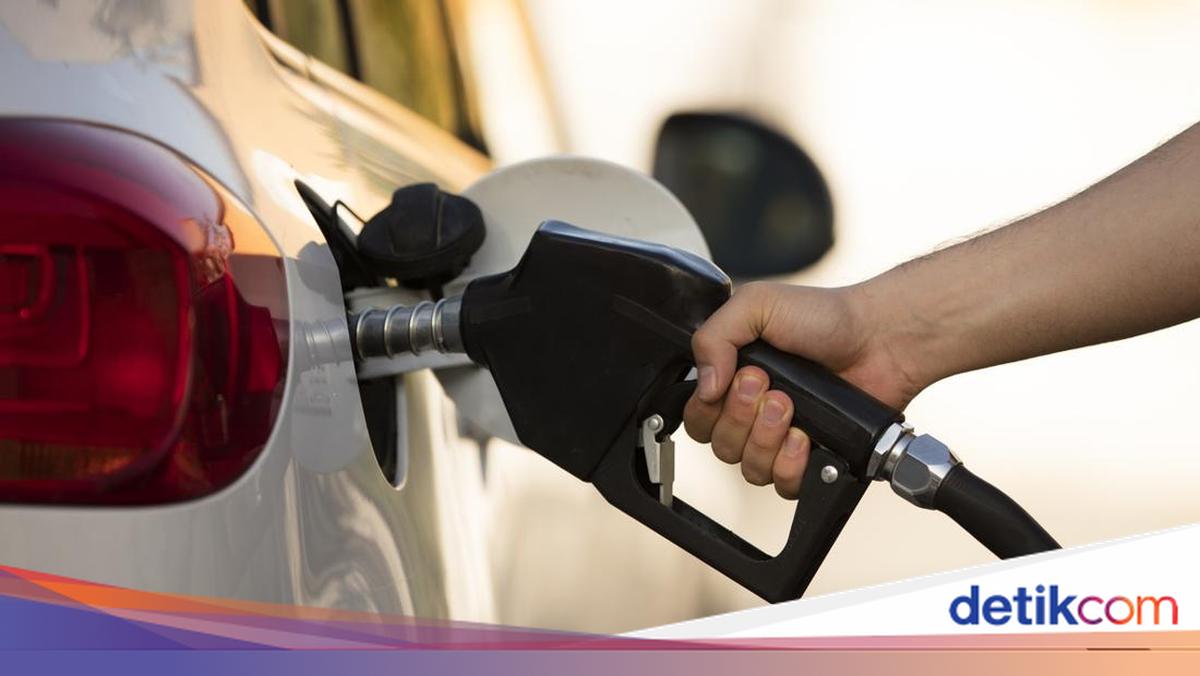
The price of non-subsidised fuel Pertamax has risen to Rp 16,250 per litre from the previous level of Rp 12,300 per litre. This price increase will have added impacts on consumers.
The Indonesian Consumers Foundation (YLKI) revealed there are three impacts consumers will feel as a result of the Pertamax price hike.
First is the potential migration of consumers to subsidised fuel. According to the foundation, the Pertamax price increase could drive some consumers to switch to Pertalite. This situation must be seriously anticipated by the Government and Pertamina to avoid a surge in demand that could lead to long queues, distribution restrictions, or even fuel shortages in several regions. ‘People who are actually entitled to obtain subsidised fuel must not end up being the most disadvantaged party,’ YLKI representative Rio Priambodo said in a written statement on Wednesday (10/6/2026).
Second is the impact on people’s purchasing power. Fuel price increases always have a ripple effect on transportation costs, goods distribution, and household expenditure. Moreover, the middle-class segment requires special attention as it is the group most affected because it does not enjoy fuel subsidies yet must bear the rising energy costs. ‘Therefore, the Government needs to anticipate the impact of inflation and maintain the stability of supply and fuel prices which underpin the community’s economic activities,’ Rio stated.
Third, the public could suffer losses due to the sudden price hike announced by Pertamina. According to him, people need sufficient time to adjust their economic decisions; a sudden price increase will cause difficulties. ‘As a product that is widely used and impacts household spending, price changes should be conveyed more transparently and provide sufficient time for consumers to adjust their economic decisions,’ Rio explained.