
Three food combinations that affect nutrient absorption
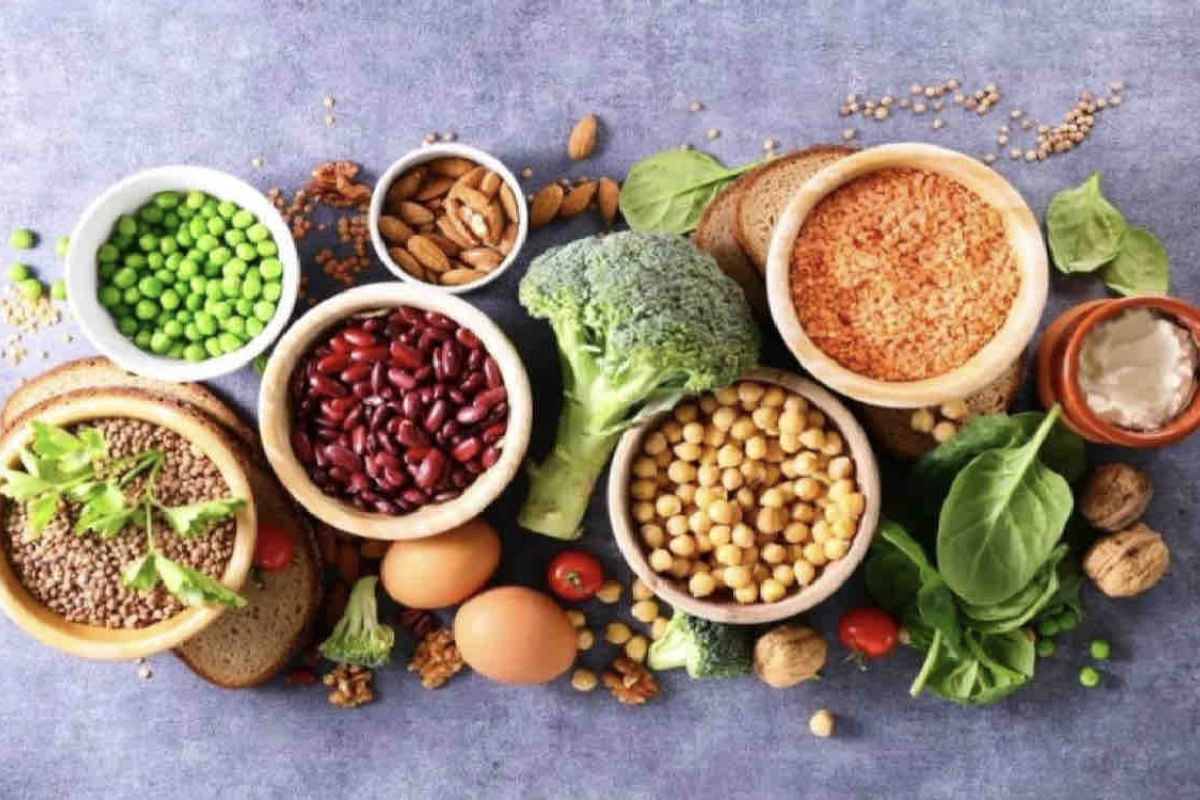
Jakarta (ANTARA) – Choosing nutritious food is not only about the type and amount consumed, but also how foods are combined. Some nutrients and natural compounds in food can help or hinder the body’s absorption of particular nutrients.
For example, vitamin C can help the body absorb iron from vegetables and pulses. By contrast, polyphenols in tea and coffee can reduce iron absorption if consumed at the same time as foods containing the mineral.
These interactions are part of nutrient bioavailability: the amount of a nutrient that the body can absorb and use. Their effects depend on the type of food, how much is consumed and a person’s health.
So which food combinations should be considered to optimise nutrient absorption? Here is an explanation.
- Iron-rich foods with fruit high in vitamin C
Combining iron-rich foods with fruit or vegetables high in vitamin C is one way to help increase absorption of the mineral.
Dietary iron is divided into two types: haem and non-haem. Haem iron is generally found in meat, fish and poultry, while non-haem iron is present in pulses, vegetables, grains and iron-fortified foods.
The body tends to absorb non-haem iron less easily than haem iron. Vitamin C, or ascorbic acid, helps improve its absorption by converting iron into a form that is easier for the body to absorb.
For this reason, foods such as tempeh, tofu, kidney beans or spinach can be paired with sources of vitamin C, including oranges, guava, tomatoes, strawberries and peppers.
For example, someone could eat stir-fried vegetables and tempeh with an orange, or add tomatoes to a bean dish.
This combination can help the body make better use of iron from plant foods, particularly for people who consume more plant-based protein.
- Iron-rich foods with tea or coffee
The habit of drinking tea or coffee after a meal should be considered, particularly when the meal is a source of iron.
Tea and coffee contain polyphenols, including tannins, which can bind to non-haem iron in the digestive tract. This interaction may reduce the amount of iron the body absorbs.
This is worth bearing in mind when eating foods such as pulses, leafy green vegetables or iron-fortified cereals.
This does not mean tea and coffee must be avoided altogether. People seeking to optimise iron absorption can leave a gap between eating and drinking these beverages.
As a practical step, tea or coffee can be consumed outside mealtimes rather than alongside an iron-rich meal. This is particularly relevant for people at risk of iron deficiency or receiving treatment for anaemia on the advice of a health professional.
Another combination to consider is iron-rich food with foods or drinks high in calcium, such as milk, cheese and yoghurt.
Calcium is known to affect the absorption of both haem and non-haem iron. However, the extent of its effect in everyday diets varies and may depend on the overall composition of a meal.
For example, someone trying to increase their iron intake from pulses, meat or vegetables could consider not taking a calcium supplement at the same time without guidance from a health professional.
That said, milk and dairy products do not need to be avoided when eating iron-rich foods. Calcium remains an important mineral for bone health and the body’s functions. A varied and balanced diet is more important than eliminating any particular food group.
A distinction should also be made between calcium from food and calcium supplements. For people taking iron and calcium supplements, a health professional may recommend taking them at different times to reduce the likelihood of interactions affecting absorption.
Why should food combinations be considered?
Nutrient absorption is not determined only by the nutritional content of an individual food. The body is also affected by interactions between the components of foods eaten at the same time.
For example, iron absorption depends on its source and the composition of a meal. Iron from animal foods is generally more easily absorbed than iron from plant sources.
In addition, phytates found in whole grains, pulses and some seeds can inhibit the absorption of iron, zinc and certain other minerals. Vitamin C, meanwhile, can help increase the absorption of non-haem iron.
These interactions do not mean that people should avoid particular foods. Their effects depend on the amount consumed, dietary variety and each individual’s nutritional needs.
The following habits can help the body get the most from nutrients in everyday meals.
- Pair iron sources with vitamin C
Add tomatoes, oranges, guava or other fruit rich in vitamin C when eating pulses and leafy green vegetables.
- Time tea and coffee consumption
Avoid drinking them with main meals that are sources of iron, particularly if you are at risk of iron deficiency.
- Vary sources of protein and minerals
Combine meat, fish, eggs, pulses, vegetables and dairy products according to the body’s needs.
- Do not eliminate particular food groups
Tea, coffee, milk and foods high in phytates can still form part of a balanced diet. The key is to consider variety and timing.
- Consider supplement requirements
If taking iron, calcium or other mineral supplements, consult a doctor or health professional about the timing and dosage.
Ultimately, food combinations can affect how well the body absorbs nutrients. Pairing iron sources with vitamin C and considering the timing of tea, coffee and calcium sources are among the steps that can help optimise nutrient intake.
Nevertheless, no single food combination needs to be followed every day. A varied, balanced diet that meets the body’s needs remains the foundation of good health.