
Three Fasting Guidelines for People with Diabetes That Can Improve Insulin Sensitivity
Engaging in Ramadan fasting for people with diabetes is not merely a religious obligation but also a medical instrument for improving the body’s metabolic system. An internist and consultant in endocrinometabolic diabetes at Eka Hospital BSD Tangerang, Prof. Hari Hendarto, revealed that fasting undertaken in the correct pattern yields a significant positive impact on the hormonal system.
One of the main benefits of fasting for people with diabetes is an increase in insulin sensitivity. In a fasting state, body cells become more responsive to the insulin hormone. This enables glucose or blood sugar to be managed more effectively by the body, which in turn helps to stabilise blood sugar levels naturally.
Additionally, regular fasting can gradually improve average blood glucose levels or HbA1c.
This benefit is also accompanied by healthy weight loss, particularly the reduction of visceral fat (belly fat) that has long been a major adversary in managing type 2 diabetes.
The benefits of fasting do not stop at blood glucose control. Prof. Hari explains that fasting also helps to reduce blood pressure and improve lipid profile.
The combination of stable blood sugar, maintained weight, and improved cholesterol profile dramatically reduces the risk of cardiovascular complications or heart disease in people with diabetes.
Although beneficial, not all people with diabetes are allowed to fast without supervision. The majority of people with type 2 diabetes with controlled blood glucose are permitted to fast, but the final decision must always be based on medical advice and monitoring.
Here are medical guidelines to safeguard safety during fasting:
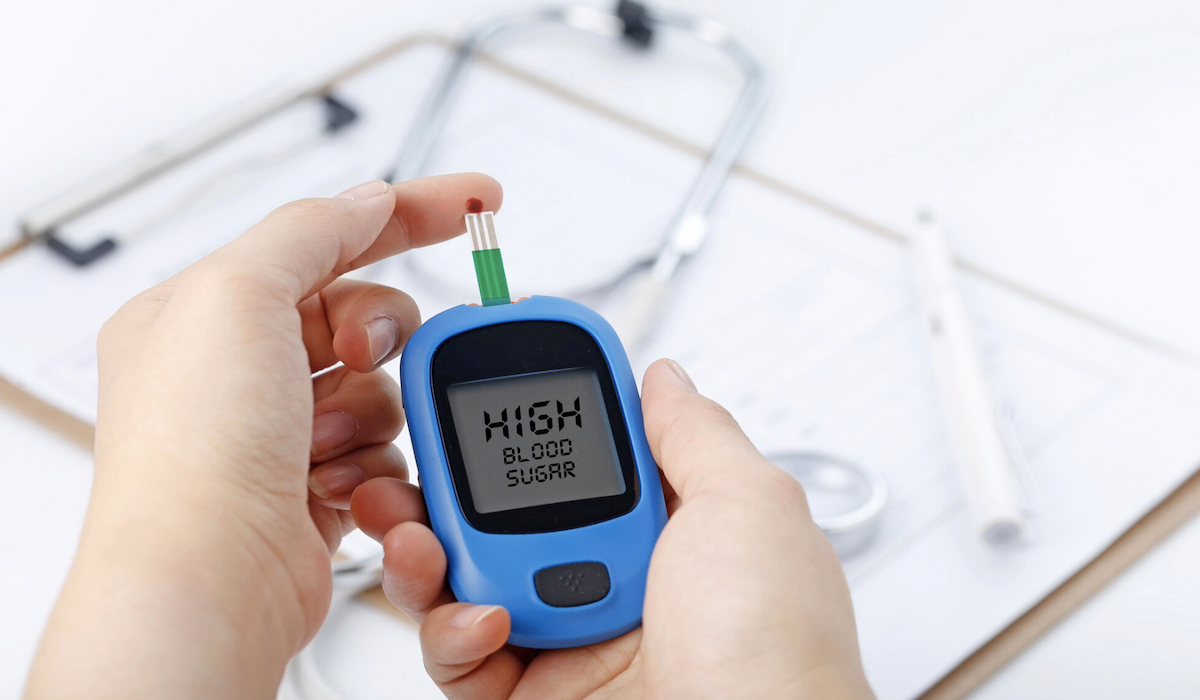
It is strongly advised to perform regular blood glucose tests in the morning, afternoon, and evening. It should be noted that finger-prick blood glucose testing does not break the fast according to medical or religious fatwas.
To prevent dehydration that can worsen kidney conditions, adopt the 2-4-2 hydration pattern:
Life safety is the priority. Stop fasting immediately if:
Nutritional choices are key to energy stability during fasting. At sahur (pre-dawn meal), focus on complex carbohydrates such as brown rice, whole grains, and vegetables that release sugar slowly, complemented by high-quality protein to sustain satiety longer.
At iftar (breaking the fast), avoid the ‘revenge eating’ phenomenon. Start with water and a maximum of 1-3 dates. Avoid excessive consumption of fried foods and sweet kolak. Eat gradually so the pancreas is not startled.
Important: Never adjust medication or insulin on your own. Typically, doctors will recommend reducing the medication dose at sahur to prevent hypoglycemia during the day, and adjusting the dose at iftar.
People with type 1 diabetes, patients with kidney failure, or pregnant women with diabetes require special assessment by a doctor before deciding to undertake fasting.