
Three Factors That Determine the Quality and Flavor of a Cup of Tea
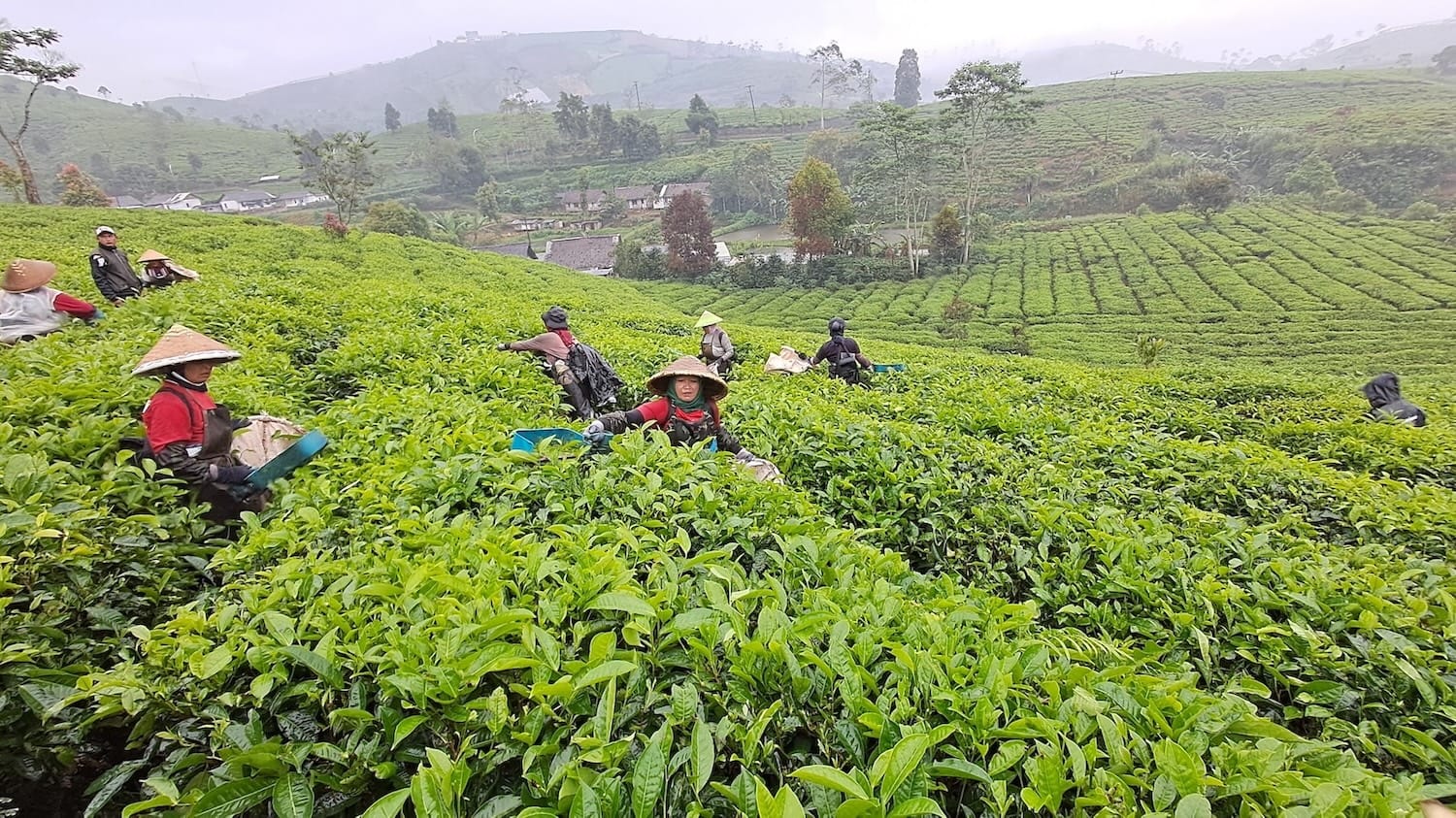
Tea has long been part of Indonesian culture. Serving tea to guests is a symbol of hospitality that is woven into the daily lives of many Indonesian families.
The National Socio-Economic Survey (Susenas) conducted by Badan Pusat Statistik (BPS) for 2023–2024 shows that tea is the second most consumed beverage in Indonesia after plain water.
Tea consumption habits are also reflected in Roy Morgan’s Single Source Indonesia research, which shows tea is one of the household’s regular needs and is available in 95%–97% of family kitchens. This demonstrates that tea is not only a daily beverage but also a cross-generational habit.
Not all tea is processed in the same way. In the world of tea, quality is not only determined during processing, but is formed from the moment the young leaves are on the plantation.
Location of the Plantation
According to the Food and Agriculture Organization (FAO), factors such as elevation, air temperature, rainfall, and humidity influence the growth of the tea plant and the flavour profile it produces. Plantations at highland elevations with cooler temperatures generally yield leaves with slower growth and character with a more distinctive aroma.
“In the tea industry, slower growth is considered ideal because it gives the plant more time to form natural compounds such as polyphenols, amino acids, and essential oils. These compounds play a role in creating a rich aroma, deeper layers of flavour, and a smooth brew character,” said Devyana Tarigan, Head of Marketing Communications & Public Relations for PT Sinar Sosro Gunung Slamat, as quoted in a press release on Wednesday (20/5).
Fog in the mountainous areas helps filter exposure to direct sunlight, allowing the plants to develop more optimally without producing a sensation that is too sharp when consumed.
Understanding these natural processes is a foundation that must be protected by tea producers who own their own plantations, such as Sosro. As a ready-to-drink and bottled tea company—the first in Indonesia and the world—Sosro maintains consistent tea raw material standards from the plantation.
The selection of tea farms in several highland areas of West Java, from Cukul in Pangalengan, Neglasari in Garut, Gunung Satria and Sambawa in Tasikmalaya, to Gunung Manik, Gunung Rosa Djaya, and Gunung Cempaka in Cianjur, was made because these areas have cool temperatures and humidity that support the growth of high-quality young tea leaves.
“Producing tea with a consistent flavour also requires human meticulousness in determining which young tea leaves to pick, when the best time to pick is, and how the young leaves should be treated after picking so that they meet the standards for processing,” said Devyana.
Harvesting Process
Young tea leaves are the most carefully guarded because they contain the best flavours. Therefore, the harvesting of Sosro’s tea raw material is carried out by skilled workers manually and with battery-powered harvesting machines that are environmentally friendly while maintaining the quality of the tea leaves that are suitable for processing and protecting the health of the tea plants so that productivity remains high.
After picking, the young tea leaves cannot be left for too long before processing. Exposure to temperature and air can alter the aroma profile and freshness of the leaves, so the speed of handling becomes an important part of maintaining quality. Therefore, the process from the plantation to processing must operate in a connected system so that the quality of the young tea leaves is preserved from the outset.
Long Process
True tea quality never emerges from rushed processes. At Sosro, every drop of tea enjoyed by the public is the result of a long process that has been guarded from the source, from cultivation, picking, processing, to finally reaching the consumer.
Through this approach, Sosro aims to continue presenting the goodness of tea in everyday moments, in line with the Tea is Good spirit that has become part of the journey of tea across generations. This underpins the various Sosro products, from Tehbotol Sosro, Fruit Tea Sosro, Sosro Teh Celup, to Sosro Heritage. (H-2)
Copyright @ 2026 Media Group - mediaindonesia. All Rights Reserved