
Three Energy Transition Sectors to Drive Indonesia's Investment, Here Are the Prospects
The government is encouraging the development of energy transition-based investment to strengthen Indonesia’s economic growth. At least three sectors are identified as having significant prospects: electrification, cleaner downstreaming, and the development of biofuels.
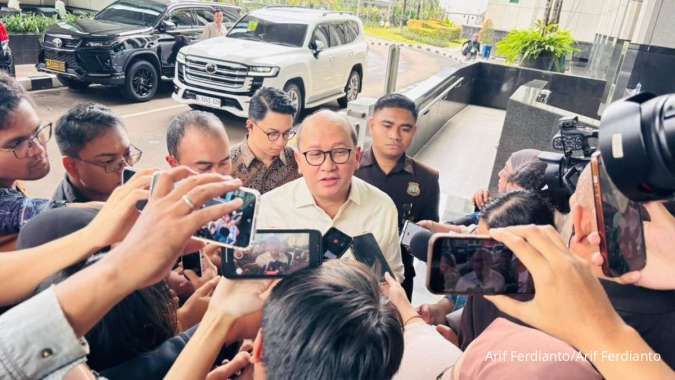
The Minister of Investment/Head of BKPM and CEO of the Daya Anagata Nusantara Investment Management Agency (BPI Danantara), Rosan Roelyani, stated that Indonesia holds a strategic position in the global energy transition. This position is supported by abundant critical mineral resources, such as nickel, bauxite, copper, and various other essential minerals required for the development of clean energy technologies.
According to Rosan, the government is also building an integrated ecosystem that connects the mining, processing, manufacturing, clean energy, and technology sectors through a downstreaming strategy. “This is how added value and better employment are created. The results are now becoming increasingly tangible,” said Rosan at the Indonesia International Sustainability Forum 2026 in Kempinski Jakarta, Tuesday (6/10/2026).
He added that BKPM recorded Indonesia’s investment realisation reaching over US$ 120 billion throughout 2025. This figure grew by 12.7% year-on-year and created more than 2.7 million jobs. Rosan noted that the downstreaming industry now contributes approximately 30% to total national investment, with growth continuing from both domestic and international investors.
He explained that there are three main sectors currently most prominent in energy transition-related investment developments: electrification, cleaner downstreaming, and biofuel development.
Electrification
Rosan stated that investment in the electrification sector continues to grow and covers various parts of the industrial chain, from mining and battery cell production to electric vehicles (EV). “Indonesia currently has battery cell production facilities through collaborations with Hyundai, as well as CATL (Contemporary Amperex Technology Co., Limited) and IBC (Indonesia Battery Corporation), our state-owned enterprise. Production has been operating gradually since August,” he said.
In the electric vehicle sector, Rosan revealed that approximately one in six new cars sold in Indonesia is currently a battery electric vehicle (BEV). Of that number, about two-thirds of the electric vehicles are also assembled domestically. This condition indicates the formation of a national EV industry ecosystem and opens further investment opportunities in its supply chain.
Cleaner Downstreaming
The second sector of government focus is downstreaming using cleaner energy sources. Rosan explained that the next stage of downstreaming industry development will be heavily determined by the energy sources used to run smelters and processing facilities.
Solar, hydro, geothermal, and energy storage technologies are considered to have significant investment opportunities to support these industrial needs. Indonesia is estimated to have a renewable energy potential of almost 3,700 gigawatts (GW). However, current utilisation is less than 1%, or approximately 15.4 GW.
“The 100 GW solar power plant (PLTS) development programme launched by the President in August provides a national scale for renewable energy development,” said Rosan. He noted that large-scale renewable energy capacity development will be a crucial element in ensuring the downstreaming process operates with lower emissions.
Biofuel Development
The third investment opportunity comes from the optimisation of biofuels. Rosan mentioned that Indonesia has increased biodiesel utilisation through the implementation of 50% biodiesel, or B50. In addition to biodiesel, the government is also preparing the development of other low-emission fuels. Regulations have mandated a 5% ethanol blend for non-subsidised petrol across Java. The government is also preparing the implementation of sustainable aviation fuel (SAF), which is set to begin in 2027.
Energy Transition and the Digital Economy
Rosan also highlighted investment opportunities arising from the intersection of the energy transition and the development of the digital economy. He noted that the advancement of artificial intelligence (AI) technology will increase the demand for supporting infrastructure, ranging from power supply, transmission networks, and industrial land to connectivity and digital infrastructure.
“In other words, the future of AI will be linked to infrastructure. Indonesia possesses the market scale and geographical position to become a primary destination for digital infrastructure in Asia,” concluded Rosan.
Source: jawawa.id (https://jawawa.id/newsitem/three-energy-transition-sectors-to-drive-indonesias-investment-here-are-the-prospects-1791301922)
Originally published by nasional.kontan.co.id (https://nasional.kontan.co.id/news/tiga-sektor-transisi-energi-jadi-andalan-investasi-indonesia-ini-prospeknya), translated from Indonesian