
Three Decades of Reform: Ibas Highlights the Importance of Development Continuity
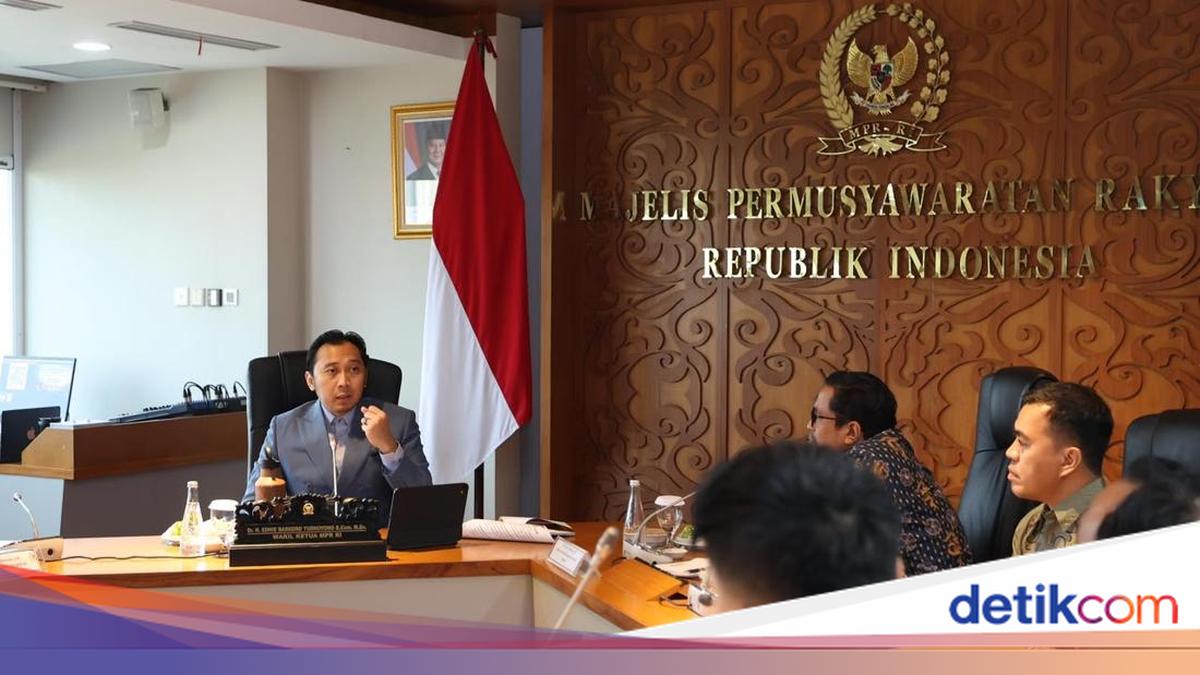
The Deputy Speaker of the MPR RI and Chairman of the Democratic Party Faction in the DPR RI, Edhie Baskoro Yudhoyono (Ibas), has invited all elements of the nation to reflect on the three-decade journey of reform. This reflection is deemed essential to ensure that the constitutional system is capable of addressing the challenges of moving towards ‘Indonesia Maju 2045’.
Ibas conveyed this message during a discussion with PUSaKO of Andalas University at the Parliament Complex, Jakarta, on Tuesday (15/09). The meeting specifically discussed the findings of the Ninth National Constitutional Law Conference (KNHTN) titled ‘Three Decades of Constitutional Performance Post-Reform’.
Ibas assessed that reform has brought fundamental changes to the constitutional landscape. However, these achievements need further scrutiny to ensure that power truly produces justice for the people.
“The constitution is not merely a legal text. The constitution is the direction and compass of national life that determines how power is exercised, how the people are protected, and where this nation is headed,” Ibas stated in his remarks on Wednesday (16/09/2026).
He also highlighted the importance of long-term development directions to prevent stagnation. Crucial sectors such as education, health, food security, and digital transformation are considered to be in great need of continuity.
“We certainly want to achieve Indonesia Maju 2045. Therefore, we need to consider how long-term development can continue to progress beyond every period of leadership and political change,” said Ibas.
Ibas emphasised that discussions regarding the future of Indonesia’s constitutional framework should not be limited to a space for the government or political parties. Universities, academics, and civil society must be actively involved.
“We should be grateful that today we are still free to think and express various things openly. With the intelligence and education we possess, we can criticise the nation’s journey while simultaneously contemplating Indonesia’s future,” he said.
In this context, discussions regarding the State Policy Guidelines (PPHN) must be conducted with extreme caution. A comprehensive study is urgently needed before proceeding further with the establishment of such policies.
“If a constitutional foundation is required, it must be carefully considered. Likewise, who will draft those guidelines and what the MPR’s mandate will be in the process. All of this requires in-depth study and broad participation,” he added.
During the same session, the Director of PUSaKO Andalas University, Charles Simabura, also highlighted the sustainability of development directions amidst the dynamics of power transitions. “Political configurations provide no guarantee that their legal products will be able to be maintained,” noted Charles.
The Deputy Speaker of the MPR RI Study Body, Benny K. Harman, added that the constitution essentially already serves as the state’s guidelines. He argued that these principles simply need to be implemented consistently.
“The problem with our nation so far is not due to the absence of PPHN,” stated Benny.
Member of Commission III of the DPR RI, Hinca Panjaitan, viewed this constitutional issue as being closely aligned with the Democratic Party’s agenda to advance the economy and safeguard democracy. The greatest challenge now focuses on the equitable distribution of growth.
“With a State Budget (APBN) of approximately Rp4,000 trillion, our challenge is how to ensure that the increasing expectations of the community can be well-addressed. The public is becoming more intelligent and receives information more rapidly. Therefore, improvements in welfare must also be felt collectively,” explained Ibas.
He emphasised that all discussions regarding the constitution, democracy, and development directions must culminate in the same goal.
“We want democracy to remain high-quality, governance to be effective, the rule of law to be upheld, and development to be continuous. The younger generation must be able to participate in and enjoy the fruits of development. Ultimately, all these efforts must lead to more equitable welfare,” he asserted.
Ibas also invited all elements of the nation to continue building productive dialogues to find the best national design for the future.
“We must build everything together so that Indonesia becomes increasingly advanced and prosperous,” concluded Ibas.