
Three Conditions to Prevent Prabowo's 'Benteng Policy' from Failing
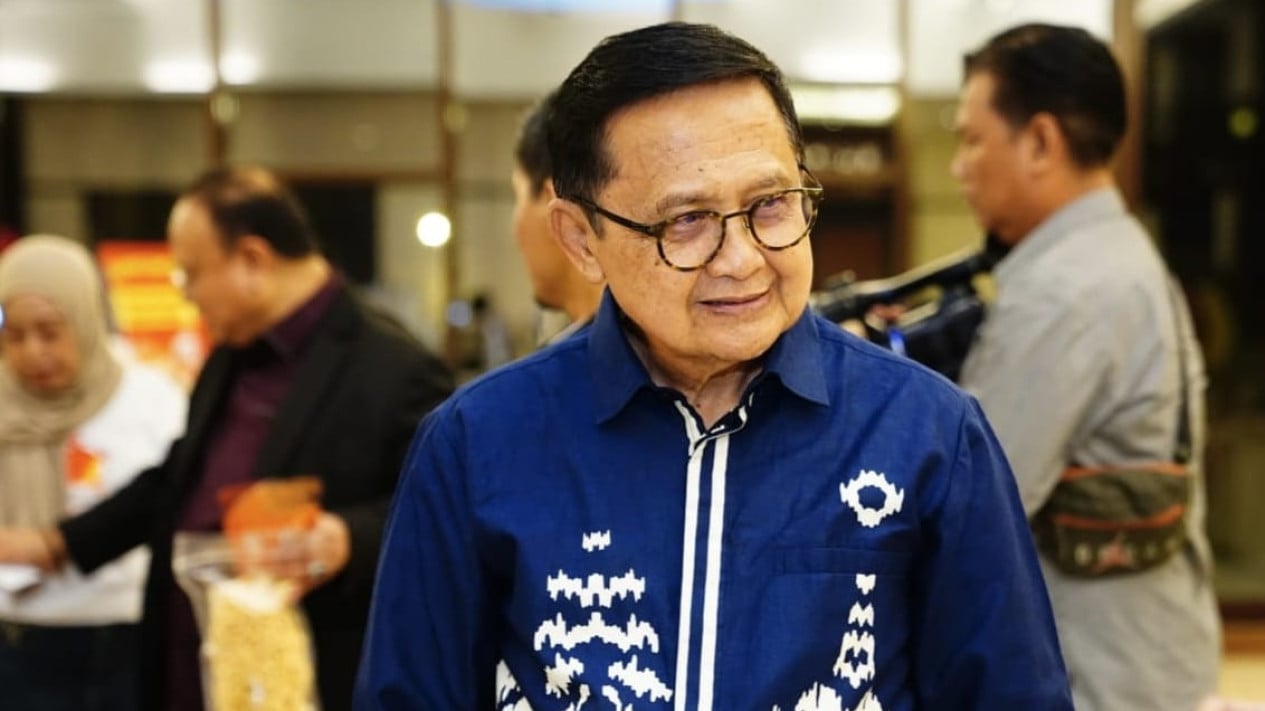
President Prabowo Subianto is reportedly championing an economic policy that references the ‘Benteng Policy’ of his father, Soemitro Djojohadikusumo. The policy aims to build the economic resilience of the people and elevate the class of indigenous Indonesian entrepreneurs.
However, the Chairman of the Expert Council of the Indonesian Indigenous Entrepreneurs Association (Asprindo), Didin S. Damanhuri, has warned that without strict governance and oversight, this policy could repeat the failures of the past. ‘This was based on Indonesia’s conditions at the time, where indigenous entrepreneurs had micro-businesses. Meanwhile, large businesses were controlled by big entrepreneurs from the Dutch colonial legacy,’ said Didin.
Didin explained that this inequality was rooted in the Dutch era. An economic structure existed that allowed ‘inlanders’ only to run retail businesses in villages, with ethnic Chinese at the intermediate level and European companies at the top. When Soemitro became Minister of Trade and Industry, he launched the Benteng Policy. The core of the policy was to grant special import licences to elevate the class of indigenous businesspeople.
However, the practice deviated. ‘It was called the Ali-Baba scheme. Ali represented the indigenous person who was given the licence, and they sold it to the Baba. The Baba connotation referred to entrepreneurs of Chinese descent. And that was the majority,’ he revealed. Out of hundreds of licences, only a handful succeeded. Didin named figures like Tumpal Pardede, Hasyimning, and GKBI. ‘At that time, there were only seven people, and it was eventually disbanded. It was not continued because it caused massive corruption,’ he said. The Coordinating Minister for the Economy at the time was dismissed. ‘So, it can be said that the first mega-scale corruption in the republic occurred then,’ he stressed.
During the Sukarno era, the policy of nationalising foreign state-owned enterprises also became a ‘free-for-all’ due to the absence of mechanisms. In the New Order era, the Benteng Policy was revived through Presidential Decree 14A. Government spending was prioritised for indigenous businesses. The results were better, giving rise to conglomerates such as Bakrie, Fadel Muhammad, Jusuf Kalla, and Aksa Mahmud. The economy grew by 7.5 per cent, and the Gini ratio was 0.32. Unfortunately, it collapsed during the 1998 crisis. IMF conditions forced privatisation of state-owned enterprises and the removal of protections. ‘What happened in the end was a transfer of wealth from the state to the private sector. The private sector swelled enormously,’ said Prof Didin.