
Threat to State Revenue, Purbaya Reveals Under-Invoicing and Transfer Pricing Schemes in Natural Resource Exports
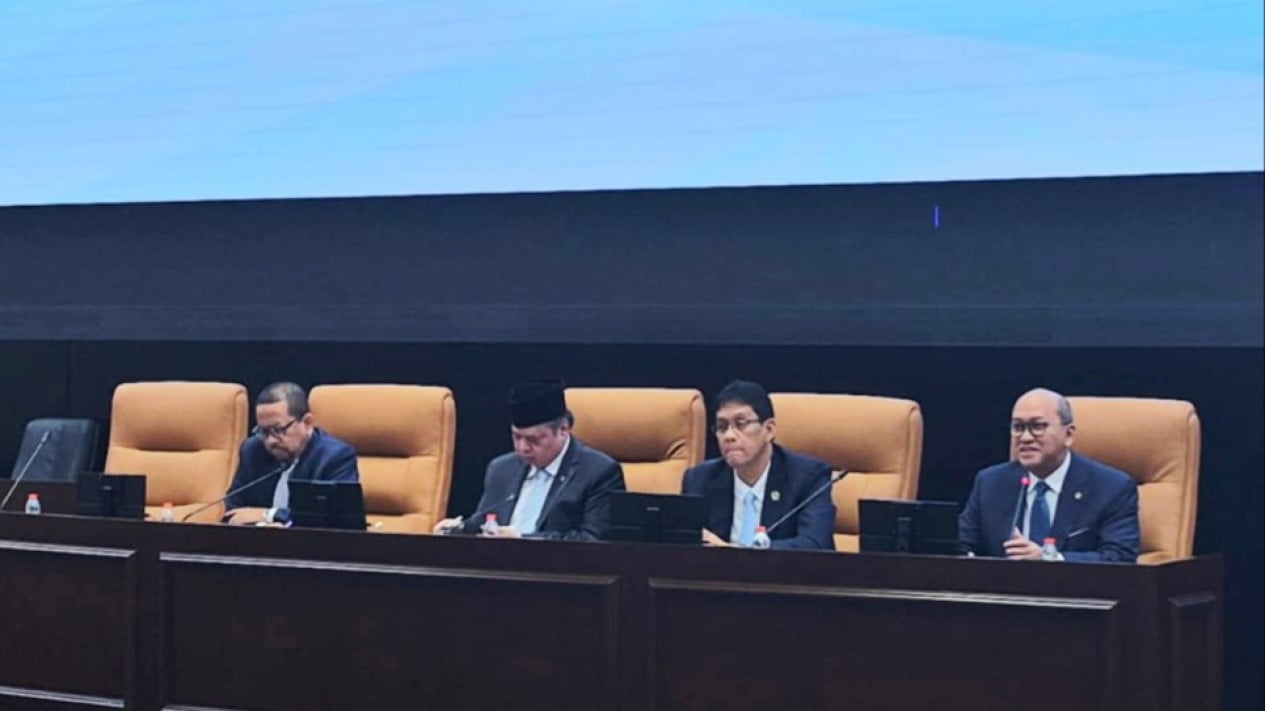
Jakarta, VIVA – Finance Minister Purbaya Yudhi Sadewa is convinced that the formation of PT Danantara Sumberdaya Indonesia (DSI) as a Special Export State-Owned Enterprise could increase state revenue. According to him, the governance policy for natural resource exports will benefit the country because it can curb practices of under-invoicing that have long caused revenue leakage.
‘I’m the Finance Minister, so I want profit sharing or input costs from the export tax that align with what is done,’ Purbaya said at a press conference at the House of Representatives in Senayan, Jakarta, on Wednesday, 20 May 2026.
He explained that the formation of DSI began from government findings related to alleged underinvoicing and transfer pricing in exports of natural resource commodities. He said President Prabowo has highlighted the issue several times in cabinet meetings, as it is believed to cause Indonesia to lose potential state revenue in large amounts.
As a follow-up, Purbaya said he visited the National Single Window (NSW) under the Ministry of Finance to trace export-import data. However, he admitted not obtaining adequate responses regarding the alleged manipulation of export prices.
Therefore, the Ministry of Finance formed a special team that uses artificial intelligence (AI) technology to conduct investigations. Purbaya asked the team to trace the export shipments of crude palm oil (CPO) from 10 companies at random. Each company was selected for three shipments to compare their export price data.
From the tracing, the government found a pattern of Indonesian companies selling the commodity to their subsidiaries in Singapore, before ultimately sending it to the United States. The physical shipments are made directly from Indonesia to the US, but the transaction documents are first manipulated via Singapore.
The government then used US import data obtained through international data providers to compare Indonesian export prices with selling prices in the destination country. The results showed that the price of the commodity sold to the US could be up to double the price of exports from Indonesia to Singapore.
‘The ship is the same, the volume is the same, but the price is different,’ said Purbaya.
According to him, the findings indicate the government potentially loses around half of the potential revenue from the export sector of commodities. Similar practices were also found in coal exports to India, through transfer pricing patterns among affiliated companies. As a result, company profits in Indonesia are recorded as small or even losses, affecting the government’s income tax revenue.