
Threat of Economic-Ecological Crisis: Corporations Must Be Human Rights-Based
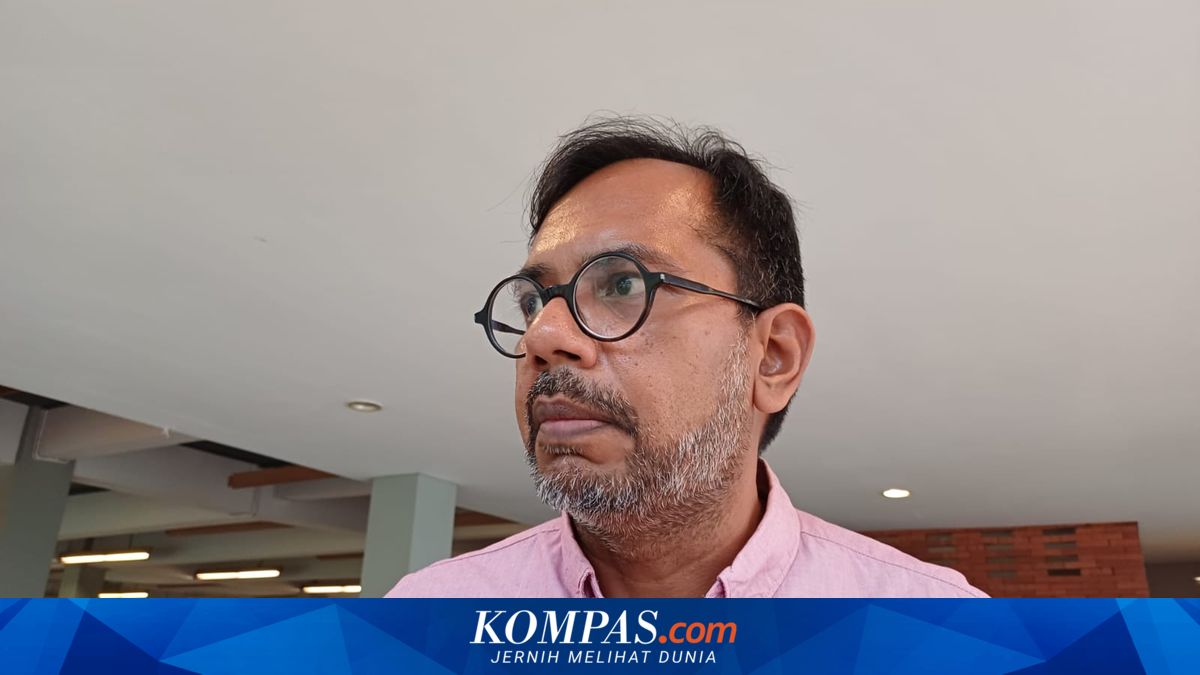
JAKARTA, KOMPAS.com - The threat of economic and ecological crises requires the application of Human Rights (HAM) principles in conducting business. Lawyer and Founder of Haris Azhar Law Office, Haris Azhar, states that fulfilling human rights standards is currently a global trend. Advanced countries such as France, Japan, South Korea, and Germany require corporations to comply with human rights principles. “Regulations related to human rights are no longer just indicators or mere formalities. This is a mandatory global corporate standard that must be fulfilled,” said Haris during the Indonesia Business and Human Rights Outlook 2026 discussion in Jakarta on Wednesday (29/4/2026). According to Haris, all parties should no longer debate the reasons why business and human rights fulfilment are important issues. Instead of arguing, Indonesia should build a business governance system that is safe for its people. “To mitigate the real adverse impacts on society,” said Haris. The Business and Human Rights (BHR) Outlook encourages changing the rules on human rights fulfilment from voluntary to obligatory. Companies must identify, mitigate, prevent, and take responsibility for the impacts of business on human rights and the environment. The document also views that in the future, corporations must be required to place disasters as a core risk variable in their business. “To ensure that business operations do not worsen the impact of disasters on environmental carrying capacity and surrounding communities,” said Haris. The issue of fulfilling human rights and the environment in business is also highlighted by the Chairman of Commission XIII of the DPR RI, Willy Aditya. He mentions the phenomenon of the “resource curse” occurring in areas rich in minerals such as Morowali, North Maluku, and Manado. In North Maluku, for example, economic growth data has surged to 35 percent, driven by the nickel mining sector.