
Threat of Ancient Bacteria: Could Melting Glaciers Trigger a New Pandemic?
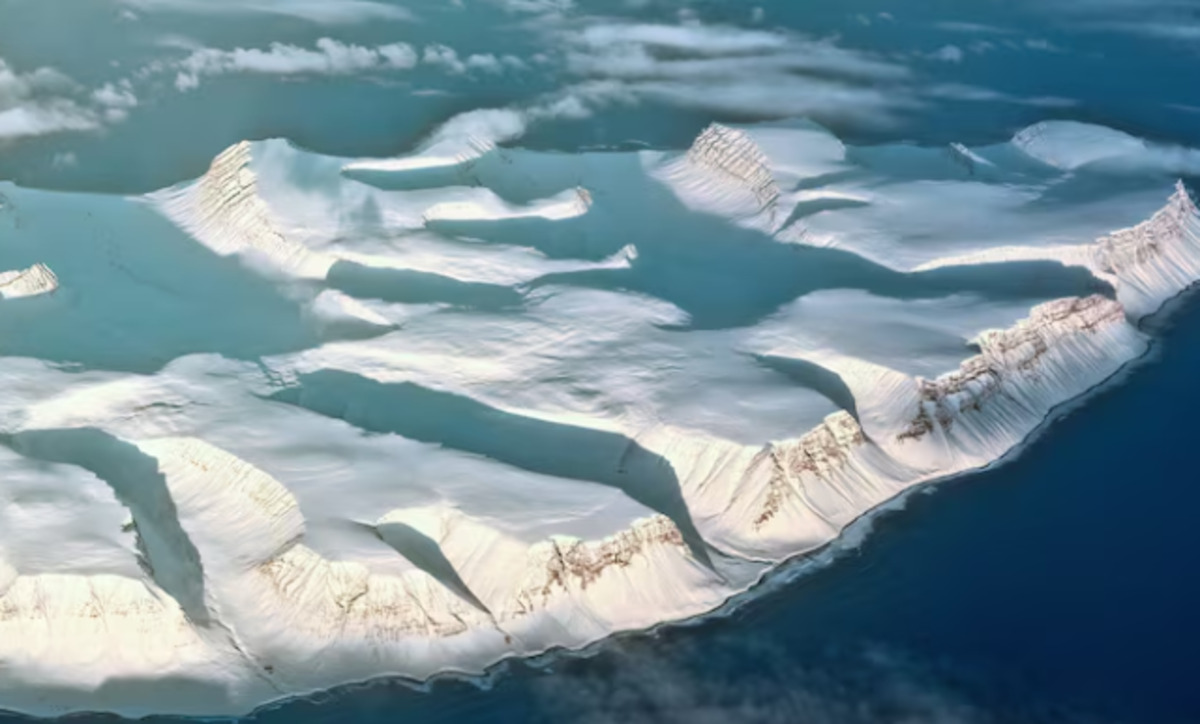
The phenomenon of global climate change is not only impacting sea levels but also triggering serious concerns in the field of public health. One of the most widely discussed issues is the potential emergence of new diseases caused by the melting of permaverfrost and glaciers, which store microorganisms or ancient bacteria.
Scientifically, this concern is not merely science fiction. Ice layers act as highly effective natural “time capsules”. The cold, dark, and oxygen-free conditions within the ice allow bacteria, viruses, and fungi to survive in a dormant state for thousands to millions of years.
As Earth’s temperature rises, permafrost layers that were previously permanently frozen are beginning to melt. This process exposes ancient soil layers to the modern environment. Microorganisms trapped within can “reawaken” as environmental temperatures become warmer.
Scientists refer to this phenomenon as the risk of releasing pathogens that have long been absent from human civilisation. Because modern humans have not interacted with these microbes for thousands of years, our immune systems may lack the memory or antibodies to combat them.
A tangible example of this threat occurred in 2016 on the Yamal Peninsula, Siberia. Following an extreme heatwave, permafrost melted and revealed the carcasses of reindeer infected with anthrax (Bacillus anthracis) that had died 75 years earlier.
The anthrax spores released into the environment subsequently infected thousands of living reindeer and caused dozens of humans to be hospitalised, even resulting in the death of a child. This case serves as a stark warning that long-buried bacteria can remain deadly when ice melts.
Research conducted by an international team of scientists has successfully revived several ancient viruses from permafrost samples in Siberia. One notable example is Pithovirus sibericum, a giant virus approximately 30,000 years old.
Although the viruses revived in the research only attacked amoebae and were harmless to humans, their ability to remain infectious after tens of thousands of years proves that the genetic structure of ancient viruses is extremely resilient. The risk of emerging viruses that could infect mammals or humans remains a subject of close surveillance by virologists.
To date, most microbes found in melting ice are soil bacteria or viruses that attack simple organisms. However, the risk of mutation or the discovery of more complex pathogens persists as the area of melting ice expands.
The potential emergence of new diseases due to melting ancient bacteria and viruses is a real threat supported by scientific evidence. Although we have not yet faced a major pandemic originating from ice, the anthrax case in Siberia and the successful revival of ancient viruses in laboratories demonstrate that the risk should not be ignored. Protecting the climate is not just about preserving the environment, but also about safeguarding human health security from threats from the past.
Source: jawawa.id (https://jawawa.id/newsitem/threat-of-ancient-bacteria-could-melting-glaciers-trigger-a-new-pandemic-1788108882)
Originally published by Media Indonesia (https://mediaindonesia.com/kesehatan/927712/ancaman-bakteri-purba-benarkah-mencairnya-gletser-memicu-pandemi-baru), translated from Indonesian