
Thousands of Rural Children Targeted by Child-Friendly School Development Programme
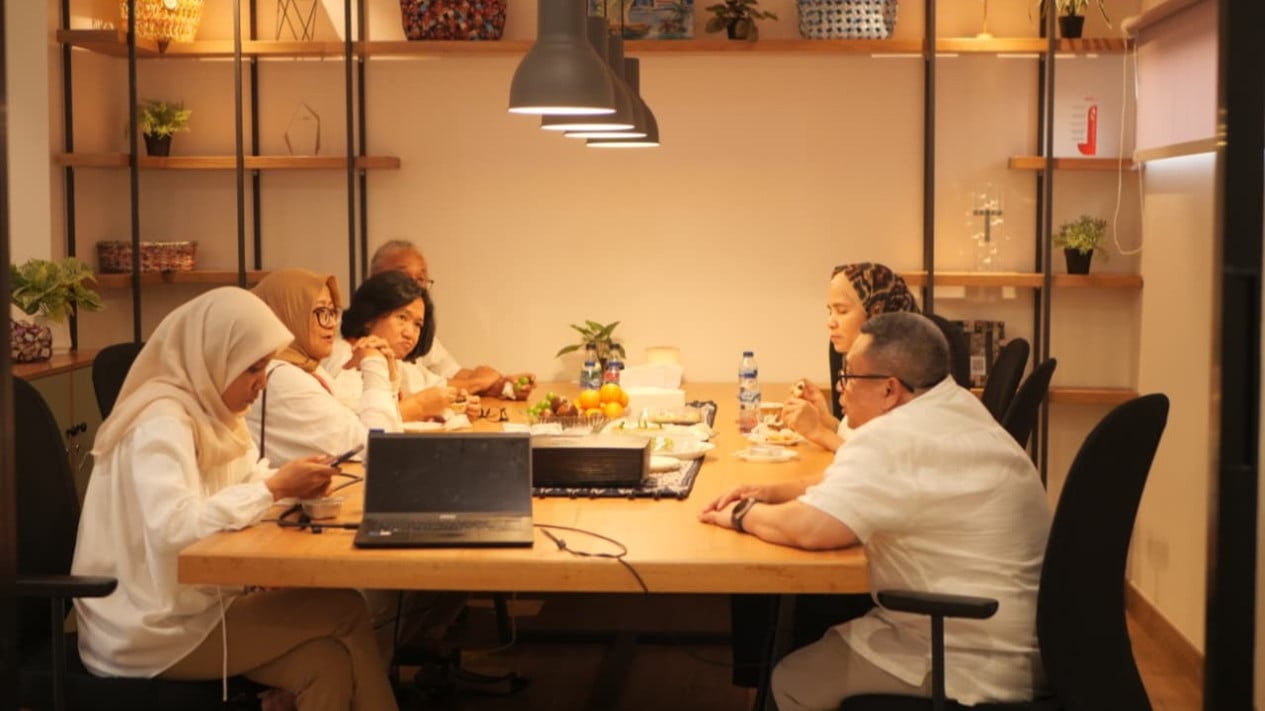
Efforts to provide a safe and supportive learning environment for children’s growth and development continue to be a priority for various parties. One such effort is being undertaken by the Arsitek86 Peduli Foundation (ars86care), which is introducing a new programme to expand child-friendly school development in several rural areas of Indonesia.
This initiative was introduced in conjunction with the foundation’s 21st anniversary, marking its long-standing commitment to education, children, and community development. Through a programme named SAPA RUANG, or Space for Safe and Positive Growth, ars8t6care aims to integrate various previously separate activities into a more unified movement.
The Chairman of the Advisory Board of ars86care, Helman Sitohang, stated that the environment in which a child grows plays a vital role in supporting their learning process and development.
“For over two decades, ars86care has believed that every child has the right to grow, develop, and learn in an environment that is not only safe but also nurturing and inspiring,” Helman said in an official statement.
According to him, the approach focuses not only on the physical construction of schools but also encompasses strengthening the quality of education and environmental awareness within the community.
The programme is built upon the foundation’s years of experience supporting communities in various regions. Since 2012, ars86care has been involved in the construction and renovation of more than 40 kindergartens and early childhood education centres (PAUD) across several areas in Central Java and the Special Region of Yogyakarta.
The schools being developed prioritise child-friendly concepts, ranging from building safety and adequate sanitation to green open spaces and play areas that support learning activities.
In addition to constructing educational facilities, the foundation also conducts various mentoring programmes for teachers, parents, and the local community. This step is taken to ensure that the created educational environment can provide sustainable support for children.
One of the long-standing programmes involves providing mini libraries and high-quality reading books in village schools. This programme aims to increase children’s interest in reading from an early age, particularly in areas with limited access to reading materials.