
Thousands of Plecostomus Fish Corpses Floating, Jakarta's Rivers Stink of Fish
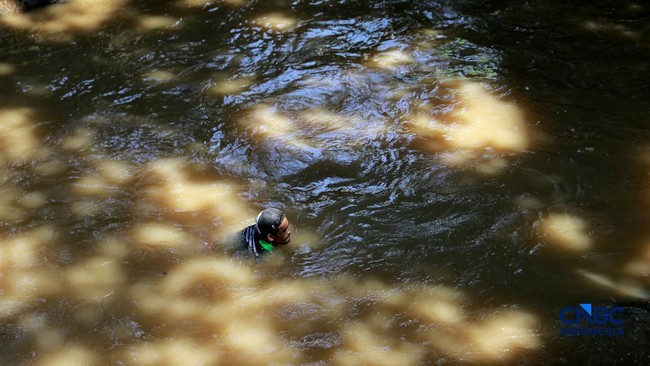
Thousands of plecostomus fish corpses have been floating, causing Jakarta’s rivers to reek of fish. The presence of plecostomus fish in Jakarta is not a recent phenomenon. A search of newspaper archives by CNBC Indonesia shows that this species originating from Brazilian waters has been part of the capital’s river problems for decades, in significant numbers. One of the earliest traces appears in the Media Indonesia daily edition of 17 September 1991. At that time, plecostomus fish were reported to already inhabit the Krukut River in large numbers, even reaching thousands of individuals. However, what was more shocking was not just their presence, but the mass deaths that occurred for nearly a week. “Residents along the Krukut River were disturbed by the fishy and rotten smell of thousands of plecostomus fish corpses until Monday,” wrote Media Indonesia (17 September 1991). This event at the time raised major questions. Plecostomus fish are known as a species capable of surviving in extreme water conditions, even in waters with low oxygen levels. This means that mass deaths are not ordinary occurrences. Instead, they serve as a strong indicator that the level of water pollution at that time had reached a dangerous level. In addition to the Krukut River, the Malang River, which stretches from Manggarai to Jl. Latuharhari in South Jakarta, also has plecostomus fish. On 18 September 1991, Media Indonesia was reporting on the nightlife phenomenon in that area. When discussing sanitation, there was a clue about the importance of these fish. “[…] what can be seen from the toilet facilities is only a room equipped with a 40-degree Celsius slanted corrugated iron sheet. Human faeces are slid down that sheet into the river filled with plecostomus fish,” wrote Media Indonesia (18 September 1991). This means that since the early 1990s, these fish have thrived in waters directly exposed to domestic waste. The next trace leads to the Ciliwung River, which is the lifeline of Jakarta’s water. This river, originating from Bogor, has long been known to be polluted. The Kompas daily (5 June 1979), for example, had already harshly labelled this river as “Jakarta’s rubbish bin” due to the high load of waste flowing and settling in it. So, are there plecostomus fish there? On 20 March 1996, the Berita Yudha newspaper reported thousands of plecostomus fish dying in various large and small rivers in Jakarta, including the Ciliwung. The death of these “armoured” animals raised questions from many parties. Because the creatures known for their resilience ended up dying, indicating high pesticide content in the waters. Even more worrying, during the same period, communities were recorded in documentation as beginning to consume these fish. The Berita Yudha daily (3 April 1996) noted an official warning from the DKI Jakarta Government through the Urban and Environmental Assessment Management Office advising residents not to consume plecostomus fish. “In the gills, stomachs, and flesh of the fish, the banned Aldrin pesticide was found,” wrote Berita Yudha (3 April 1996). When pieced together, these archive fragments form a consistent pattern. Plecostomus fish are not merely an invasive species that suddenly appeared, but have long thrived amid a polluted river ecosystem. This series of records shows that plecostomus fish have been present en masse and their population has exploded to thousands since more than 30 years ago. In fact, there is strong suspicion that these fish were present even earlier. However, since no source has been found to confirm this, the suspicion remains unproven to this day.
Source: jawawa.id (https://jawawa.id/newsitem/thousands-of-plecostomus-fish-corpses-floating-jakartas-rivers-stink-of-fish-1777045935)
Originally published by CNBC Indonesia (https://www.cnbcindonesia.com/tech/20260424105235-37-729528/ribuan-bangkai-ikan-sapu-sapu-mengambang-kali-di-jakarta-bau-amis), translated from Indonesian