
Thousands of Indonesians Still Stranded in Cambodia, Foreign Ministry Warns of Rising Scam Centres
The Ministry of Foreign Affairs has revealed that the number of Indonesian citizens caught up in online scam cases abroad continues to rise throughout 2026. As of June, the number of cases handled has nearly doubled compared to the total for the entirety of 2025.
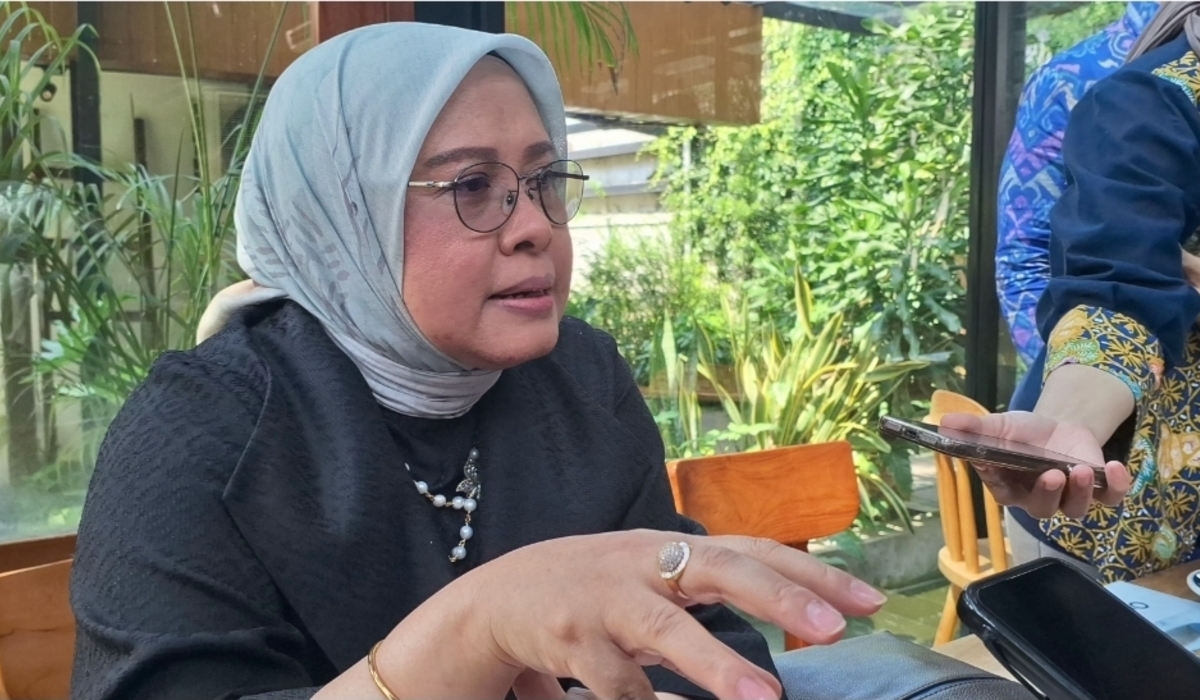
Director of Protection for Indonesian Citizens Heni Hamidah stated that the increase has also caused a surge in the number of Indonesians currently held in immigration detention centres in Cambodia. “This number is already double that of the previous year, which was around 5,088 citizens. Now, just halfway through the year, it has reached 11,986. This is certainly due to the existence of scam centres worldwide,” Heni said during a press conference in Jakarta on Wednesday.
According to Heni, as of June 2026, there are 1,840 Indonesian citizens in immigration detention centres in Phnom Penh, Cambodia. Around 200 citizens are in one detention centre in Pochentong, 592 in another centre in the same area, 948 are placed in Battambang Detention Centre, and approximately 100 others are in other detention locations. In addition to those in detention centres, a number of Indonesian citizens are also being accommodated at the Indonesian Embassy shelter in Phnom Penh while awaiting repatriation to Indonesia. “They are currently in the process of being repatriated, particularly regarding the issuance of Travel Documents in Lieu of Passports,” she noted.
The Ministry of Foreign Affairs continues to coordinate with the Cambodian government to accelerate the repatriation process for these citizens. One of the steps being taken is negotiating so that the citizens are no longer burdened with administrative costs before being sent back to Indonesia. “We are also negotiating with Cambodia so that they do not need to pay immigration fines,” she continued.
The Ministry is also urging citizens who wish to return to Indonesia to seek independent repatriation. According to the Ministry, this scheme is being encouraged to speed up the return process amidst the increasing number of citizens caught up in scam centre cases abroad. “We are also conveying this to encourage the citizens to return independently, at their own expense,” she explained.
Heni acknowledged that cases of Indonesian citizens involved in scam centre networks remain the biggest challenge in efforts to protect Indonesian nationals abroad. “Currently, the majority of cases involve citizens who are involved in scam centres,” she concluded. The government has reiterated a warning to the public to be cautious of overseas job offers that do not follow official procedures. According to the Ministry, most victims of human trafficking and scam centre networks depart through non-procedural routes, making them more vulnerable to exploitation and complicating protection efforts when they face problems in the destination country.