
Thousand Islands Regency steps up waste sorting from source to disposal
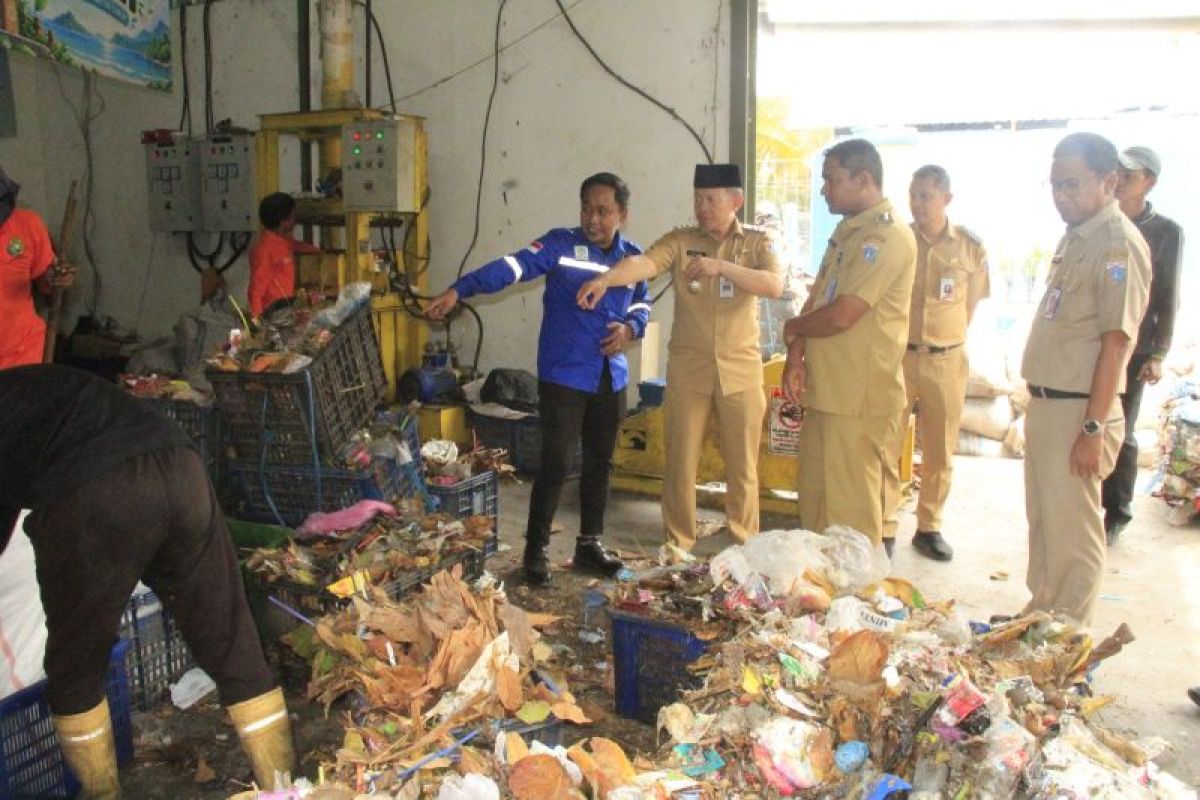
Jakarta (ANTARA) – The Thousand Islands Regency administration is stepping up its Source-to-Disposal Waste Sorting Movement among island communities in Jakarta by providing education and training, as part of efforts to achieve zero waste.
“We envision Thousand Islands Regency becoming a model area, starting with Pramuka Island as a prototype zero-waste island,” Regent Muhammad Fadjar Churniawan said at an education and training event for the movement on Pramuka Island, Jakarta, on Tuesday.
He said the waste-sorting campaign must be put into practice through concrete action by all groups, rather than remaining a ceremonial slogan.
“I do not want this movement to be just a slogan without implementation. We must support one another. Waste management requires genuine collaboration, from households to collection points,” Fadjar said.
He also urged technical agencies to step up public education about the economic value of sorted non-organic waste, including plastic bottles and recyclable packaging.
“Do not just tell people to sort their waste; tell them what it can sell for, too. If they know it could provide additional income, residents will be more motivated. A clean environment can be achieved, along with economic benefits,” Fadjar said.
Meanwhile, Thousand Islands Environmental Agency head Achmad Hariadi stressed that continued sorting at source was crucial to the effectiveness of waste processing downstream.
To deepen participants’ understanding, he said, the agency had invited Anto, known as Bang Jos, from the Indonesia Menuju Hijau (IMH) community.
“Education and guidance for workers and the public are important to improving waste management at its source,” Achmad said.
The event also included a technical inspection of the Reduce, Reuse, Recycle (TPS 3R) waste-processing facilities on Panggang and Pramuka islands to ensure operations were being optimised on the ground.
Yuni, 46, one of the participants, said she hoped the programme would be extended consistently to households so that sorting waste before collection became a routine practice.
“We now understand that waste has economic value if it is sorted properly,” Yuni said.