
This Popular Fish in Indonesia Actually Absorbs Toxins from the Water
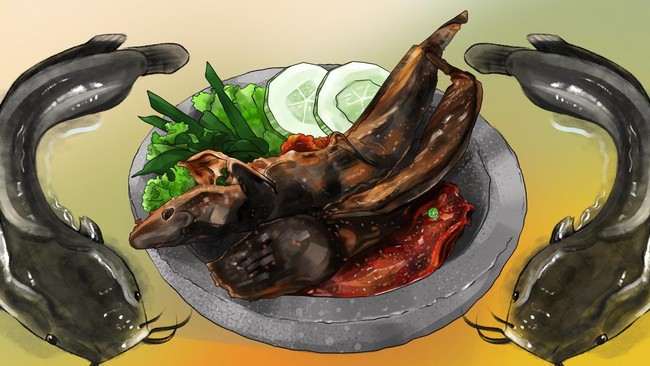
Catfish is one of the most popular food ingredients in Indonesia. Delicious, nutritious, and easy to prepare, catfish has a long history around the world.
There are more than 2,000 species of catfish, found on every continent except Antarctica. In Indonesia, catfish generally live in freshwater and are easy to cultivate at home.
Citing Seafood Watch, catfish has a healthy fat profile. It has low saturated fat content (about 1 gram per serving depending on the type) and is also a rich source of omega-3 fatty acids DHA and EPA (up to 300 milligrams per serving). This means that this fish also helps support heart health and brain function.
However, research shows that catfish (Clarias sp. and other catfish species) are able to accumulate various pollutants such as heavy metals and persistent organic pollutants through water absorption, contaminated food, and industrial waste, which can then accumulate in the fish’s tissues.
According to research published in Environmental Research, catfish can accumulate pollutants such as PCBs, pesticides, and heavy metals (mercury, lead, cadmium) from contaminated water and sediment.
Wild catfish from polluted rivers have a higher risk than catfish from cleaner waters.
A study in the Paraopeba River (Brazil) reported that heavy metals such as Hg, Cd, Cr, Pb, and Zn accumulated in the tissues of catfish. The content of heavy metals is often higher in internal organs, which indicates a potential health risk if consumed continuously.
To avoid unnecessary worry when consuming catfish, choose fish that are cultivated in clean and monitored ponds. This is because the health risks in catfish generally come from exposure to environmental pollutants, not from the fish itself.
(fsd/fsd)