
This Plant Grows Wild Across Indonesia and Can Be Turned into Fuel
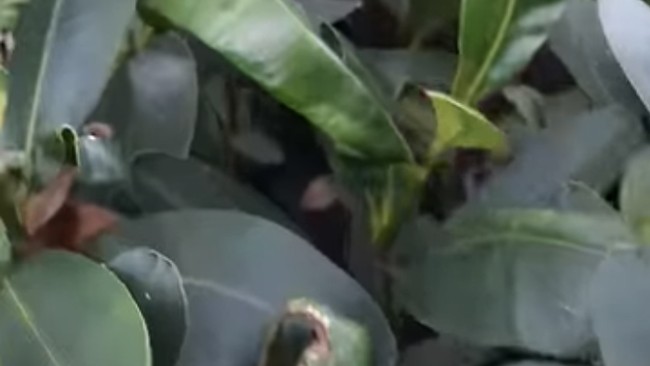
The nyamplung plant (Calophyllum inophyllum) is a biological resource with the potential to support the development of renewable energy while rehabilitating critical land in Indonesia. Research conducted by the National Research and Innovation Agency (BRIN) indicates that this plant, commonly found in coastal areas, shows promise as a raw material for sustainable biofuel that does not compete with food interests. Researcher Budi Leksono from BRIN’s Centre for Applied Botanical Research explained that nyamplung seeds have a high oil content, making them suitable for development into various types of biofuel. “Nyamplung oil can potentially be processed into biokerosene, biodiesel, and even bioavtur or Sustainable Aviation Fuel (SAF), which is currently a crucial need in the global energy transition agenda. The seeds can contain up to 60 to 70 percent oil. The plant’s relatively high productivity makes nyamplung a leading candidate for a forest-based energy crop,” he stated. Beyond its potential as an energy source, nyamplung has the advantage of being a native species widely distributed across Indonesia. The plant is capable of growing on marginal or critical land unsuitable for food crops. This characteristic opens up opportunities for the productive use of degraded land while supporting environmental restoration efforts. “The development of nyamplung is not solely oriented towards energy production; it can also be part of a strategy for land rehabilitation and increasing the economic value of an area. Furthermore, nyamplung can support the achievement of Net Zero Emission due to its high carbon absorption capacity,” he explained. BRIN is also developing an integrated utilisation approach for processing nyamplung. Beyond the seed oil used for biofuel, the solid residue, such as shells and seed cake, can be processed into value-added products including pellets, biochar, activated charcoal, and high-protein animal feed. Liquid residues from the biodiesel process, like resin and glycerol, can be used to make biopharmaceuticals and soap. This approach supports the implementation of a circular economy and waste reduction in the bioenergy production chain. The development of nyamplung is also seen as having socio-economic potential for communities, particularly in coastal areas and critical land regions. Community involvement in cultivation, fruit collection, and raw material processing can create new business opportunities while strengthening the domestic bioenergy supply chain. “Amidst the increasing global demand for low-emission energy, including in the aviation sector which is beginning to adopt sustainable fuels, Indonesia has the opportunity to optimise its local biological resources as part of efforts to achieve energy security and sustainable development,” Budi added.