
This Official Built His Fortune from Stall Rents at Pasar Senen and Tanah Abang
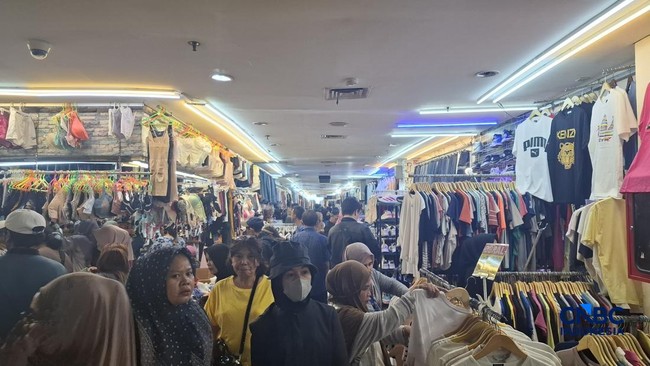
Pasar Senen and Pasar Tanah Abang have been important trading centres in Jakarta for many years. Yet few people know that the activity at these two historic markets helped one official amass a fortune through trade and stall rents.
That figure was Justinus Vinck, a member of the Council of the Indies during the VOC era, when the Dutch East India Company was active. In addition to his colonial post, Vinck was a landowner in Weltevreden, now part of Central Jakarta.
In 1735, Vinck sought to make his land more productive and earn additional income. After securing the Governor-General’s approval, he proposed establishing markets to the east and west of Weltevreden.
The two markets were initially known as Vinckpasser, or Vinck’s Market, after their founder. Over time, the eastern market became known as Pasar Senen, while the western one became Pasar Tanah Abang.
“Because the market was initially held only on Mondays, people called it Pasar Senen,” historian Purnawan Basundoro wrote in Pengantar Kajian Sejarah Ekonomi Perkotaan Indonesia (2023).
The name Tanah Abang, meanwhile, comes from Javanese and means ‘red earth’, referring to the colour of the soil in the area.
When they were first established, both markets were very simple. According to Abdul Chaer’s Tenabang Tempo Doeloe (2017), traders’ stalls had walls made of woven bamboo. The two markets nevertheless served different commercial purposes.
Pasar Senen sold everyday necessities such as food and vegetables, while Pasar Tanah Abang offered textiles and general goods.
Vinck earned income from this trade by collecting taxes and stall rents, mostly from Chinese traders. He usually appointed Chinese people to help collect money from traders.
Vinck also allowed his collectors to charge more than the stipulated amount, provided that they remitted the sum he had demanded.
His wealth was further supported by the construction of a road linking Tanah Abang and Senen, now known as Jalan Kramat Kwitang and Jalan Kebon Sirih in Central Jakarta.
Vinck did not own the area for the rest of his life. In 1749, he sold Weltevreden, including the two markets he had established, to Jacob Messel.
Pasar Senen and Pasar Tanah Abang continued to grow into major trading centres in Jakarta. The colonial government later upgraded Tanah Abang as it became a textile-trading hub with substantial financial turnover.
Source: jawawa.id (https://jawawa.id/newsitem/this-official-built-his-fortune-from-stall-rents-at-pasar-senen-and-tanah-abang-1792644702)
Originally published by CNBC Indonesia (https://www.cnbcindonesia.com/entrepreneur/20261022095234-25-778481/pejabat-ini-kaya-raya-dari-uang-sewa-lapak-pasar-senen-tanah-abang), translated from Indonesian