
This Neighbour of Indonesia Suffers Due to Iran War, Mobile Phone Signals Cannot Function
Bangladesh is now overshadowed by the threat of a nationwide shutdown of mobile phone networks and the internet if the fuel shortage crisis triggered by the war in the Middle East does not improve soon. Telecom operators warned on Monday (20/4/2026) that their operations are at a nadir due to the acute scarcity of crucial energy supplies.
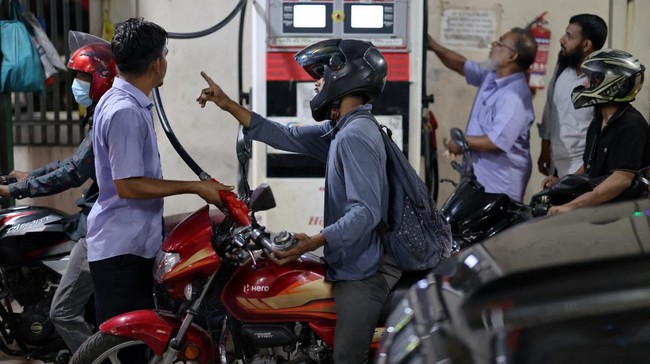
This South Asian nation with a population of 170 million imports 95% of its oil and gas needs, most of which come from the Middle East. The shortages have severely impacted the transportation and energy sectors, triggering queues at petrol stations lasting up to 12 hours.
The Bangladesh Association of Mobile Telecom Operators (AMTOB) stated that telecom operations can no longer be sustained without the fuel needed to power operations, including data centres. They have officially sent a warning letter to the Bangladesh Telecommunication Regulatory Commission (BTRC) regarding this emergency situation.
“The situation has escalated beyond operational control,” AMTOB wrote in its official letter to the BTRC.
The association emphasised that the risk of a large-scale telecom network blackout across much of the country is imminent. If this difficult situation persists without a swift solution, public connectivity is certain to be severed.
“If this situation continues, there is a real risk of a large-scale telecom network shutdown across much of the country,” the statement asserted.
AMTOB also revealed that the impact of this energy crisis is already being felt by mobile operators in the field. The disruptions stem from the lack of stable commercial electricity and the loss of guaranteed reserve fuel supplies.
“Mobile network operators (MNOs) are facing severe operational difficulties due to the prolonged unavailability of commercial electricity and the lack of guaranteed fuel supplies for backup systems,” AMTOB added.
Based on technical data, data centres require vast amounts of diesel to stay operational each day. Data centre facilities consume around 500 to 600 litres of diesel per hour, equating to nearly 4,000 litres per day for each facility—a volume that local petrol stations cannot currently meet.
“Some strategically vital telecom facilities are currently operating on dangerously low and hazardous fuel reserves,” the association disclosed.
AMTOB General Secretary Mohammad Zulfikar explained that shutting down data centres would create a damaging domino effect across the broader network. This would not only affect a single point but the entire national communication system.
“A partial or complete network shutdown could cause phone calls, internet, SMS, and all other services to cease or experience severe disruptions,” Mohammad Zulfikar told AFP.
Zulfikar also warned that the data traffic control located in data centres is the heart of internet connectivity. If that heart stops beating, internet speeds will plummet or die out entirely.
“The internet may become extremely slow or completely dead, as data centres are the command centres where data traffic is directed and controlled,” he clarified.
On the other hand, the Bangladesh government has raised fuel prices on Saturday, including a 15% increase in diesel prices from 100 taka to 115 taka (Rp 15,979) per litre. Meanwhile, petrol prices rose 16%, from 116 taka to 135 taka (Rp 18,758) per litre.
This drastic price hike has immediately sparked demands from bus and water transport owners for fare adjustments. Energy Minister Iqbal Hasan Mahmud justified the move as a consequence of the ongoing global crisis.
“The whole world has adjusted prices, even the United States,” Iqbal Hasan Mahmud told reporters on Sunday.
Although oil depots have been ordered to supply more fuel to petrol stations at the revised prices, the impact on the ground remains minimal. Motor vehicle users are still stuck in nearly stationary queues.
“I have been waiting for three hours and have only moved a few metres,” said Md Sagar, a 30-year-old motorcyclist.
Similar complaints came from another rider, Zakir Mia, who said he had to spend nearly the entire day just to fill his vehicle’s tank. He described the on-ground situation as extremely exhausting for civilians.
“People in the queues have to spend 10 to 12 hours at fuel stations,” Zakir Mia stated.