
This is the proposal from practitioners regarding illegal cigarette perpetrators
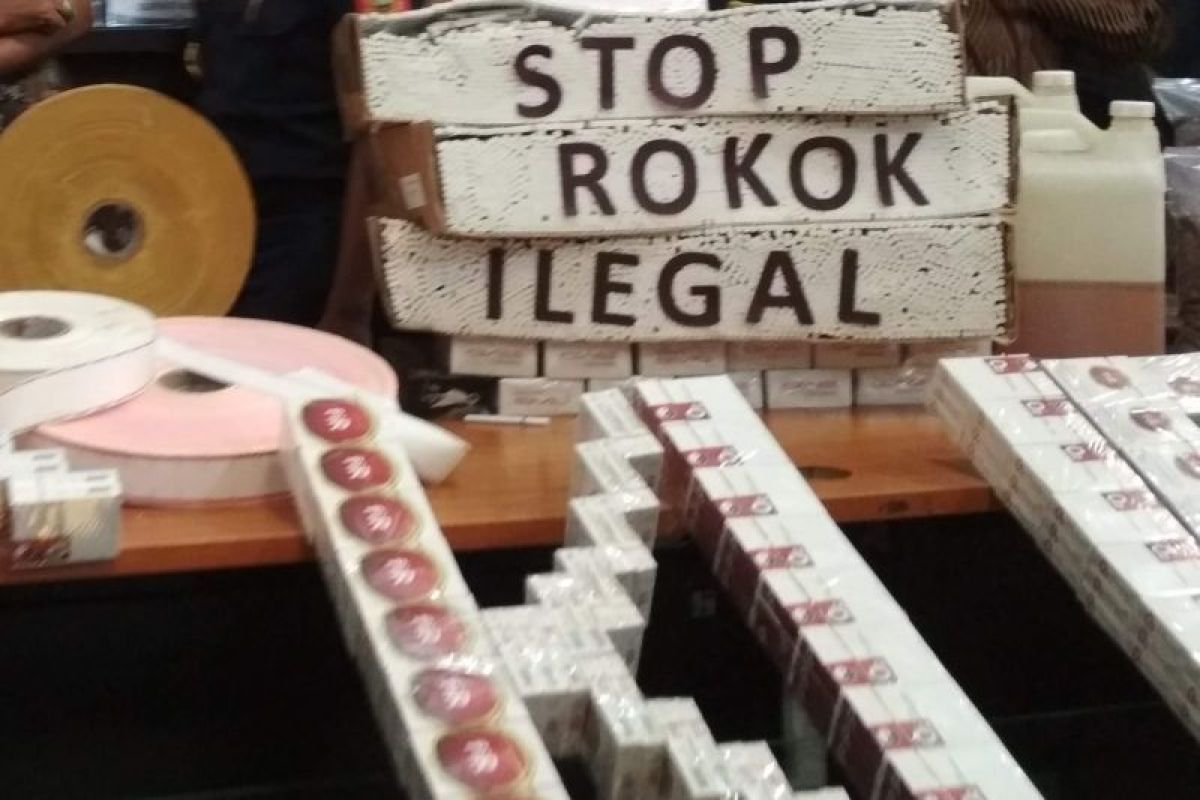
Jakarta (ANTARA) - Entrepreneurship practitioner Khalilur Abdullah Sahlawiy, or Gus Lilur as he is affectionately known, considers a comprehensive transformation for illegal cigarette perpetrators essential to bring them into the legal system. “The state must open up space for transformation. Illegal cigarette entrepreneurs must be directed into the legal pathway, not just penalised,” said Gus Lilur in an official statement in Jakarta on Tuesday. According to him, a punitive approach alone will not suffice to resolve the issue if not accompanied by a realistic transition pathway. He assesses that some illegal cigarette perpetrators actually possess production capacity and market access, but are hindered by high costs and the complexity of the licensing system. Therefore, said the owner and founder of Bandar Rokok Nusantara Global Group, better known as Barong Group, more adaptive excise policies must be followed by clear transformation programmes. So far, Gus Lilur opines that the government has begun to show positive steps in responding to various issues in the tobacco sector, particularly regarding illegal cigarettes, excise governance, and the future of the people’s cigarette industry. He believes this momentum must be maintained and translated into concrete policies that favour farmers and small business actors. He also expressed appreciation and thanks to Finance Minister Purbaya Yudhi Sadewa for the government’s plan to issue a “layer” excise scheme or new tiered tariff, as it is more adaptive to the conditions of the people’s cigarette industry. He stated that this policy serves as an important signal that the government is beginning to recognise the need for differentiated treatment between large industries and small-to-medium enterprises. To date, he said, many cigarette SMEs have struggled to enter the legal pathway due to an excise structure that is too burdensome and disproportionate to their business capacity. Thus, he continued, if this new tiered tariff is truly implemented, it could serve as an entry point for the birth of a healthy, legal, and strong people’s cigarette industry. Madura KEK Gus Lilur also emphasised that the entire tobacco industry restructuring process ultimately leads to the realisation of the Madura Tobacco Special Economic Zone (KEK). According to him, the KEK represents a long-term solution to build a more structured, legal tobacco industry ecosystem that favours farmers. He noted that the KEK will not only strengthen Madura’s economy but also serve as an instrument to increase state revenue, expand the legal industry, and strengthen the position of tobacco farmers in the industry chain. Therefore, he hopes that the central government can promptly realise these steps in a concrete and measurable manner, as the people’s tobacco industry requires policies that not only penalise but also build pathways out for small business actors and farmers. “This is an important momentum. The state must be present not only as a supervisor but also as a facilitator of people’s economic transformation,” he emphasised. Previously, Finance Minister Purbaya Yudhi Sadewa targeted the addition of a new tier in the tobacco products excise (CHT) or cigarette excise tariff structure, starting in May 2026. Purbaya claimed to have finalised the proposal for adding a new excise tier for cigarettes and will soon bring it to the DPR. In the proposal, Purbaya aims to draw illegal cigarette distributors into the legal system by paying a certain excise.