
This is the Difference Between Hantavirus on the MV Hondius Cruise Ship and in Indonesia
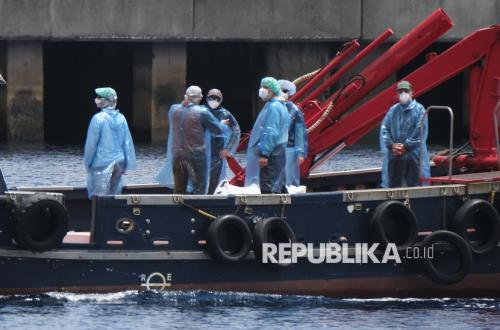
The Indonesian Ministry of Health has confirmed that as of Monday (11/5/2026), no cases of Hantavirus Pulmonary Syndrome (HPS) with the Andes strain have been detected in Indonesia. The HPS case with the Andes strain has drawn international attention after being reported on the MV Hondius cruise ship in the Atlantic Ocean.
The confirmed cases in Indonesia are of the Haemorrhagic Fever with Renal Syndrome (HFRS) type with the Seoul Virus strain. The Ministry of Health records that from 2024 to 2026, there were 23 confirmed positive hantavirus cases of the HFRS type with the Seoul Virus strain.
Medically, hantavirus infection can trigger two main syndromes, namely HPS and HFRS. For more details on the differences between HPS and HFRS, here is the explanation:
- Hantavirus Pulmonary Syndrome (HPS)
Referring to the US Centers for Disease Control and Prevention (CDC) website, HPS syndrome is usually found in the Western Hemisphere, including the United States. The most common hantavirus causing HPS in the United States is spread by deer mice.
HPS is generally not transmissible between humans, except for that caused by the Andes strain as occurred on the MV Hondius cruise ship. Transmission can occur through close and prolonged contact, prolonged respiratory droplets, and in rare cases through exposure to body fluids or wounds.
HPS is a serious and potentially fatal disease that attacks the lungs. HPS symptoms usually begin to appear 1 to 8 weeks after contact with infected rodents.
Initial HPS symptoms include fatigue, fever, and muscle aches, especially in large muscle groups such as the thighs, hips, back, and sometimes shoulders. About half of all HPS patients also experience headaches, dizziness, chills, and abdominal disturbances such as nausea, vomiting, diarrhoea, and abdominal pain.
Four to ten days after the initial phase of the disease, advanced symptoms appear, including cough and shortness of breath. Patients may feel chest tightness because the lungs are filled with fluid.
HPS can be fatal. Approximately 38 percent of patients experiencing respiratory distress symptoms can die from this disease.