
This is the Cost to Eliminate All Level Crossings in Indonesia
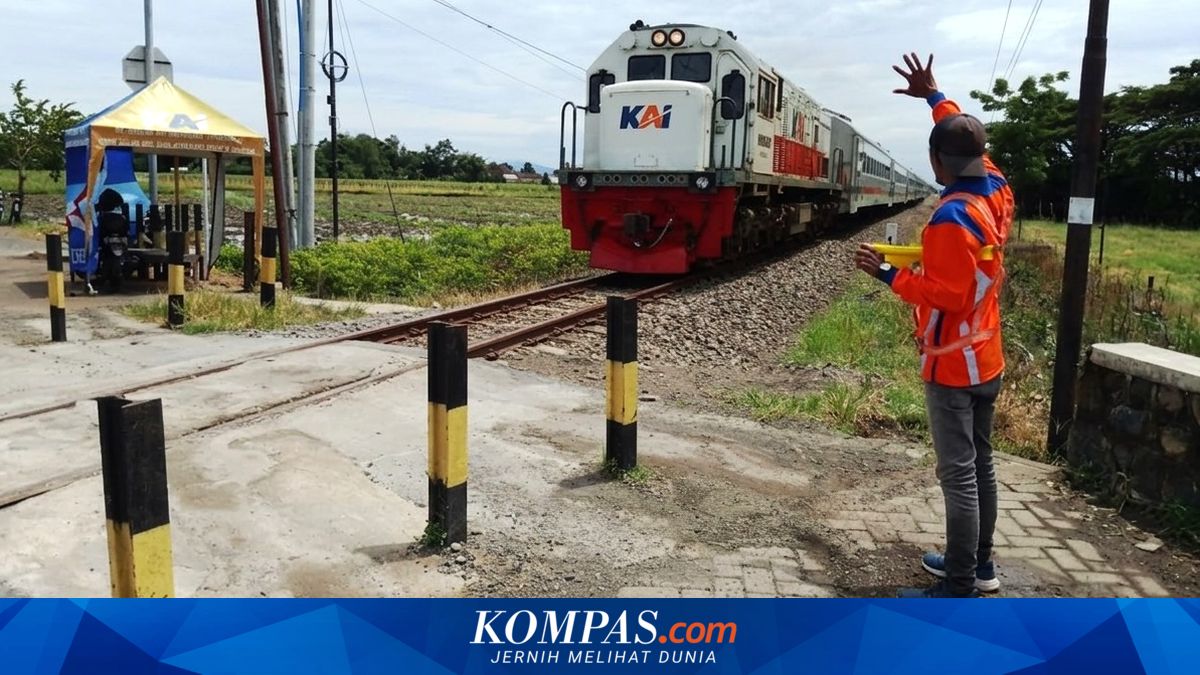
Level crossings between roads and railway tracks frequently become accident-prone points in various regions. A level crossing is an intersection point between a railway track and a road, footpath, or runway located on the same ground level. Most recently, a stalled electric taxi at a level crossing near Bekasi Timur Station in Bekasi, West Java, triggered a fatal accident. The accident began when the electric taxi broke down at the level crossing. The vehicle, positioned across the tracks, was then hit by a commuter train (KRL) travelling from Cikarang towards Jakarta. As a result of this initial collision, an oncoming KRL heading from Jakarta to Cikarang was forced to stop at Bekasi Timur Station. The high number of accidents involving trains and vehicles has brought back discussions on significantly reducing or even eliminating all level crossings. Level crossings can be eliminated by building flyovers or underpasses as alternatives to reduce accident potential. Citing Antara, the Directorate General of Highway Development under the Ministry of Public Works (PU) records a total of around 3,000 to 4,000 level crossings, both in Java and Sumatra. Of that number, 199 level crossing points intersect with major roads classified as national roads. The Ministry of PU states that approximately Rp300 trillion is needed to address the railway level crossing issue. The total budget for each flyover or underpass is estimated at Rp150 billion for construction outside national road routes. Accidents at railway and road level crossings (JPL) continue to occur to this day. Locomotives from PT KAI could gradually be depleted as a result, which would certainly disrupt train services to the public. Executive Director of the Institute for Transportation Studies (Instran) Deddy Herlambang said that such problems might still occur again because the legal basis remains ambiguous.