
This is How Much Indonesian Debt Collectors Earn for Each Repossessed Overdue Credit Car
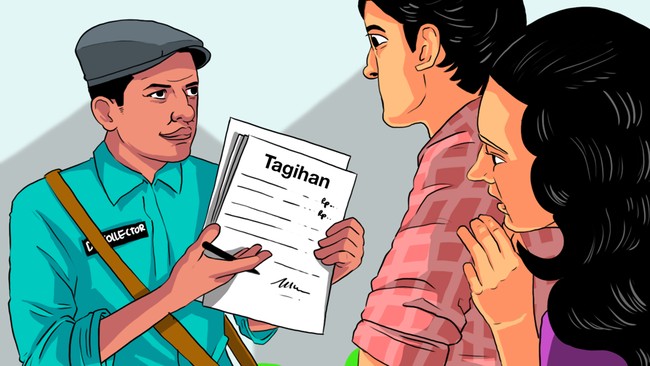
Debt collectors, known for instilling fear in customers with overdue credit payments, visit those who fail to pay after the deadline. Often negatively perceived, especially when collections violate regulations, these professionals can actually earn substantial incomes. Budi Baonk, a practitioner in Asset Recovery Management at an Indonesian vehicle leasing company, explained that payments for debt collectors in vehicle credit delinquency cases are determined by agreements with the leasing company. The commission or fee for repossessing leased assets is agreed upon when the power of attorney is issued from the Leasing Company to the External Collection Services Company. The range of payments, according to Budi Baonk, is typically between Rp5 million and Rp20 million. “The range of prices (debt collector fees) is the smallest Rp5 million to Rp20 million,” Budi revealed to CNBC Indonesia in 2023. The amount of the debt collector’s fee, according to Budi, depends on the type of vehicle secured. For example, a newer model car will cost more than an older production car. Prices can also vary depending on the debt collector business entity itself. Usually, the determination is set based on the company’s track record variables. As information, the debt collector profession is permitted under POJK 22 of 2023 for financial services institutions. However, Article 62 of the regulation stipulates that financial services institutions must ensure that collections from consumers are carried out in accordance with societal norms and applicable legal provisions. Thus, financial services institutions must ensure that collections are conducted without threats and actions that humiliate consumers. Collections must not intimidate and must not be carried out continuously. The regulation also states that collections are to be conducted at the collection address or consumer’s domicile on Mondays to Saturdays, excluding national holidays, from 08:00 to 20:00 local time. Debt collectors are allowed to conduct collections outside the specified place and time, but only with the consumer’s prior consent. OJK reminds consumers not only to demand consumer protection rights but also to be responsible in making payments. If consumers cannot pay, OJK suggests that consumers actively request restructuring from the financial institution. However, the final decision on restructuring is the right of the financial company. OJK also emphasises that it will not protect naughty consumers who act in bad faith in credit payments. “OJK will not protect naughty consumers,” stressed Deputy Commissioner for Supervision of Financial Services Business Actors’ Behaviour and Consumer Protection Sarjito.