
This is How Bamboo is Ensured to be Strong for the Sea-Spanning Toll Road
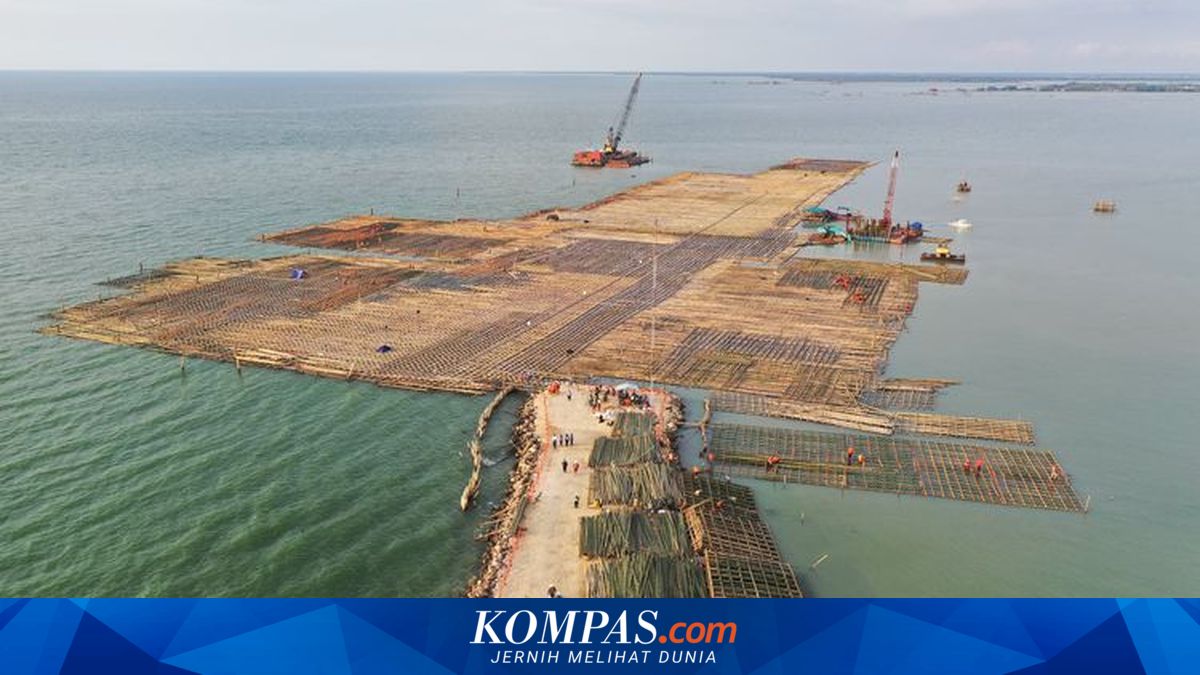
The construction of the Semarang-Demak Toll Road is being expedited by the Directorate General of Highway Development under the Ministry of Public Works. This 26.95-kilometre project is divided into two sections: Section I from Kaligawe to Sayung, spanning 10.64 km, and Section II from Sayung to Demak, spanning 16.31 km. Specifically, Section II, which is on land, has been operational since 25 February 2023. Not only as a transportation infrastructure, this toll road is also designed to function as a sea dyke to address tidal flooding in the northern coastal area of Central Java. In its construction, the government relies on technology that is relatively new in Indonesia, namely the use of bamboo matras combined with bamboo piles and Prefabricated Vertical Drain (PVD). According to the official website of the Directorate General of Highway Development of the Ministry of Public Works, as of Wednesday (15/4/2026), the use of bamboo matras is being applied for the first time in toll road construction in Indonesia. To ensure its strength and safety, the bamboo material has undergone a series of technical tests by the Building Materials and Structures Research Centre under the Directorate General of Human Settlements. There are two main types of tests conducted, namely tensile testing and flexural testing. Both tests aim to ensure that the bamboo matras can enhance the bearing capacity of the foundation soil at the construction site, which is dominated by soft soil. The tensile and flexural tests are carried out to guarantee the reliability of the bamboo matras to be used in the construction. In addition to testing, the construction stability is also reinforced through the combination of matras and bamboo piles. This method is used to maintain the stability of the embankment on soft soil so that it does not experience excessive settlement. Not only that, the bamboo matras also provides buoyancy, while the bamboo piles increase the adhesion or friction bearing capacity on the soil. In its implementation, this project has used around 10 million bamboo stalks sourced from various areas around the project location. The use of this local material is also considered to have a positive impact on the local community’s economy. From an efficiency perspective, this method is also deemed superior. Moreover, the use of bamboo matras and piles can reduce construction costs by 30-40% compared to other methods such as vibro stone column and deep soil mixing. Meanwhile, Prefabricated Vertical Drain (PVD) technology is used to accelerate the consolidation of soft soil. This method works by draining water from within the soil to the surface through PVD material installed using hydraulic heavy equipment.